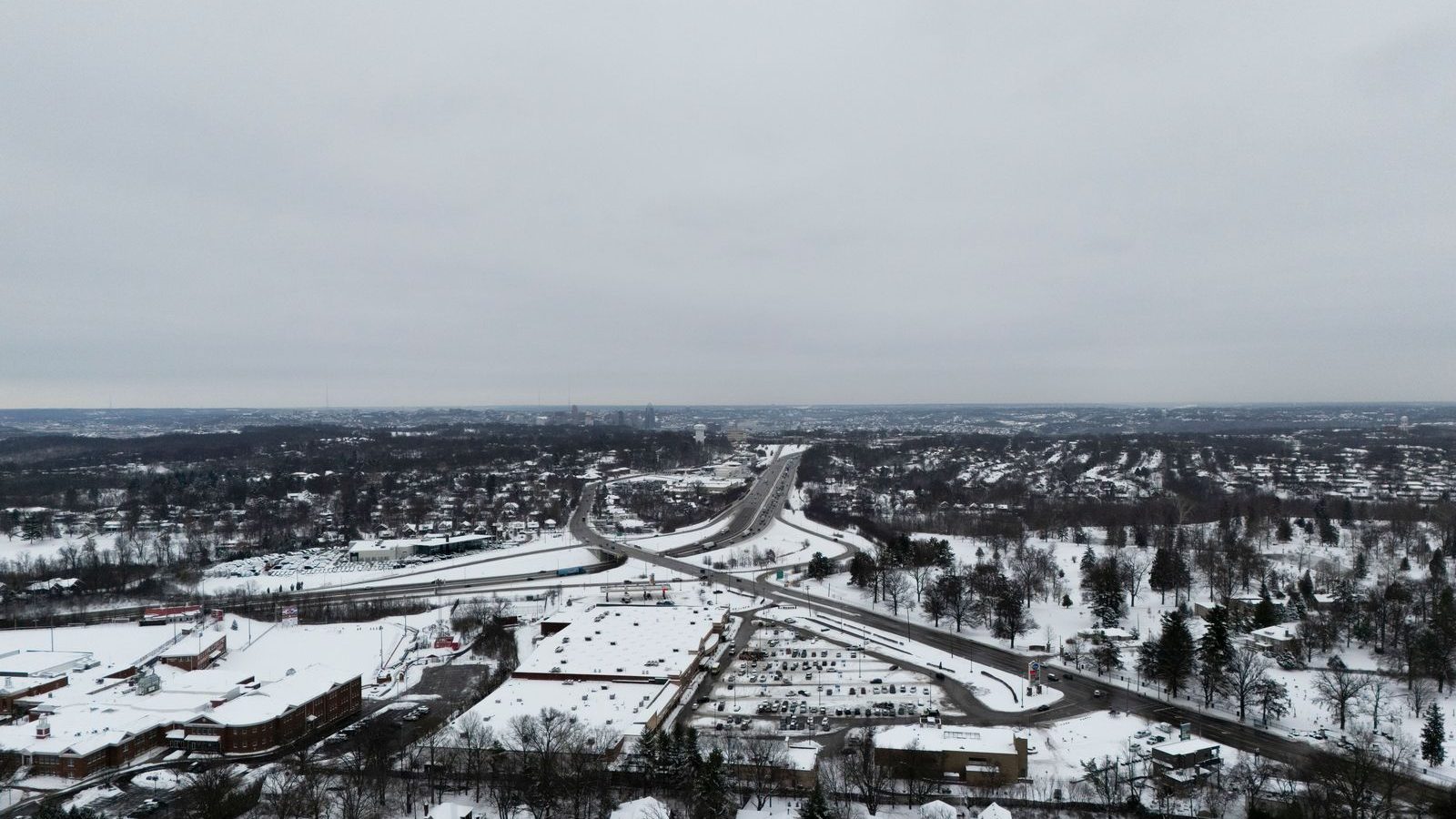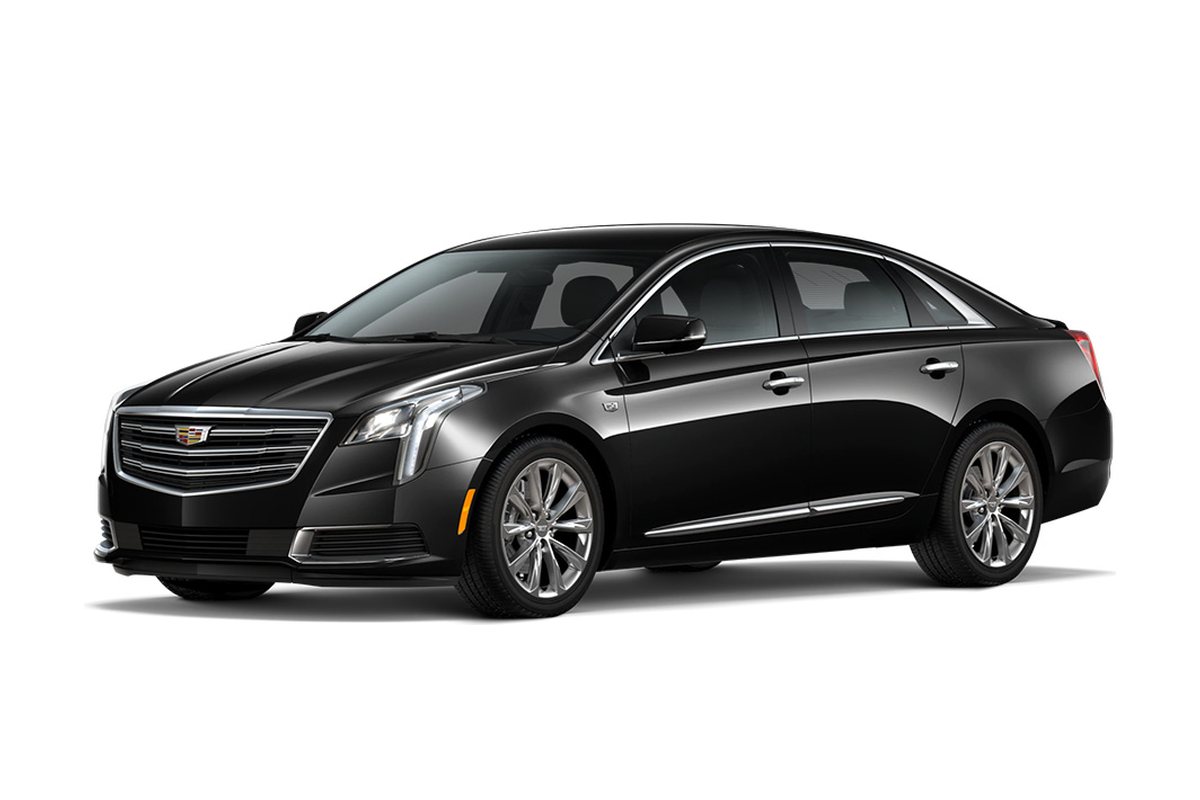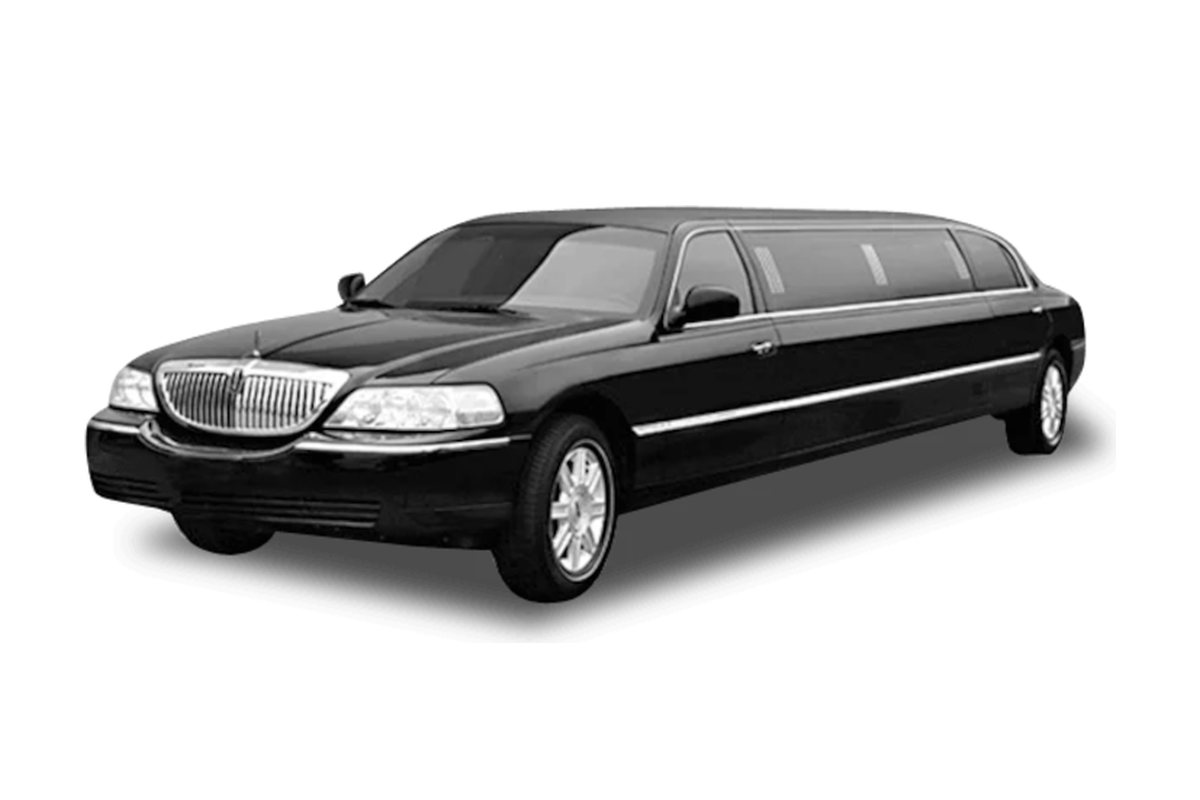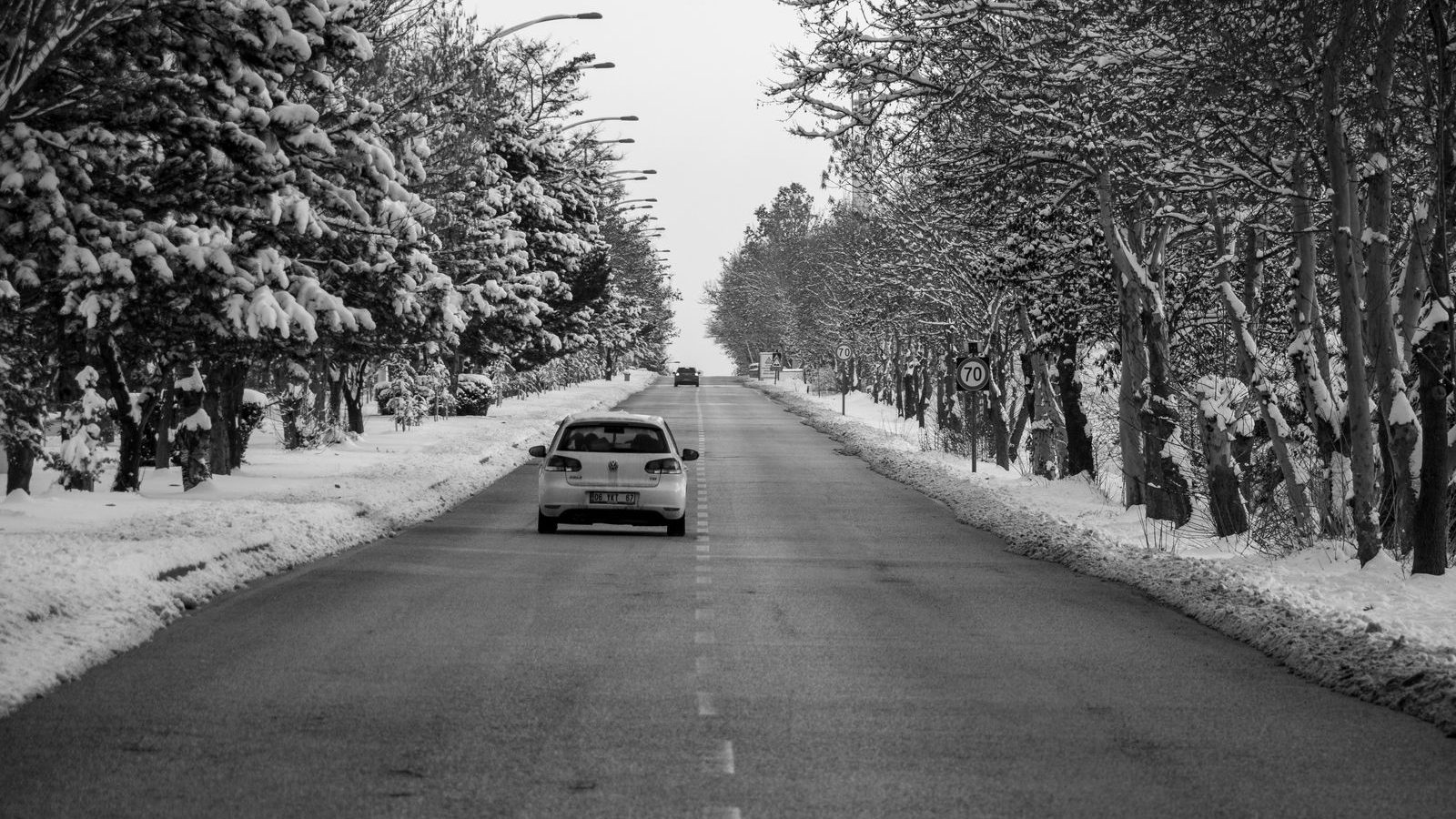

Highway 400 is Barrie's lifeline to Toronto, about 97 km to Pearson in 60–85 minutes in normal conditions, but lake-effect squalls from Georgian Bay can slow or close it between November and March with little warning. Check Ontario 511 before you leave, add margin for snow, and consider a chauffeur: BarrieLimo.net plans winter airport runs at $380–440 for a business sedan, tolls included.
Highway 400 winter travel: what to know before you leave Barrie
Book a winter-ready chauffeur for a fixed fare, or read on. Barrie sits on Kempenfelt Bay, the western arm of Lake Simcoe, in Ontario's snowbelt. Highway 400 is the spine of the region. It connects the city to the 401 and the airport, to Highway 11 for Orillia and Muskoka, and on to Port Severn and Parry Sound. When it moves, the trip to Toronto is straightforward. When it does not, nothing else in the region works as well.
This guide is the practical companion to our Barrie to Pearson route page. It covers where to check conditions, what a closure means for a booked car, how much margin to add and how an hourly chauffeur can take the stress out of a winter day. If you already know you want a driver, book direct and see the fixed fare.
Highway 400 road conditions: where to check
The best single source is Ontario 511, the province's traveller information service. It lists construction, collisions and road closures, offers images from over 900 cameras, and a free mobile app with a map view and a drive mode with hands-free audio alerts. It also covers snow plow tracking, weather forecasts and traffic speeds. Look at the cameras on the stretch you are about to drive, not just the map.
For the weather behind the road, use Environment Canada, which issues snow squall warnings and other alerts. The Government of Ontario's winter driving page tells you to check the forecast and 511 before you travel. Our dispatchers look at the same sources before we release a car, and a chauffeur adjusts the departure time accordingly.
Highway 400 traffic: the rhythm of a normal week
Even without snow, 400 has patterns. On weekdays the commuter flow runs south in the morning and north in the evening, and the stretch between Barrie and the 401 slows with it. From Victoria Day to Thanksgiving, cottage-country traffic clogs the 400 and Highway 11 northbound on Friday afternoons and southbound on Sunday afternoons, worst on long weekends. In winter, weekend ski and getaway traffic can add to that pattern.
The practical rule: the published 60–85 minute window to Pearson is the range between a quiet run and a heavy one, and for a flight we plan at the slow end. The Barrie to Pearson page has timing advice by hour, and the cottage country car service page covers the northbound weekend runs.
Highway 400 closure: what it means and what we do
Closures happen for collisions, for vehicles stuck in squalls and for weather clearing. A closed section can back up traffic for a long way, and detours on county roads are often slower and worse in snow. The 400 interchanges at Mapleview Drive, Essa Road, Dunlop Street, Bayfield Street and Duckworth Street give some options inside Barrie, but beyond the city the alternatives are limited.
If a closure threatens a booked trip, our dispatch desk, staffed every hour of the year, tracks it, re-plans the route and tells the chauffeur and you. Flights are tracked, so a delayed aircraft changes the pickup. We cannot reopen a road, but we can leave earlier, choose a different approach and keep you informed.
Why Barrie gets lake-effect squalls
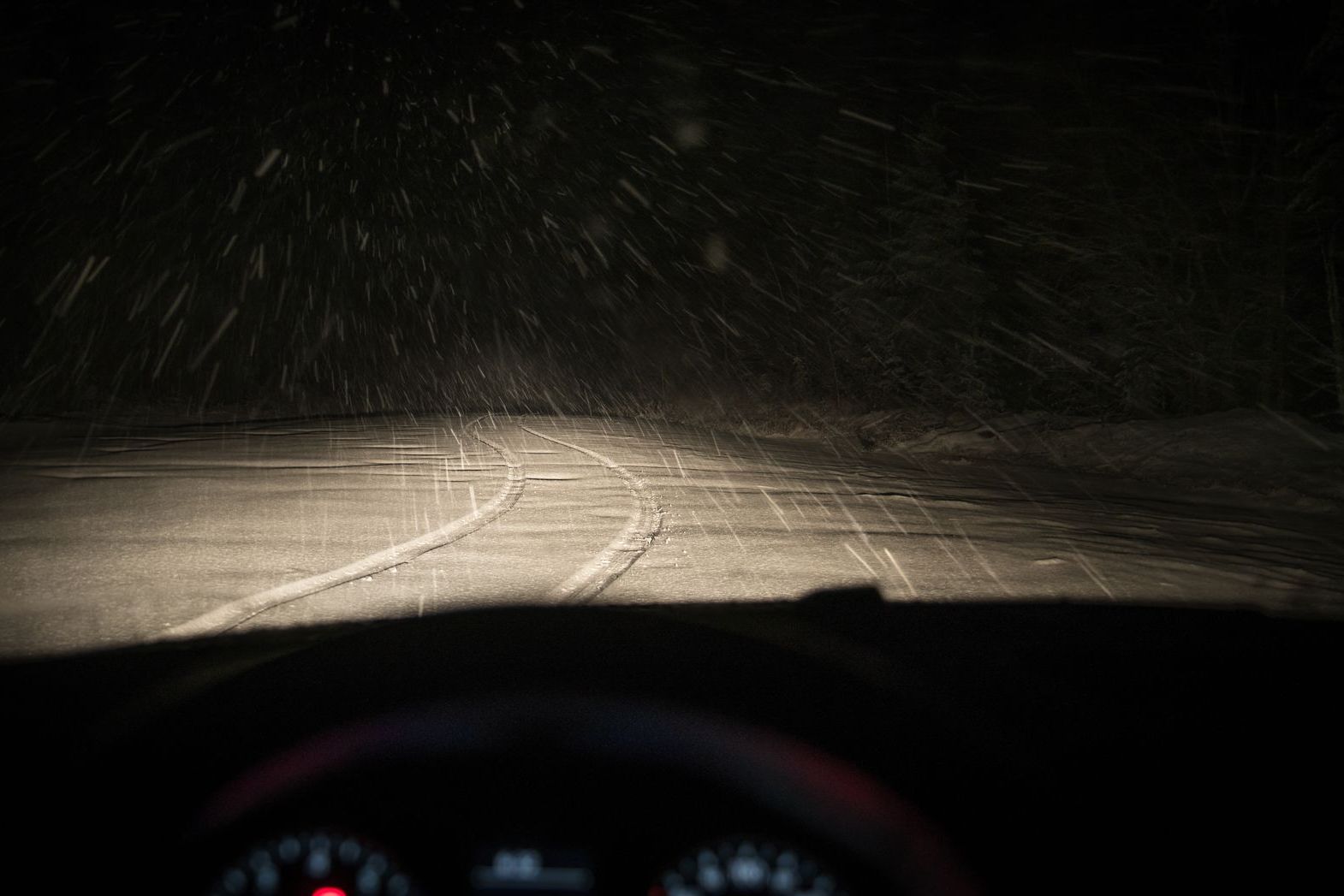
Cold air moving across the open water of Georgian Bay picks up moisture and drops it as snow on the land downwind. That is why the snowbelt exists, and why conditions can differ sharply across a few kilometres: clear in Barrie, whiteout at the next exit. Squalls can close or slow Highway 400 between Barrie and Highway 89 with little warning from November to March.
This makes a fixed departure time unreliable in winter. A chauffeur who has watched the radar and the cameras may leave 30 minutes sooner than the schedule says, and that single decision often decides whether you make your flight.
Snow squall warnings: what to do when one is issued
Environment Canada issues snow squall warnings when visibility is expected to fall sharply. Treat one as a reason to delay a non-essential trip: a squall often passes within hours, and an hour's wait at home is cheaper than a collision. If you must go, leave on a full tank or a full charge, tell someone your route and slow down early.
For a booked car, tell dispatch if a warning appears. We will decide with you whether to depart early, wait or re-time. Our standard cancellation schedule applies as published, and it is better to talk to us early than to find out at the door.
How much margin to add: our planning guide for the Pearson run
These are the planning rules our dispatchers use, not guarantees. The normal range for Barrie to Pearson is 60–85 minutes over about 97 km.
| Conditions | How we plan the run |
|---|---|
| Dry, quiet midday | Plan on the slow end, 85 minutes, and arrive early |
| Weekday commuter peaks | Leave ahead of the peak or expect the slow end |
| Friday afternoon or Sunday evening cottage traffic | Add margin; the 400 and the 401 both slow |
| Light snow, roads wet | Leave earlier than a dry-day plan |
| Steady snowfall | Add significant time and watch the cameras |
| Squall warning, closure or whiteout | Re-plan with dispatch; leave early or delay |
For a 6 a.m. flight, the best plan in winter is often to leave before the weather peaks rather than to chase the schedule. See the airport limo service for how early pickups work.
Winter tires in Ontario: what the law says and what we run
Winter tires are not legally required in Ontario. The provincial winter driving advice nonetheless recommends them: it says they improve traction and shorten braking distances by as much as 25 per cent, and that you should install four of them and never mix types. We follow the advice: our fleet is late-model sedans, SUVs and Sprinters, detailed before every trip, on winter tires from November to April.
If you drive yourself, fit four winter tires, keep them in good condition and check pressures when the temperature drops. All-season tires may be adequate in light snow, but they are not the same thing.
Winter driving tips if you are behind the wheel
Ontario's advice is blunt. Clear ice and snow from windows, lights, mirrors and the roof before you go. Slow down, because many winter collisions happen when drivers go too fast for the conditions, and avoid cruise control on slippery roads. Use your full lighting in poor visibility. Do not pass working snowplows: they reduce visibility, and clearing a road section typically takes 20 to 30 minutes.
Carry a winter survival kit: a charged phone, water, food, a flashlight, blankets, jumper cables, a shovel and traction mats. These are the government's recommendations, and they cost far less than a night at the side of the highway.
Pearson airport delays and your pickup
Winter weather delays flights as well as roads. If you are being collected from Pearson, our flight tracking follows your actual aircraft, so a delay moves the pickup rather than stranding the chauffeur. Included waiting runs from actual landing: 30 minutes on Canadian domestic and US flights and 60 minutes on other international arrivals, with 15-minute blocks after that.
Because the chauffeur is already assigned to your flight, you do not need to rebook or reconfirm when a gate changes. Tell us your terminal and the dispatcher will take care of it. See the Pearson airport page for the arrivals pickup.
Flying early in winter: leave earlier, or sleep nearby
If your flight is early and the forecast is poor, the safest option is not to cut the margin but to remove the drive from the morning. Some travellers book a Pearson airport hotel the night before and let a car deliver them in the afternoon, in daylight and before the weather turns. Others simply book an earlier pickup.
Either way, the principle holds: in the snowbelt, margin is cheaper than a missed flight. Our travel desk can arrange flights and hotels through BookingWorldwide.net alongside the car.
The 407 ETR, the 401 and the other roads
Most Barrie to Pearson runs use 400 to the 401 west and 427, or the tolled 407 ETR when it is faster. Tolls on the planned route are included in our fare, so the choice is the chauffeur's, not a cost decision for you. The chauffeur looks at the conditions on the day.
Other roads matter for other destinations. Highway 11 leaves the 400 just north of Barrie for Orillia, Gravenhurst, Bracebridge and Huntsville; Highway 26 runs to Wasaga Beach and Collingwood; Highway 90 serves Angus and CFB Borden; Highway 89 at Cookstown leads to Alliston; Highway 93 goes to Midland and Penetanguishene. Squalls hit these too, which is why the same margin logic applies.
Ski weekends and the Blue Mountain run
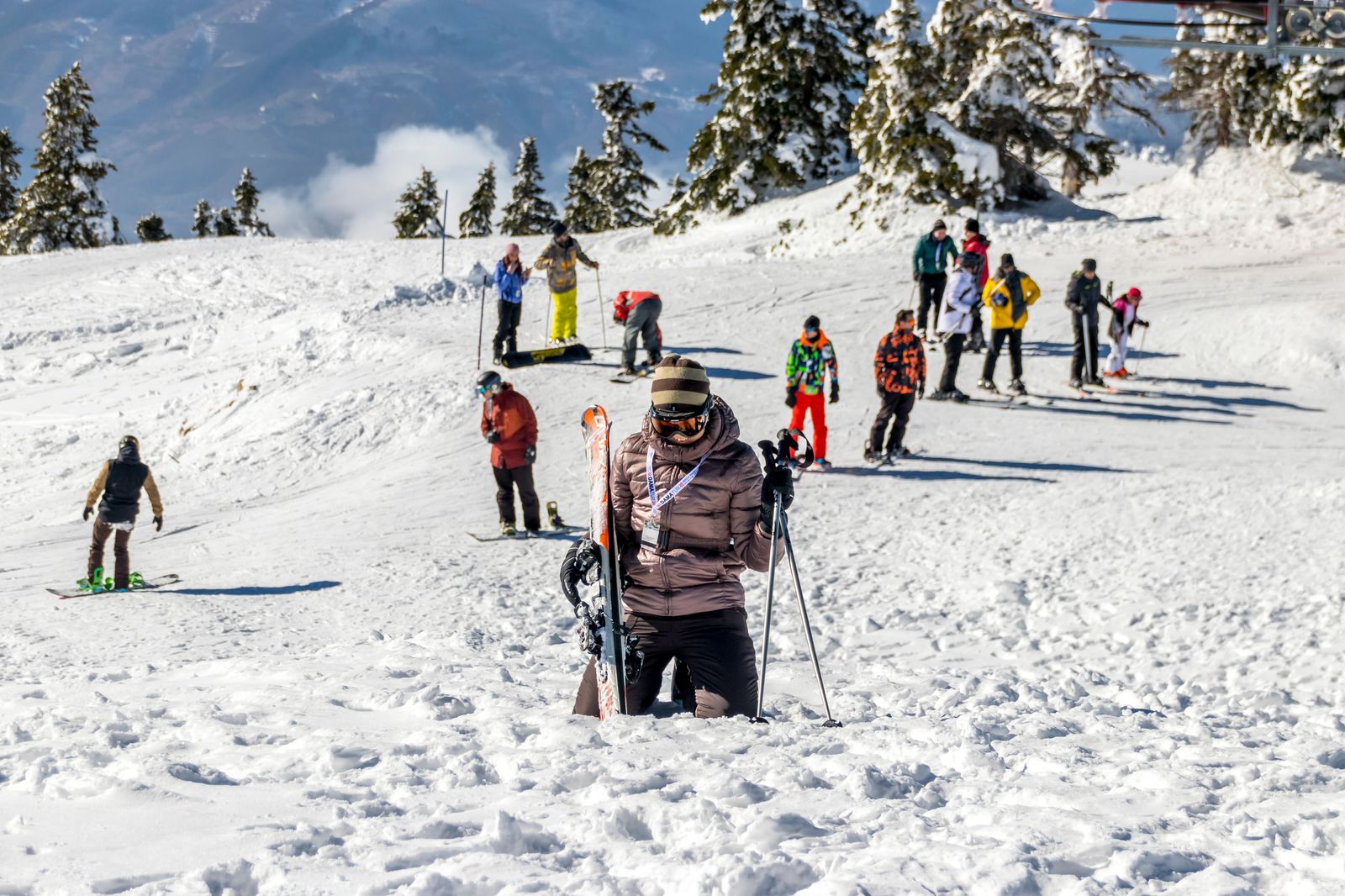
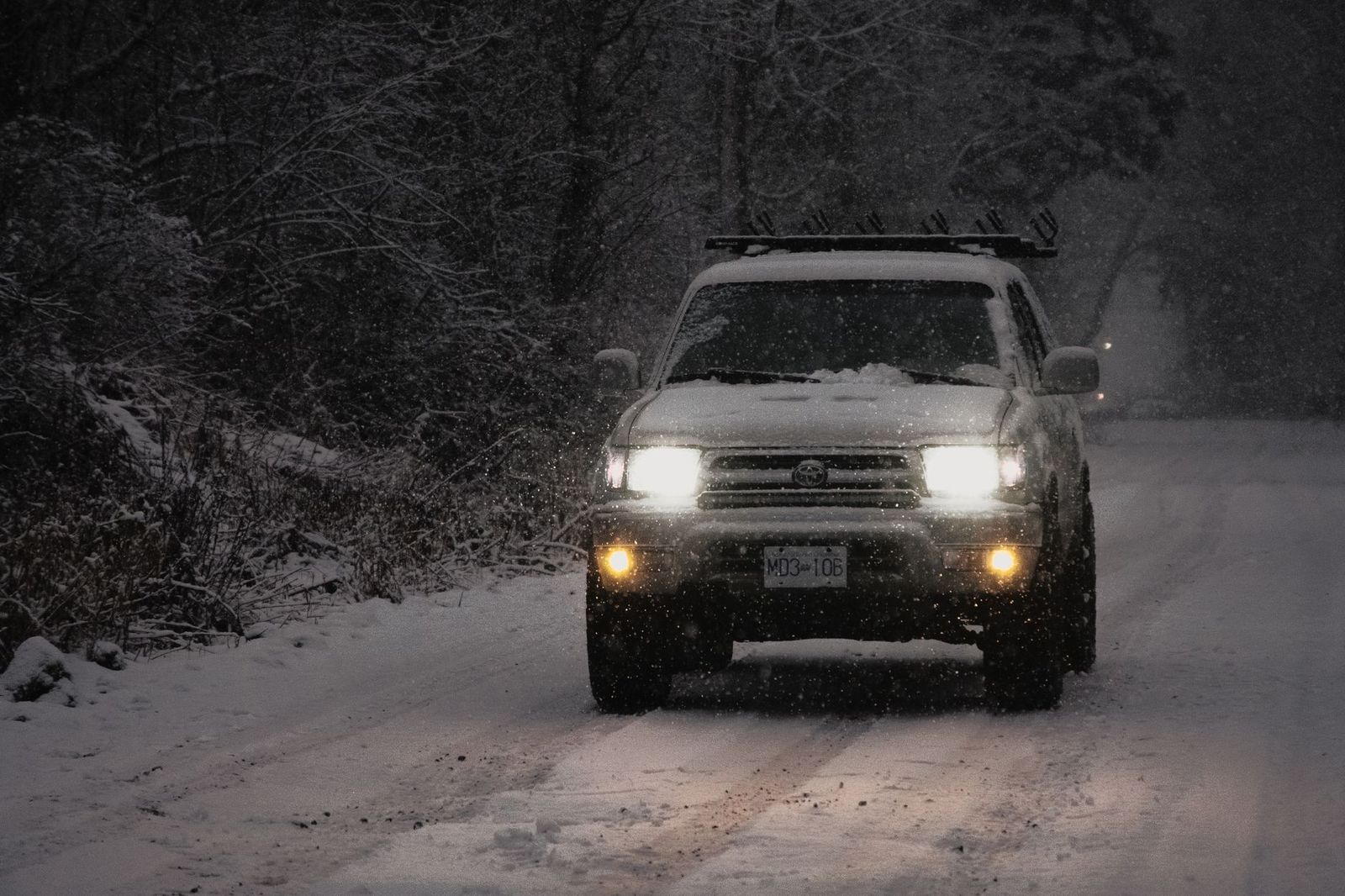
Skiers face the most weather-exposed driving of all. Blue Mountain Village is about 66 km and 60–70 minutes from downtown Barrie, with a business sedan at $300–345 one way and larger vehicles for skis and boots. Horseshoe, Snow Valley, Hardwood and Mount St. Louis Moonstone are closer. The ski resort transfers page has the detail.
A driven car means no one has to take the wheel after a day on the slopes, and a four-wheel-drive business SUV is the usual choice for gear and traction. Note that alcohol is not allowed in our vehicles.
What an hourly chauffeur does in a winter day
On a bad-weather day the hourly private chauffeur is the calm option. The same car and driver stay with you, adjust to closures, wait through a squall and drive on when the road clears. Planning rates are $135–160 an hour for a business sedan and $175–205 for a business SUV, with a three-hour minimum, all-in plus HST. A four-hour sedan booking is $540–640.
If your plan is a series of meetings or errands between Barrie and Toronto, see the hourly chauffeur service and the hourly versus point-to-point guide.
Preparing for the ride: luggage, children and pets
In winter people bring more: boots, coats, skis and extra bags. Tell us at booking so the right vehicle comes. A business sedan takes 3 passengers and 3 bags; a business SUV 5 and 5; an executive SUV 6 and 6. Child seats are from $25 each, added at booking. Pets need prior approval, with written confirmation, and service animals are welcome: mention them at booking. A wheelchair-accessible vehicle is available if booked in advance.
If the weather changes your plans
Call dispatch early. We are open every hour of the year, and our cancellation schedule is the same on every page: more than 72 hours before pickup, no charge; 72 hours or less, 10 %; 48 hours or less, 50 %; 24 hours or less or a no-show, 100 %. Talking early gives us room to re-time rather than cancel.
Planning ahead with BarrieLimo.net
Winter is when a booked, tracked, fixed-fare car earns its keep. Check Ontario 511, look at the cameras, and then book your car. For more planning help, see the guides hub, the Barrie limo prices guide and our GO train, shuttle or limo guide.