Winter driving tips that work on Barrie's snowbelt: fit four winter tires, keep the tank at least half full, clear snow from the roof and lights, skip cruise control on slippery pavement, leave more room to stop and check Ontario 511 first. See our Highway 400 winter travel guide; a chauffeur on winter tires is $380–440 to Pearson.
What are the best winter driving tips for Barrie's snowbelt?
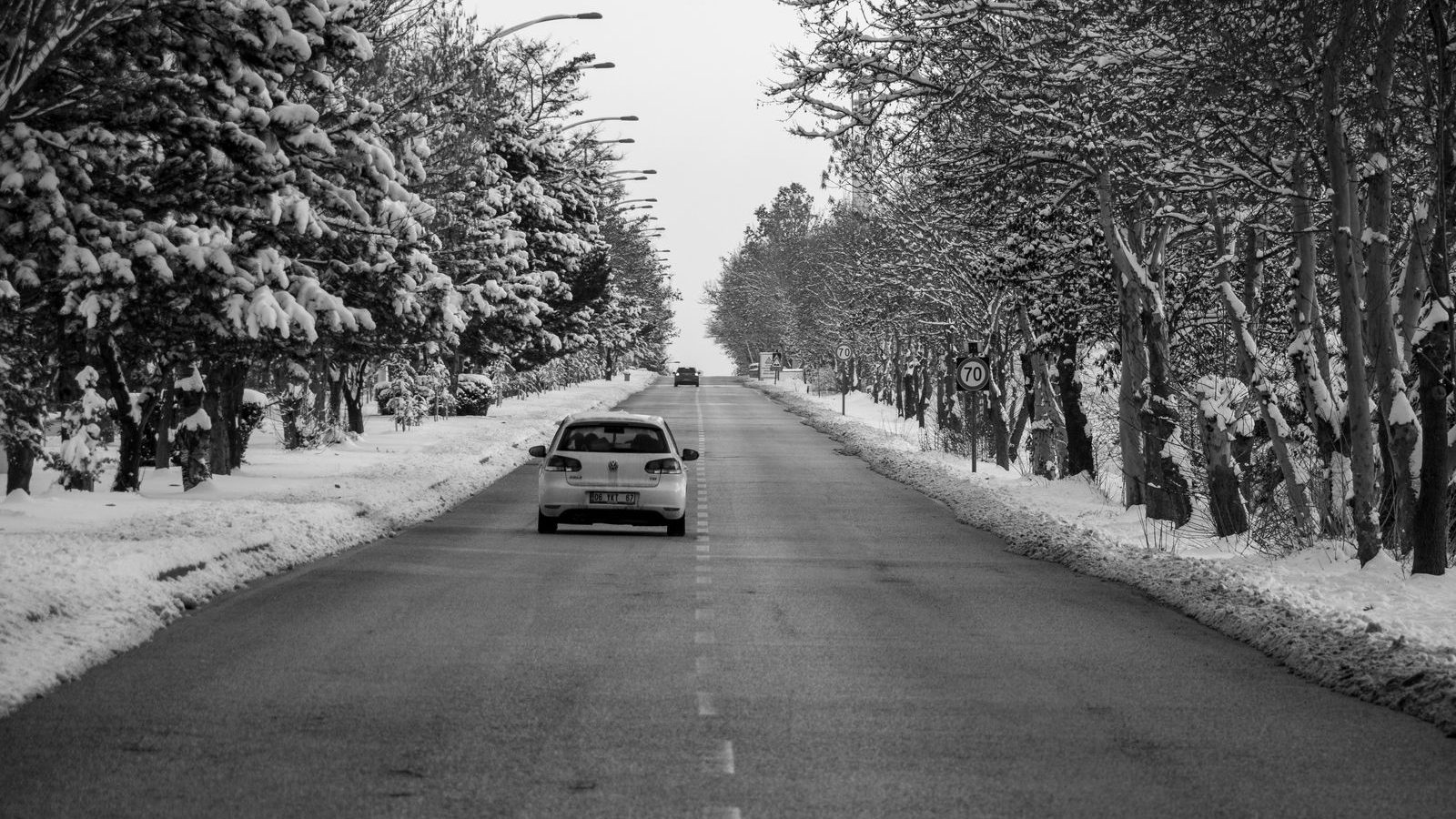
Start with the basics, which come straight from the Government of Ontario's winter driving advice. Use winter tires, all four, and never mix types. Keep the fuel tank at least half full. Clear ice and snow from your windows, lights, mirrors and roof. Do not use cruise control on wet, snowy or icy pavement. Steer gently on curves. Use your full lighting system in poor visibility and whiteout conditions. Leave extra room, because it takes longer to stop on slippery roads. Carry a winter kit.
Our Highway 400 winter travel guide explains where to check conditions and how much margin to add. This article is the hands-on companion: what those rules look like in practice, and how a professional approaches a winter day. If you would rather not drive at all, you can book a chauffeur and see the fixed fare first.
Why do squalls catch people out?
Because they are local and fast. Environment Canada describes snow squalls as forming when cold air moves across larger open bodies of water, such as the Great Lakes, creating nearly stationary bands of cloud and snow. For Barrie, that is Georgian Bay's snow, and it is why conditions can change from clear to whiteout within a few kilometres of Highway 400.
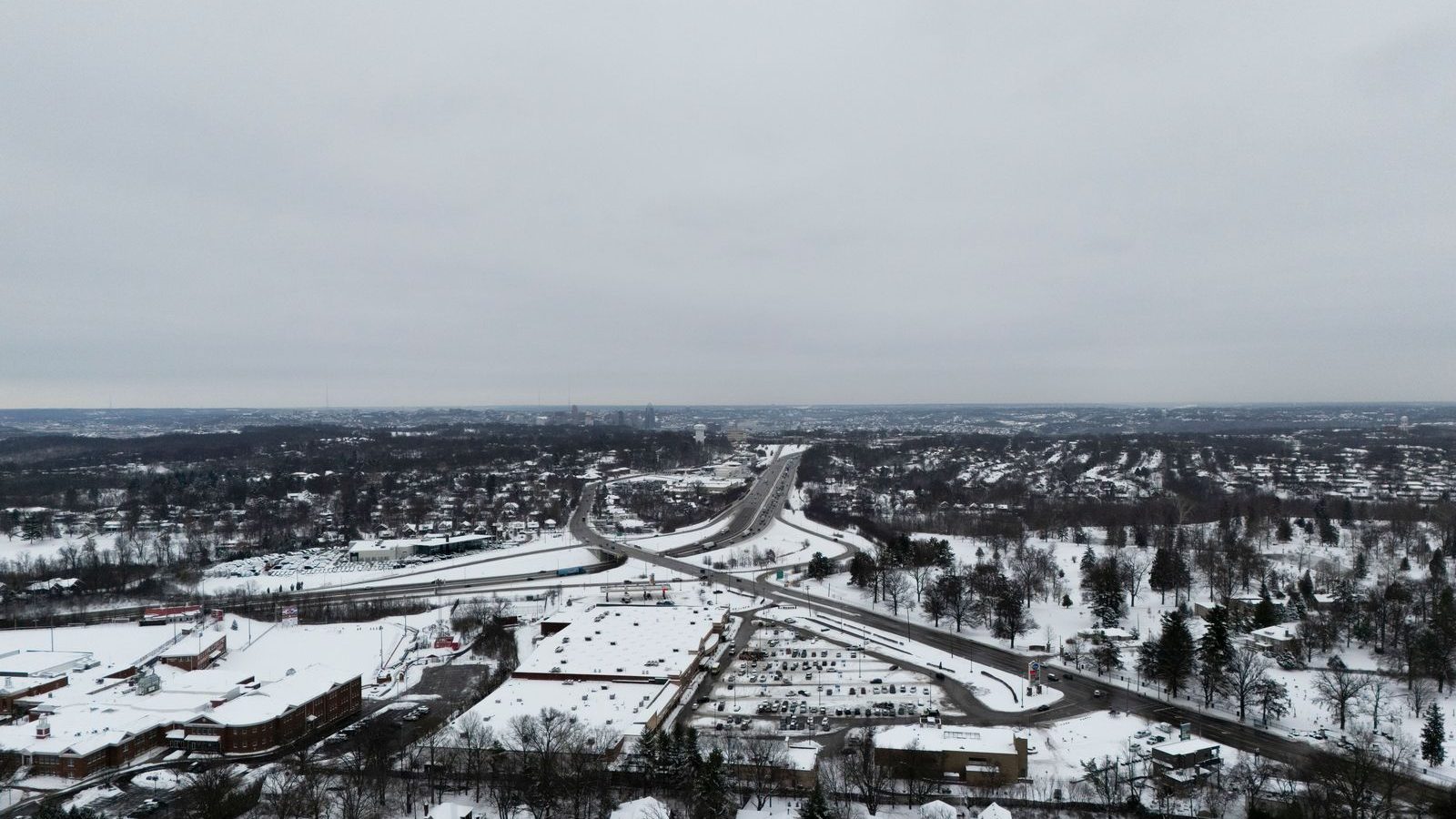
The stretch between Barrie and Highway 89 is the one dispatchers watch, because squalls can slow or close it with little warning from November to March. The practical lesson: a clear forecast for Toronto tells you almost nothing about Barrie, and a clear sky at your driveway tells you nothing about the next exit. Check Environment Canada for warnings and Ontario 511 for the cameras on the road you are about to drive.
What does a professional check before a winter trip?
The same short list, every time. Dispatch looks at the forecast and the cameras before a car is released in squall season. The tires are winter tires. The fuel is not low. The windows, lights, mirrors and roof are clear. The route is chosen for the conditions, and the departure time is chosen for the road, not for the schedule.
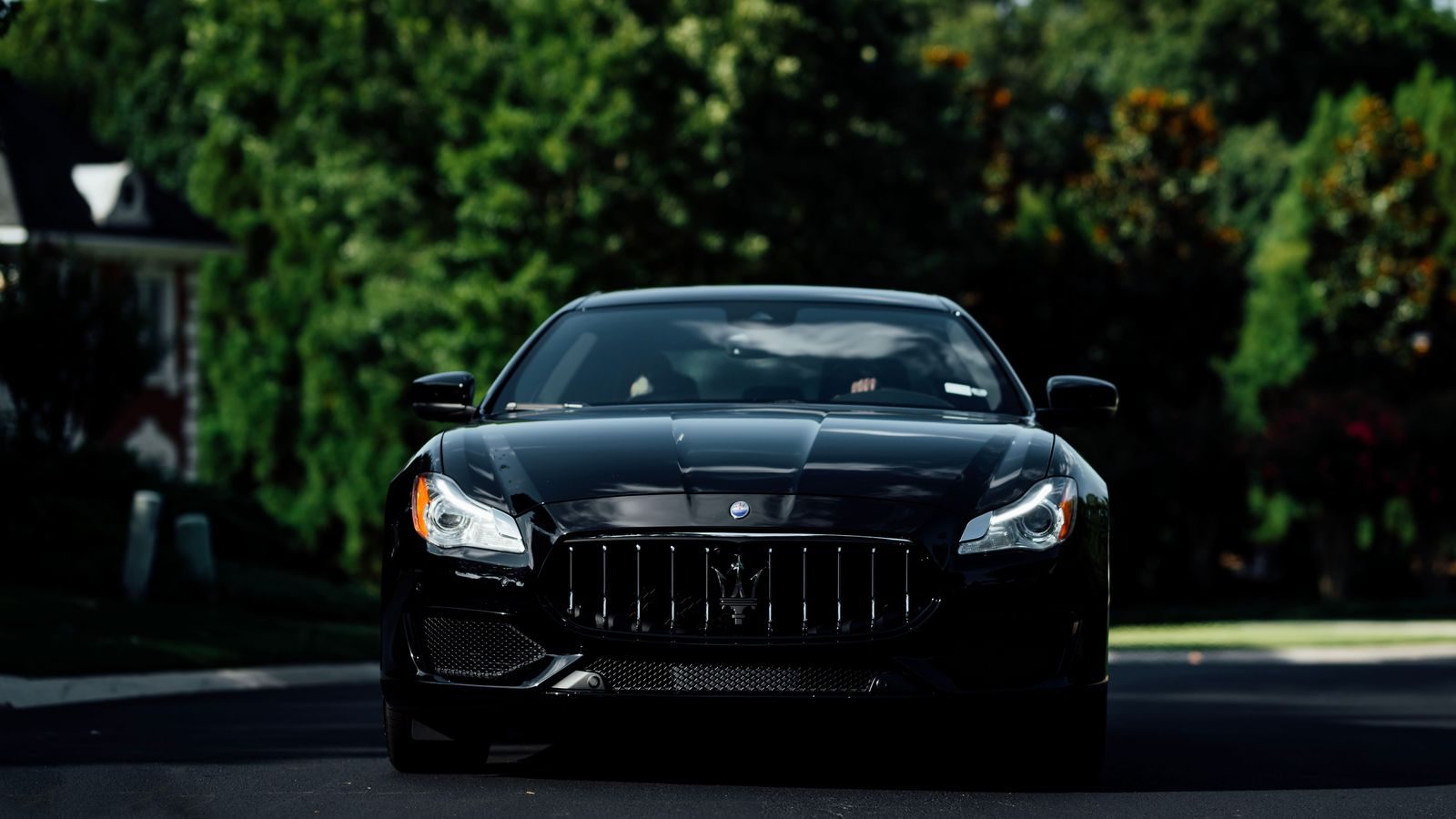
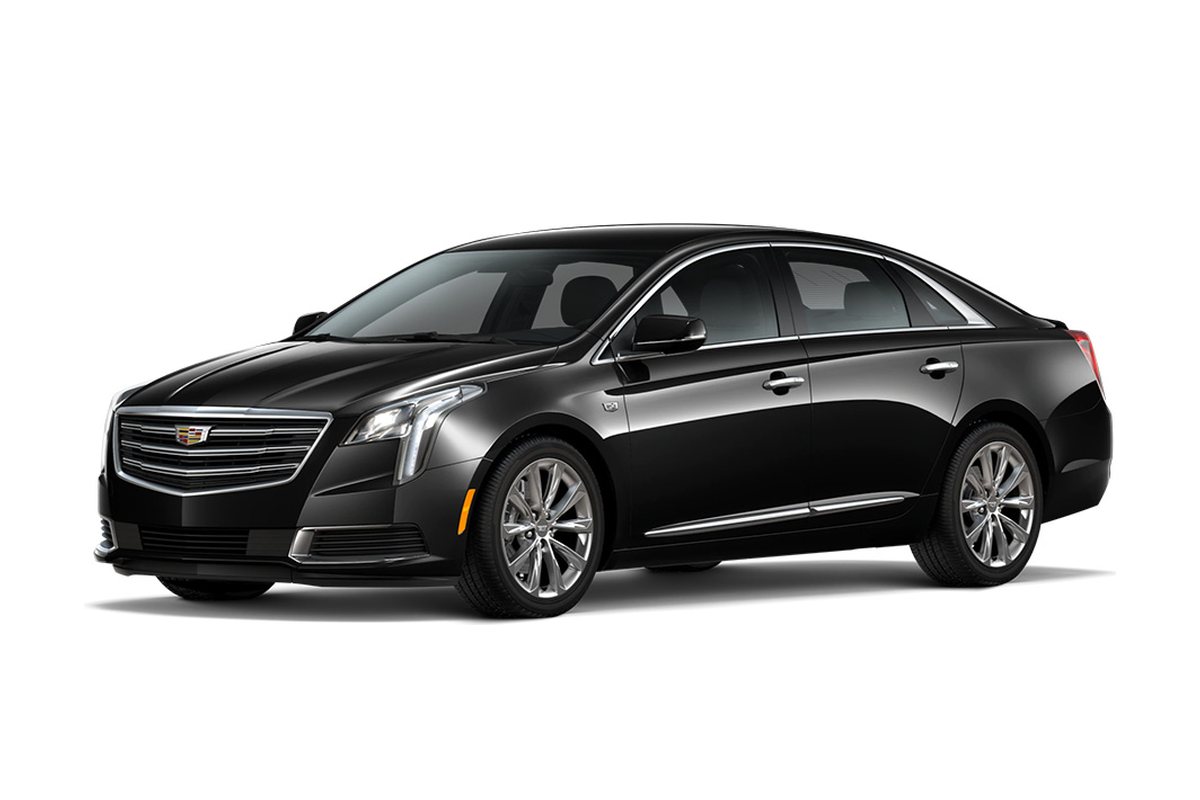
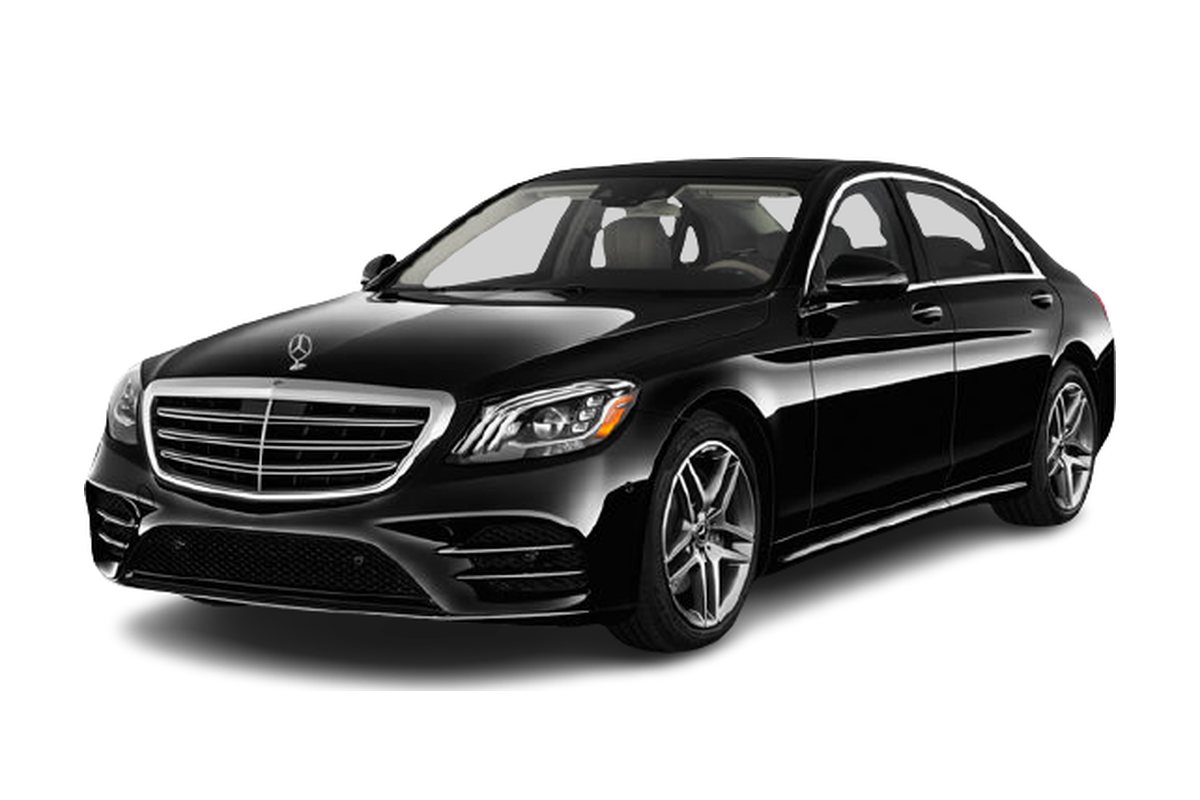
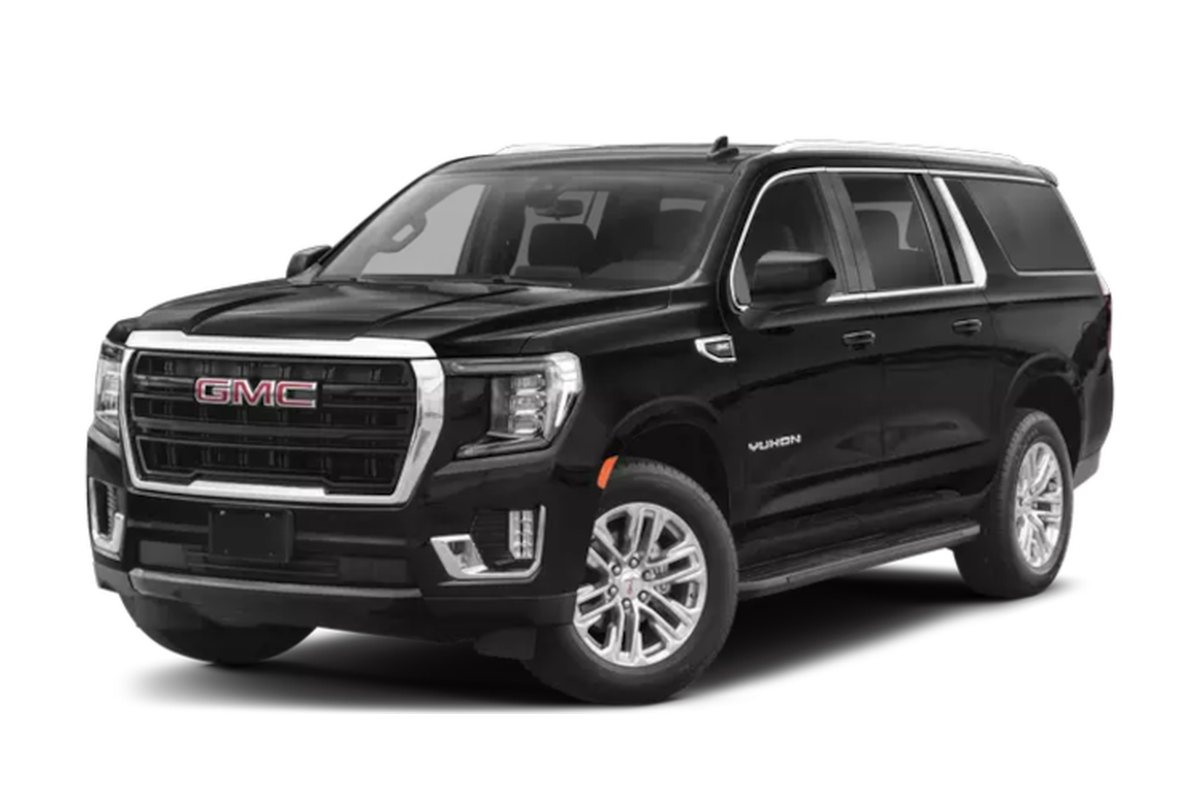
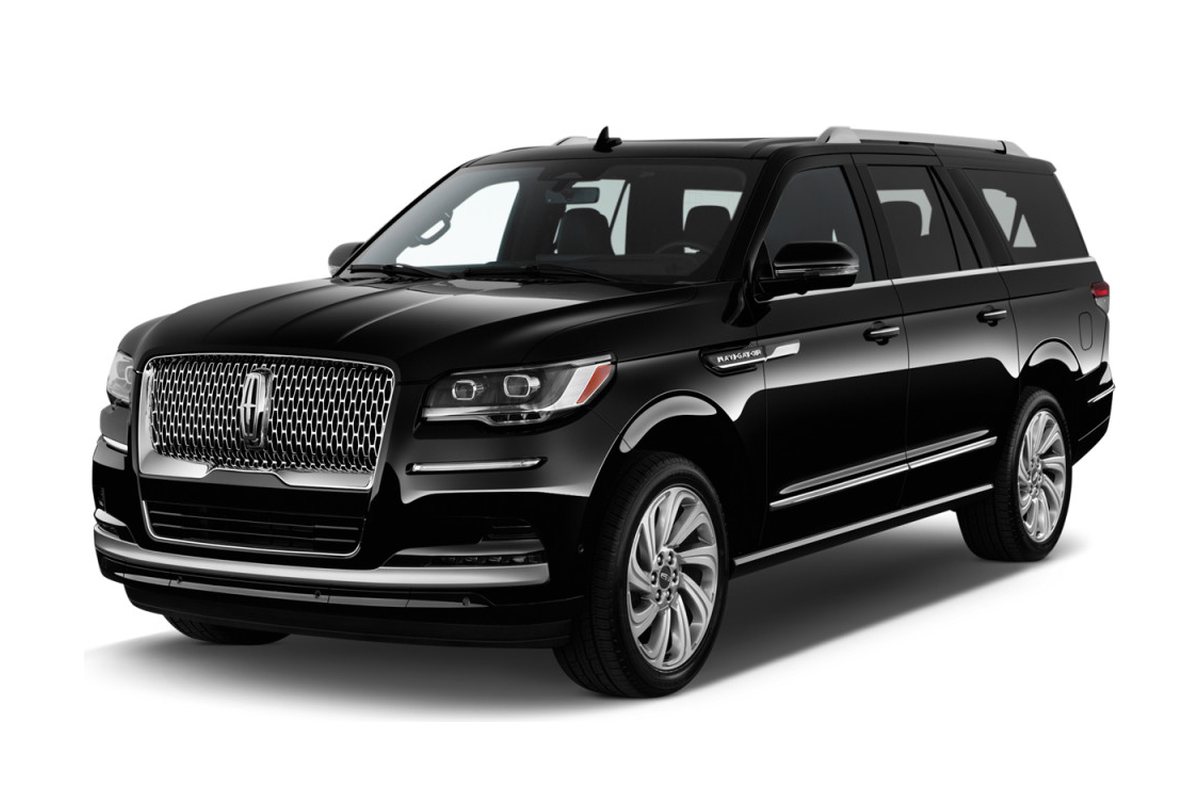
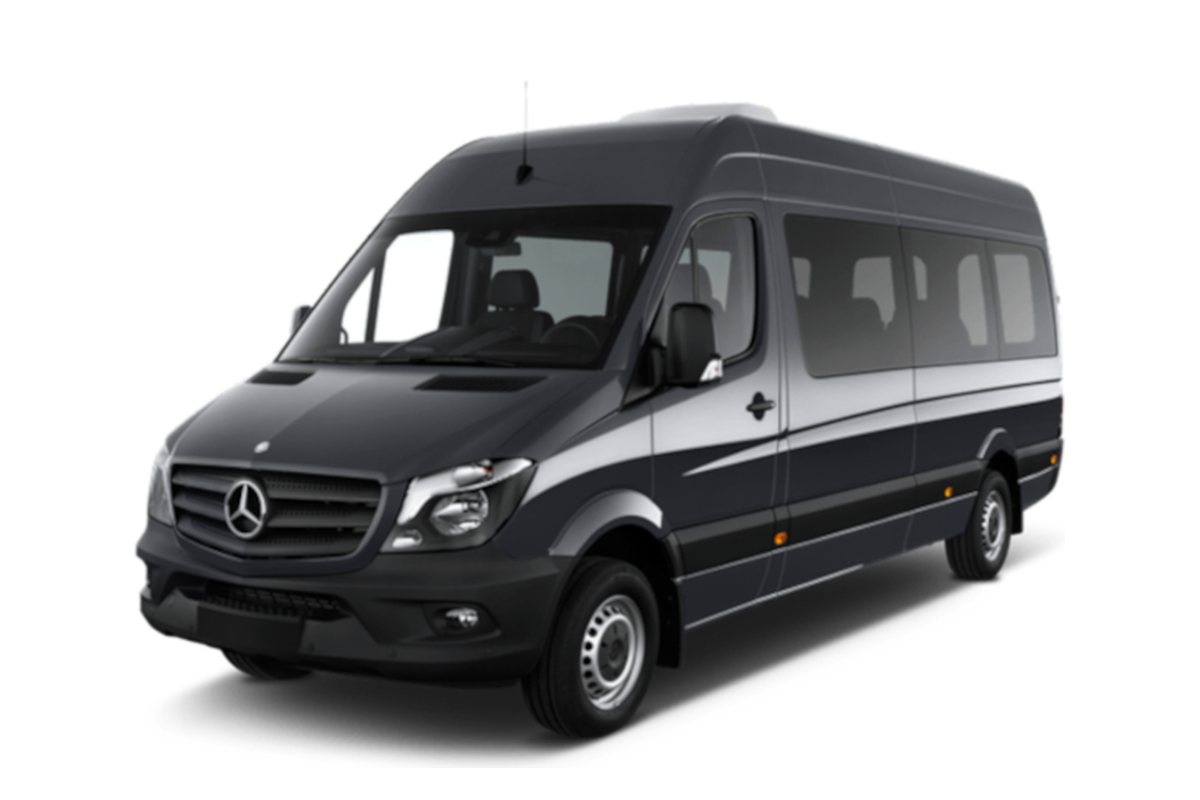
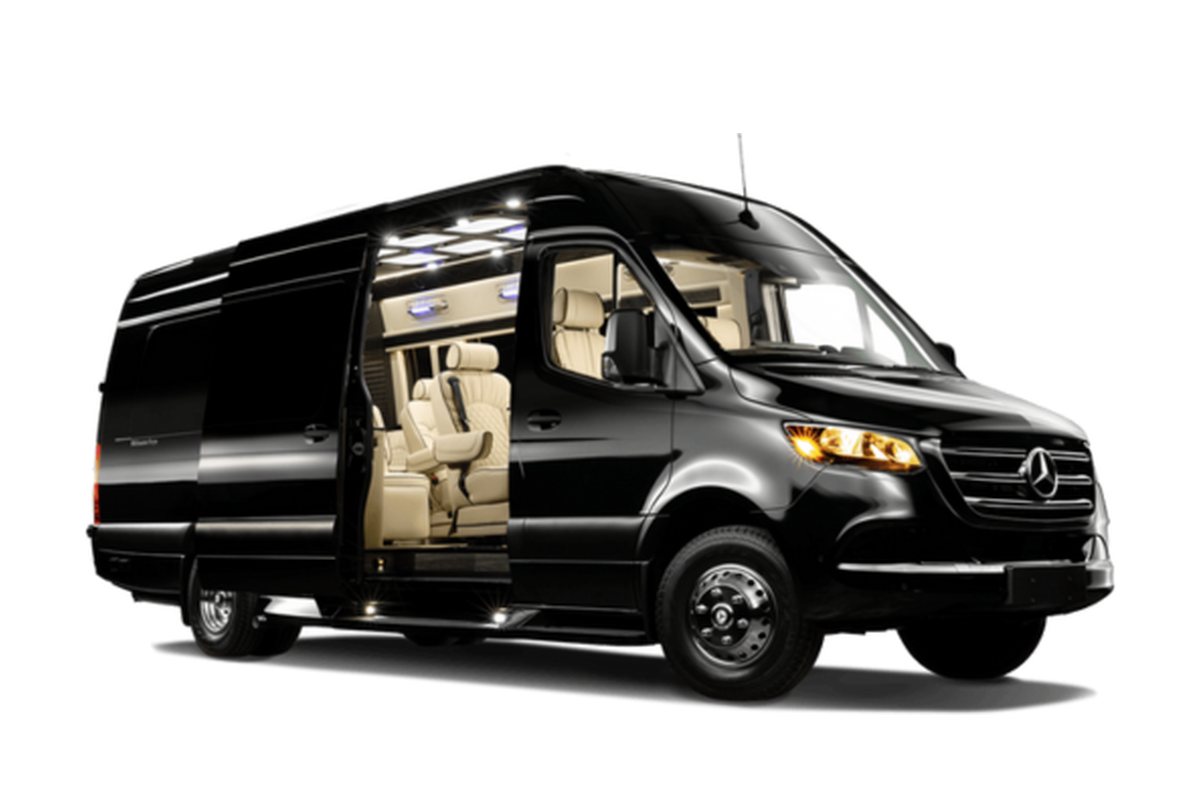
The last item is the one amateurs skip. A professional is willing to leave 30 minutes earlier than the schedule implies, and willing to say that a trip should wait. That willingness is most of what a winter chauffeur sells. Our fleet page notes that our sedans, SUVs, vans and Sprinters run on winter tires from November to April.
How do you clear a car properly?
All of it, not a porthole. Ontario's advice is to clear the windows, lights, mirrors and roof. Windows and mirrors are obvious. Lights matter because snow-covered headlights and brake lights make you hard to see in exactly the conditions where you need to be seen. The roof matters because snow left there can slide forward onto the windshield when you brake, or blow back into the vehicle behind.
Allow ten minutes you did not plan for. If the engine needs to warm up, do the clearing while it does. A trip that starts with a clear car starts with the best view you will have all day.
How much room should you leave?
More than you think, and more than the same speed would need in summer. Ontario's advice is simply that it takes longer to stop on slippery roads. A useful habit is to pick a fixed object, such as a sign or an overpass, watch the vehicle ahead pass it and count how long it takes you to reach the same point; then make that gap longer than feels necessary. Wet snow, packed snow and ice are all different, so judge the surface and not just the weather.
Slower is not only safer but quieter: a calm cabin on a bad road is a sign the chauffeur has left enough margin.
How should you steer, brake and accelerate?
Gently, and early. Ontario says to steer gently on curves and in slippery conditions. Smooth inputs are the point: sudden steering, braking or acceleration is what breaks traction on a slick surface. Begin braking sooner than you would on dry pavement, and ease off the accelerator in a corner rather than lifting abruptly.
Watch for black ice, which Ontario describes as pavement that looks black and shiny and may be iced over. Bridges, overpasses and shaded stretches are the places it tends to form first, and a road that looked fine a kilometre ago may not be fine now.
What do you do in a whiteout?
Slow down smoothly and early, and use your full lighting system, as Ontario advises for poor visibility and whiteout conditions. Increase the gap to the vehicle ahead, and do not follow its taillights too closely, because the driver you are following may be doing the same thing. If conditions are bad enough that you cannot see, get off the road at the next safe exit if you can.
If you are in danger, call 911. If you are not, a squall is often brief, and waiting at a safe place is better than pushing on. A professional will tell the passengers what is happening and what the plan is; if you are the passenger, the most helpful thing you can do is stay calm and let the chauffeur concentrate.
Should you pass the plow?
No. Working snowplows reduce visibility for everyone near them, and the road in front of a plow is the road nobody has cleared yet. Ontario's advice is not to pass them, and notes that you usually will not be stuck behind one for more than 20 to 30 minutes. That is a short wait compared with the alternative.
What belongs in the winter kit?
Ontario's list is specific: a charged phone, water and non-perishable food, a flashlight, a blanket and warm clothes, jumper cables, a shovel, traction mats or sand, and candles and a lighter or matches. A winter kit is cheap insurance against a long wait on a closed road. Passengers on a long winter trip can add their own: gloves, a hat and a charger.
Are winter tires the law, and are they worth it?
They are not required in Ontario, but the province's advice is that they improve traction and control in frost, snow and ice and can shorten braking distances by as much as 25 per cent. All-season tires can start to lose grip at about 7 degrees Celsius. Ontario also notes that drivers could get a discount on auto insurance for using winter tires, so ask your insurer.
On Highway 400 the tires matter as much as the drivetrain, so an all-wheel-drive vehicle on worn all-season rubber is not automatically the better winter car. Our post on sedan versus SUV for a Simcoe County winter works through this.
When is the best tip not to drive?
When the forecast, the cameras and the closure notices all say wait. A squall warning is a reason to delay a non-essential trip: an hour at home is cheaper than a collision. This table is how we think about it, not a rule.
| Conditions | A sensible choice |
|---|---|
| Dry or wet road, clear forecast | Drive normally, with winter tires on |
| Light snow, roads wet | Leave earlier; extra room to stop |
| Steady snowfall | Add significant time; watch the cameras |
| Snow squall warning | Delay if the trip is not essential; talk to dispatch if booked |
| Highway 400 closure or whiteout | Wait, re-plan, or travel the evening before |
What is the passenger's job on a winter ride?
Keep it simple. Wear a seat belt, dress for the curb, keep medication and a charger in a bag you hold, and tell dispatch about anything that affects timing, such as a flight change. Do not ask the chauffeur to hurry; ask what the plan is. For a flight, give yourself the margin the chauffeur recommends, and read our post on early-morning flights from Barrie if the pickup is before dawn.
What changes for an electric car in winter?
Range. In a February 2025 CAA test of 13 electric vehicles at roughly minus 7 to minus 15 degrees Celsius, every one fell short of its official range, by 14 to 39 per cent. That does not make an electric car a bad winter vehicle; it means the cushion on a long trip needs to be larger. See our post on the Cadillac Lyriq as a black car for the arithmetic on a Barrie run.
Should you drive yourself to the airport or the ski hill?
It depends on how much of the trip is risk. For a ski day, Blue Mountain Village is 66 km and 60–70 minutes away: sedan $300–345 one way, business SUV $400–460. Toronto Pearson is about 97 km and 60–85 minutes, sedan $380–440. If you drive a handful of winter trips a year and the forecast is poor, a booked car is a way to take the squall off your plate; if you drive these roads every week, you already know the pattern.
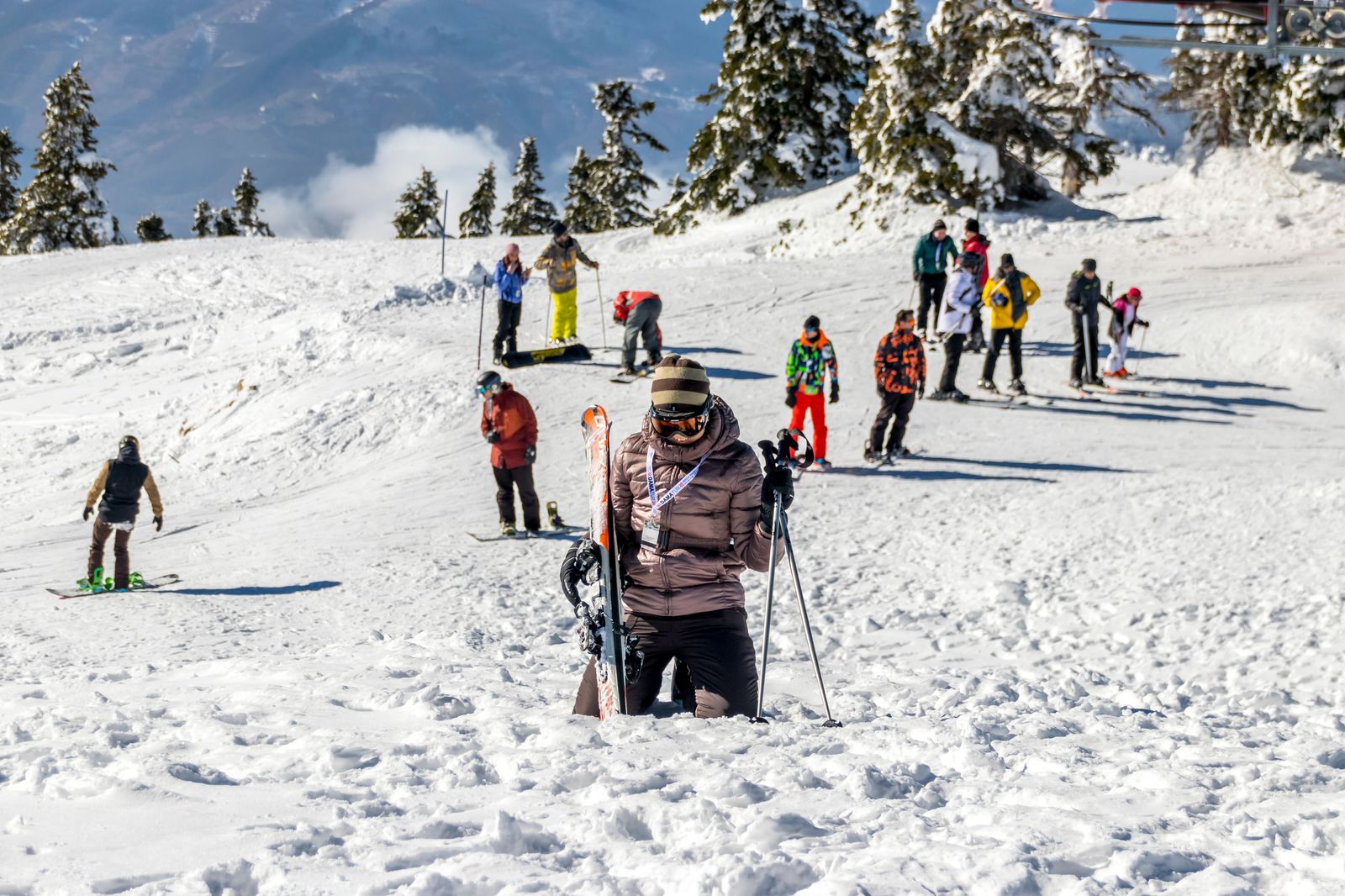
Skis, boots and gear change the vehicle, not the principle; for an early flight in a bad forecast, the travel desk can book a Pearson hotel the night before. Our ski season post covers the resorts. For airport runs in snow, see our winter airport transfers post.
How do I book a winter chauffeur?
Use the reservation engine for a fixed all-in fare, with tolls on the planned route and gratuity included, HST shown separately and no surge pricing. If the weather turns, call dispatch, which is staffed every hour of the year. Cancellation is measured from the scheduled pickup: no charge more than 72 hours before, 10 per cent at 72 hours or less, 50 per cent at 48 hours or less, and 100 per cent at 24 hours or less or for a no-show. Talking early gives us room to re-time rather than cancel.