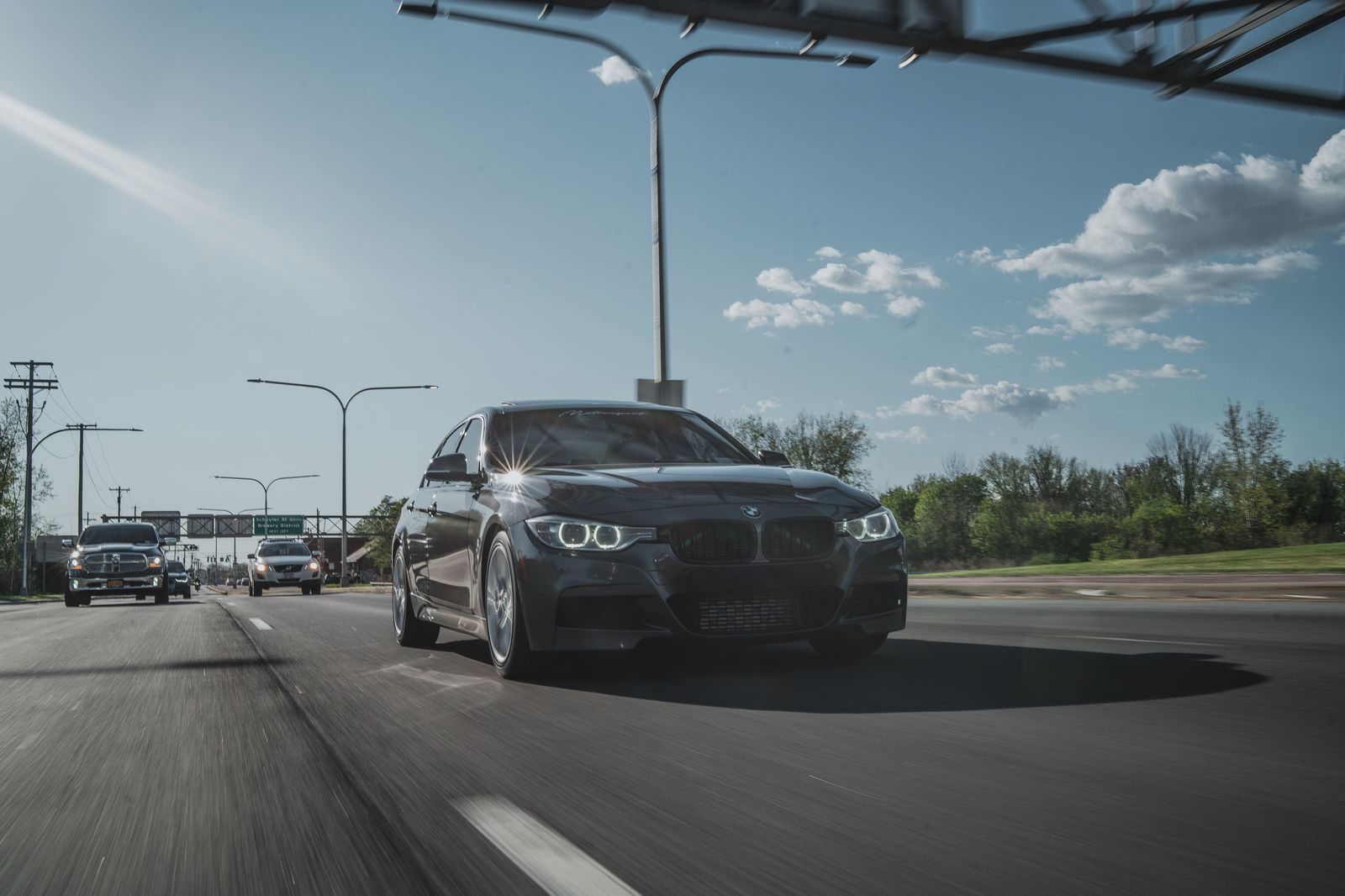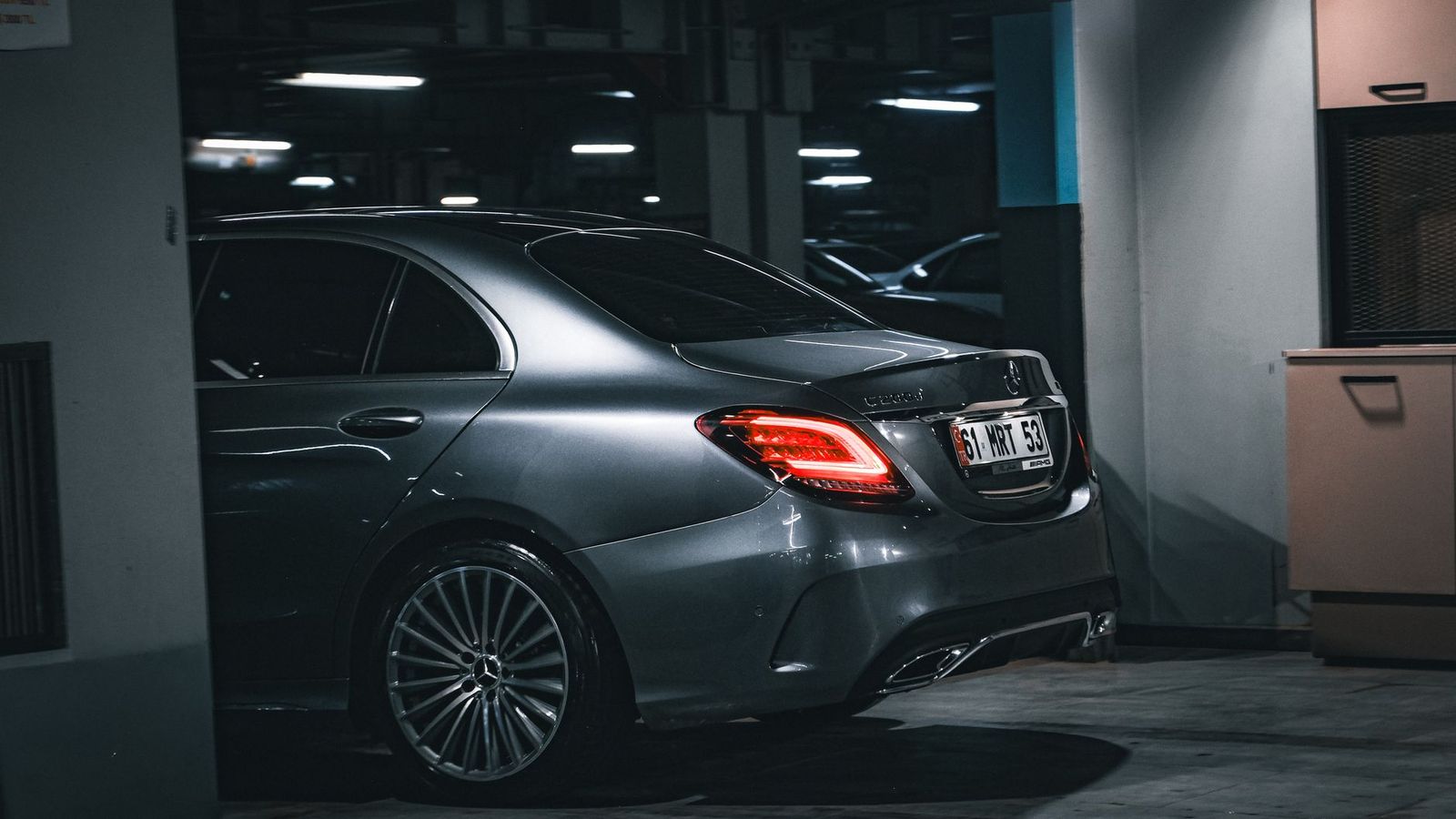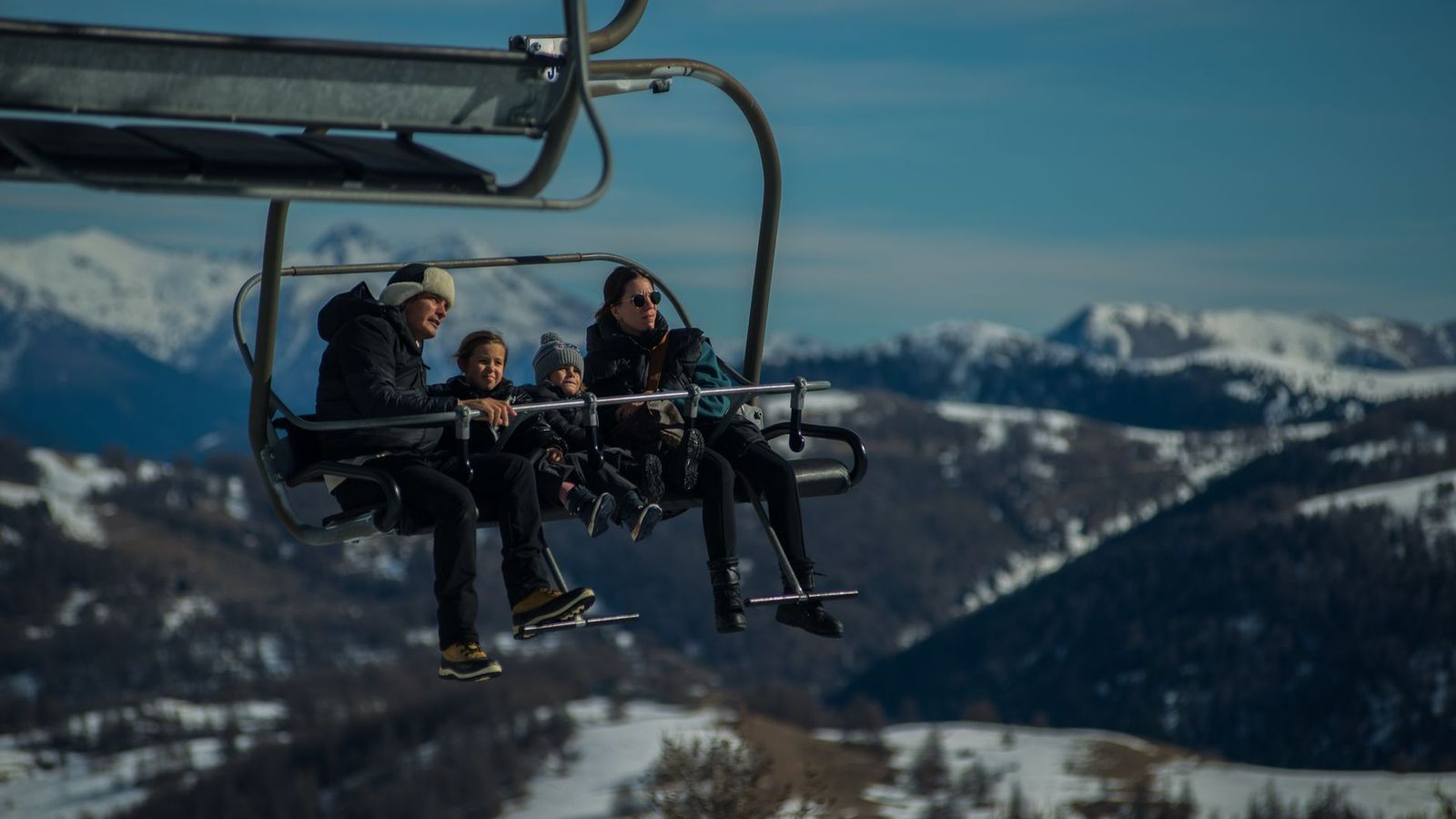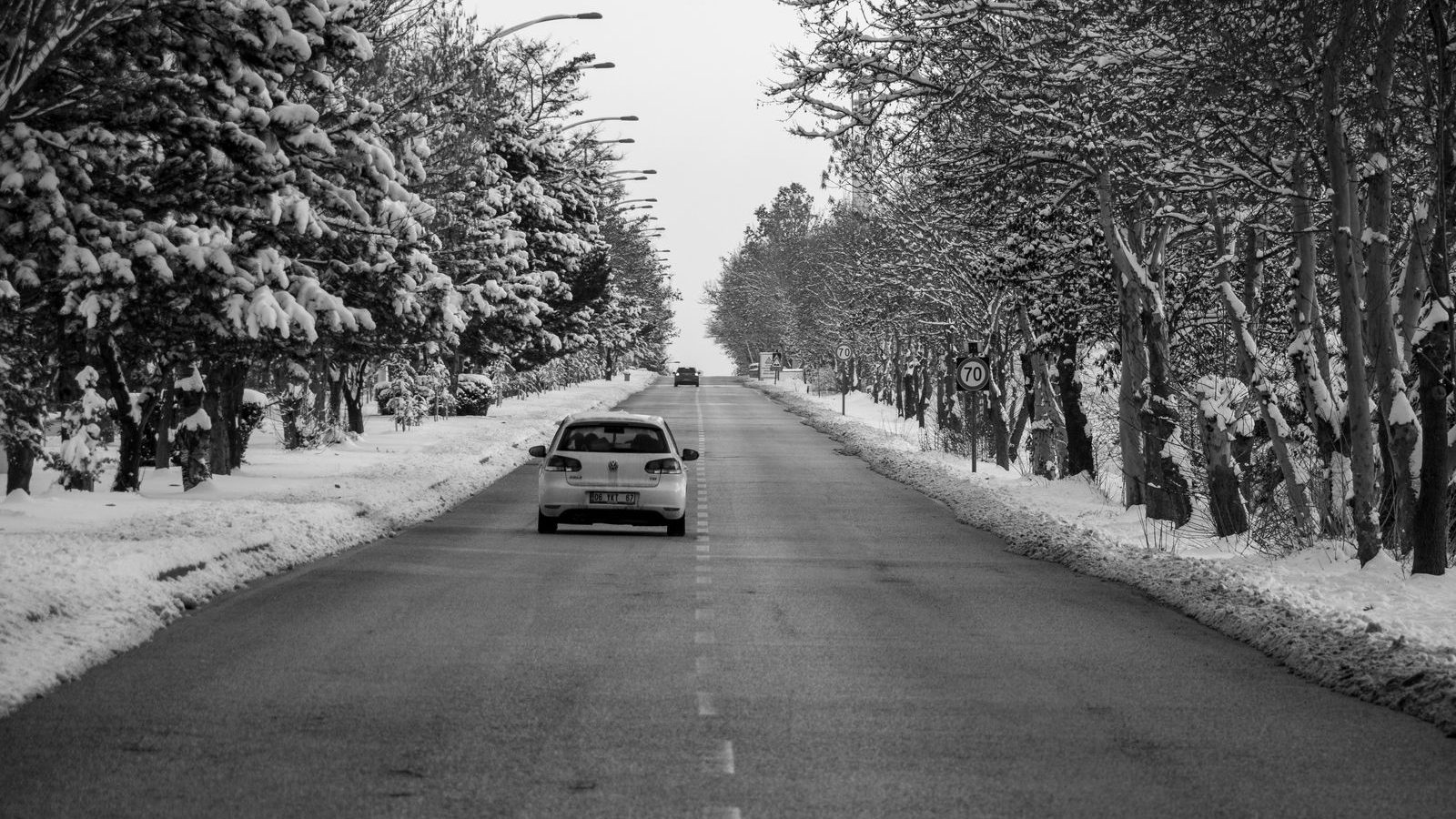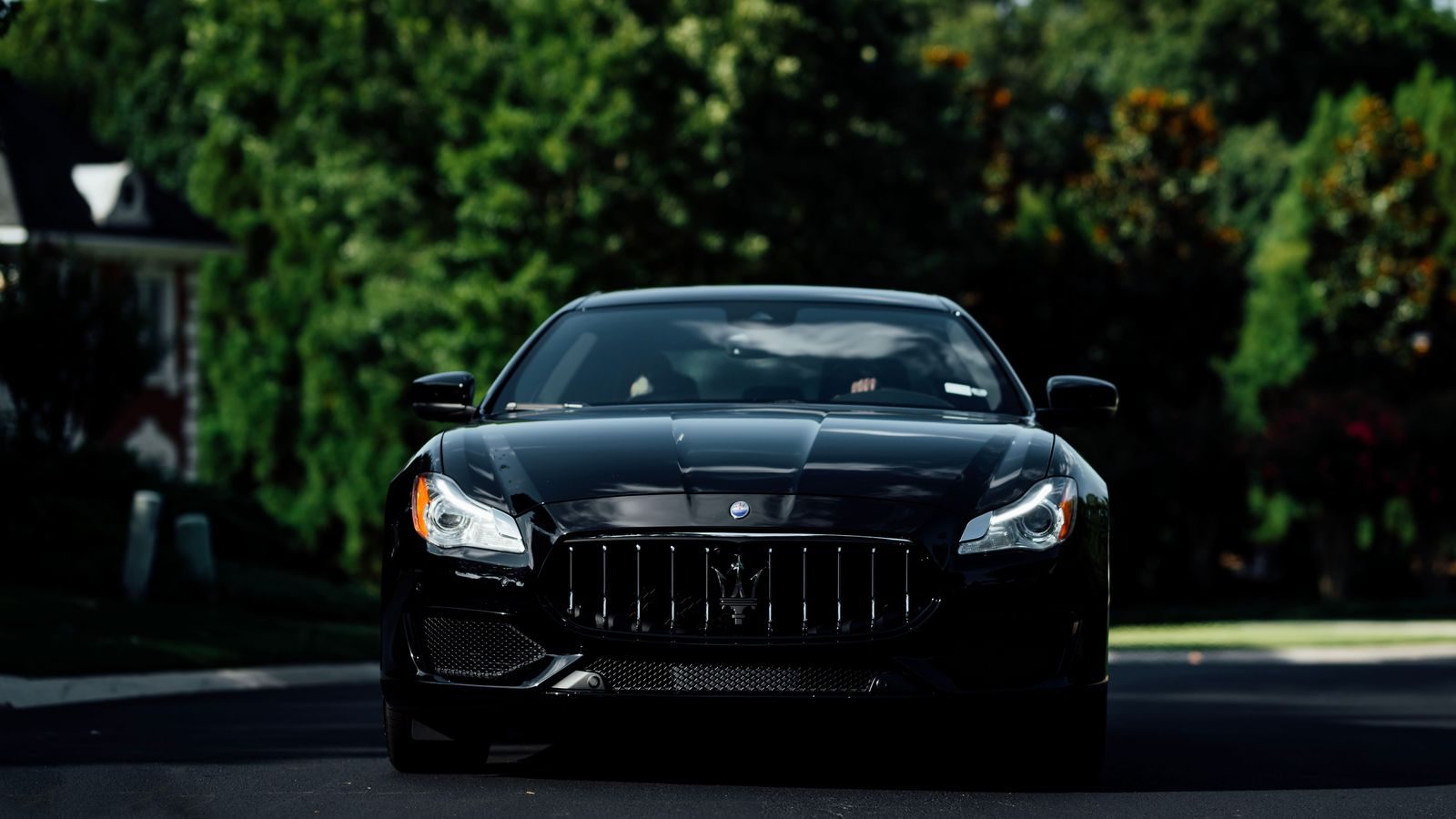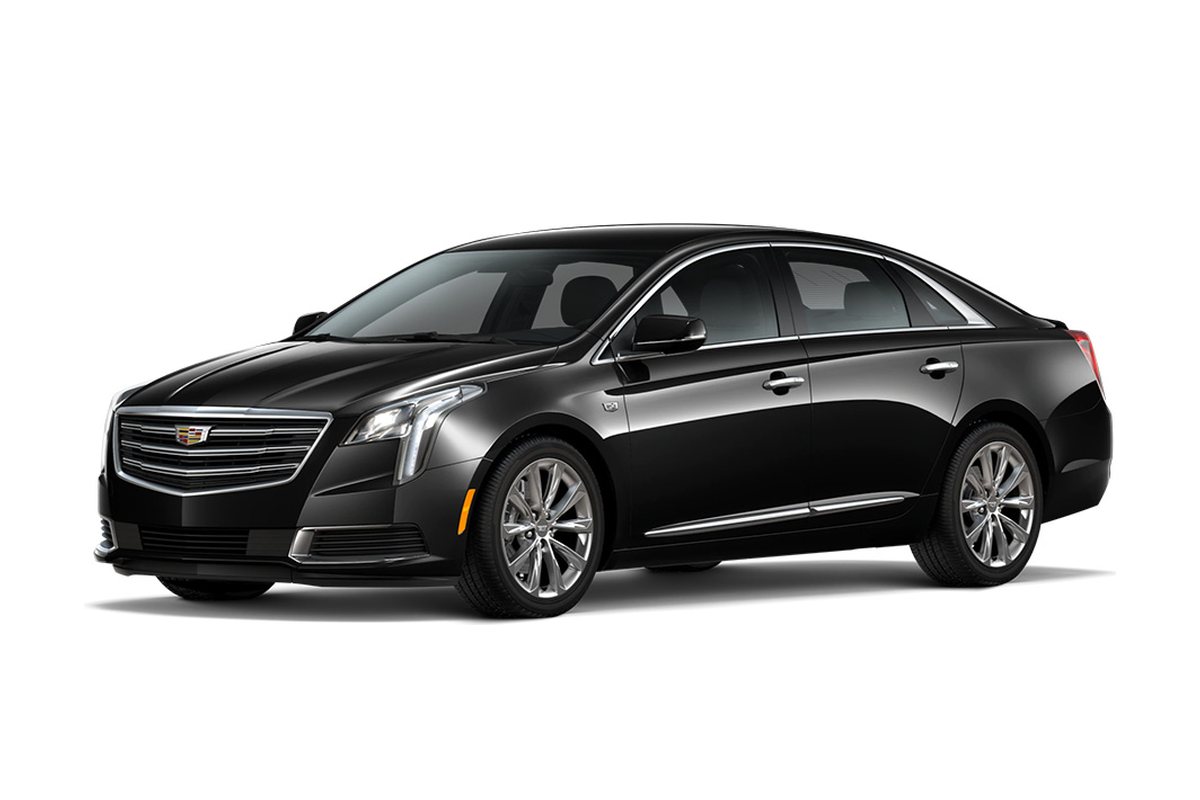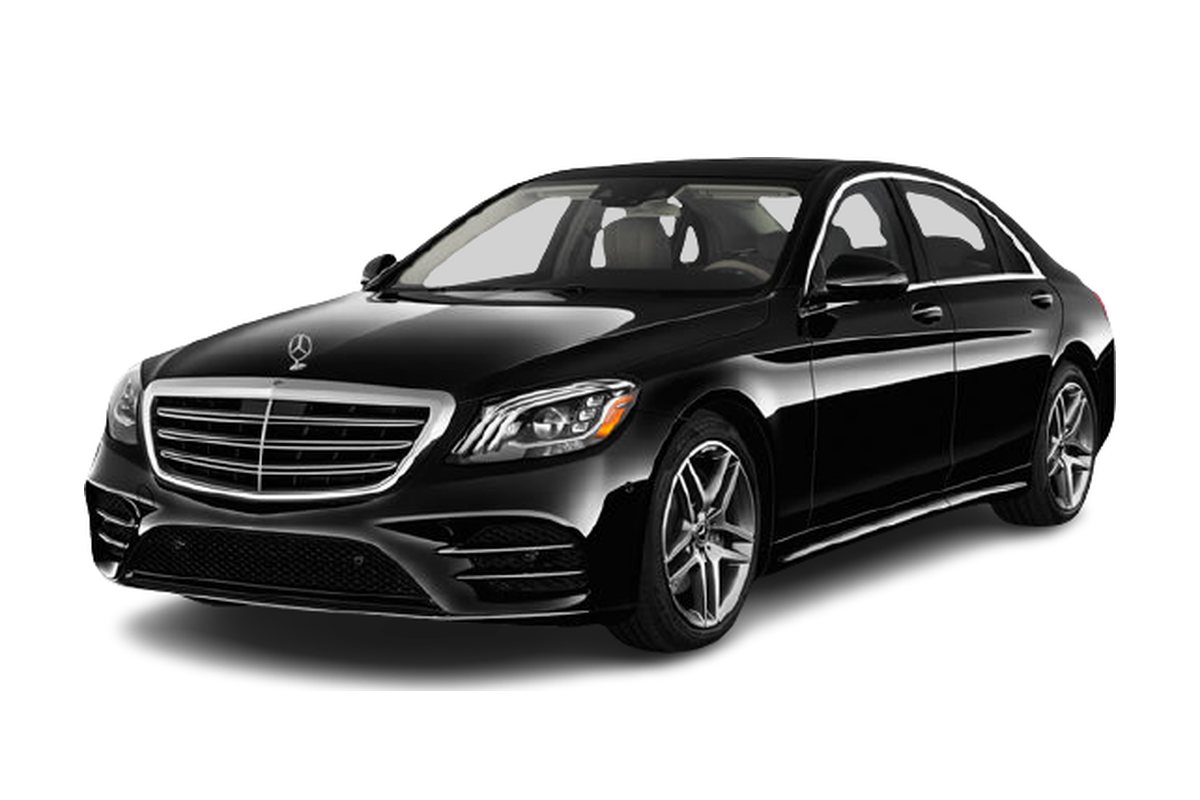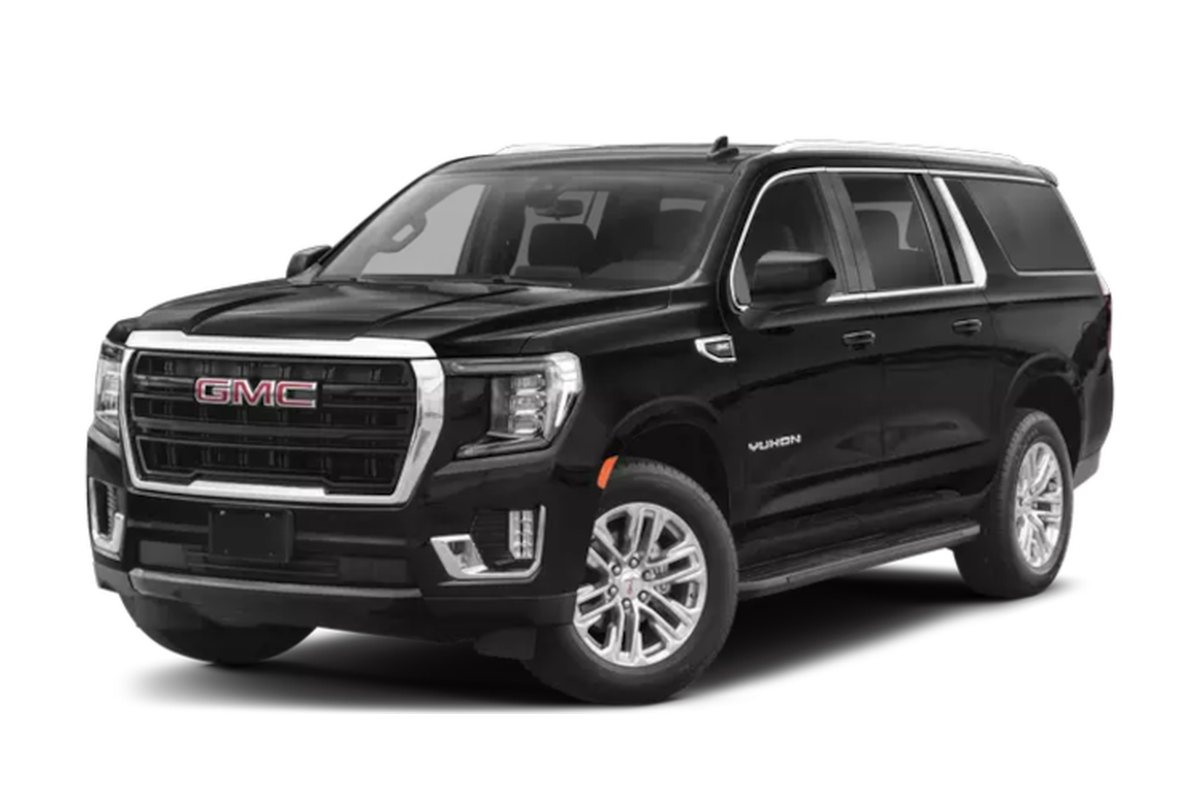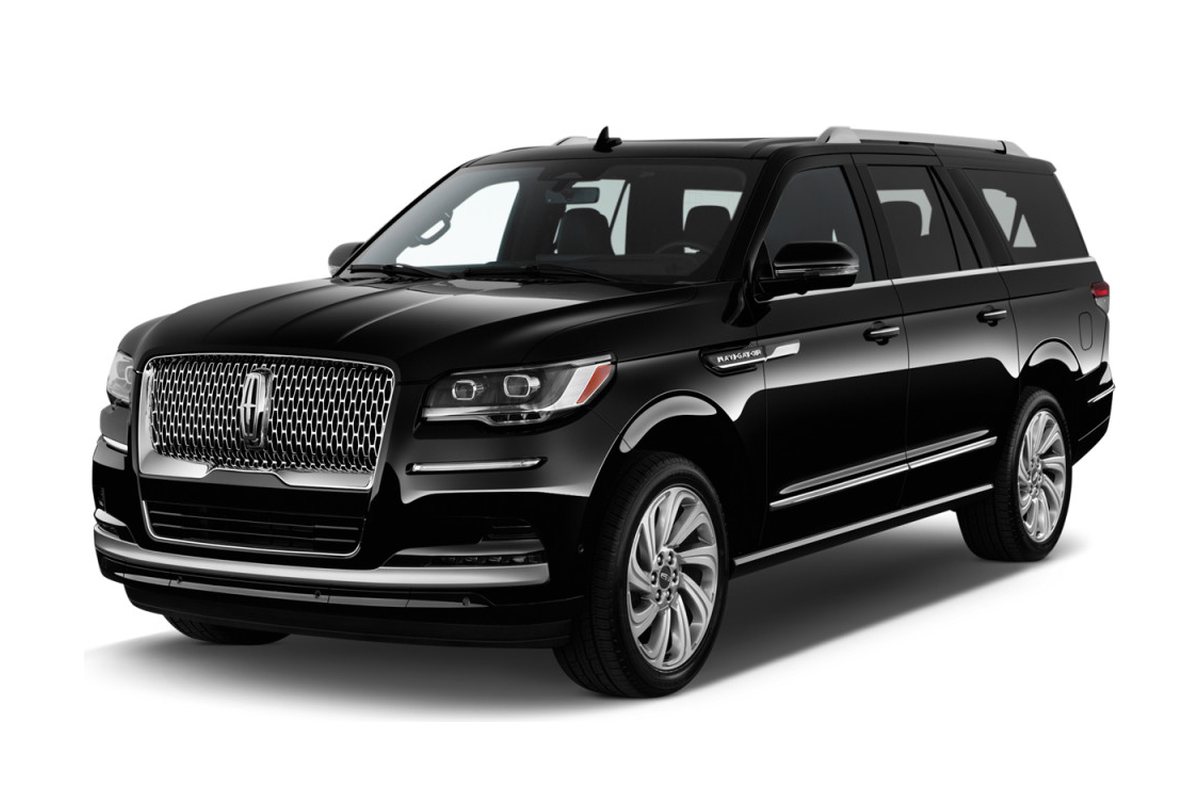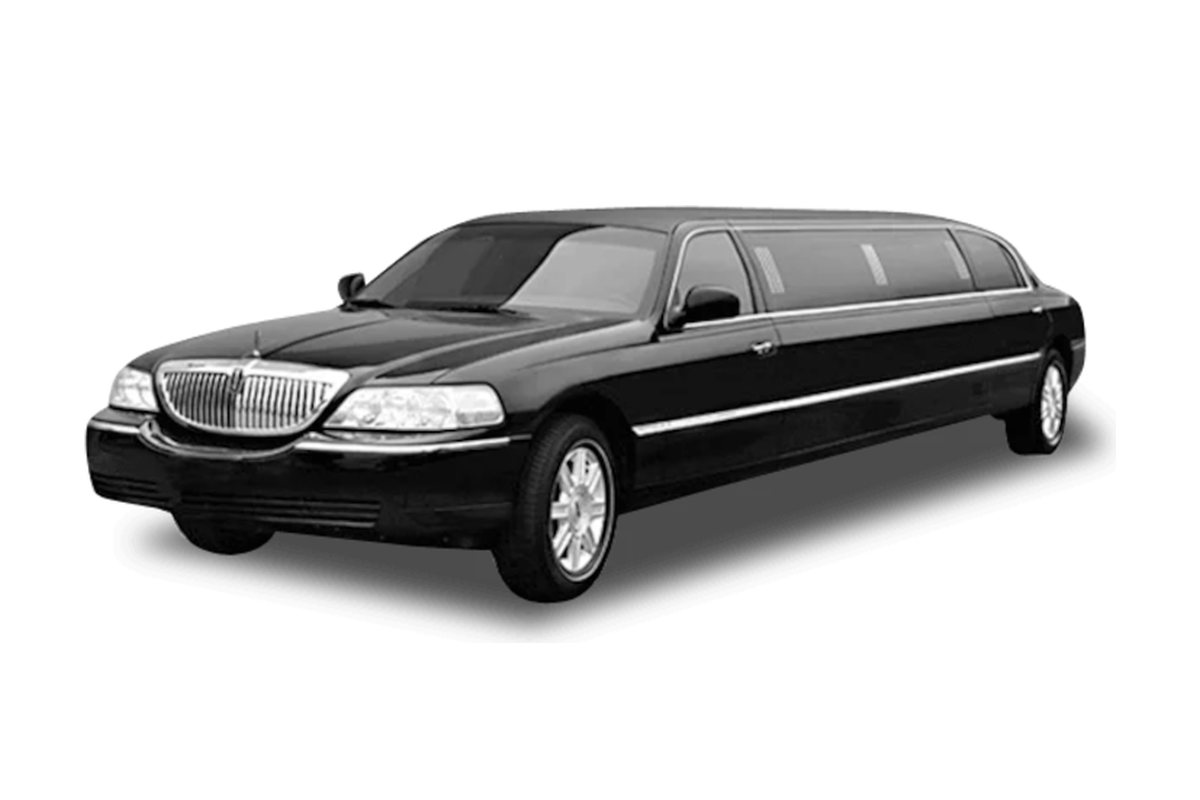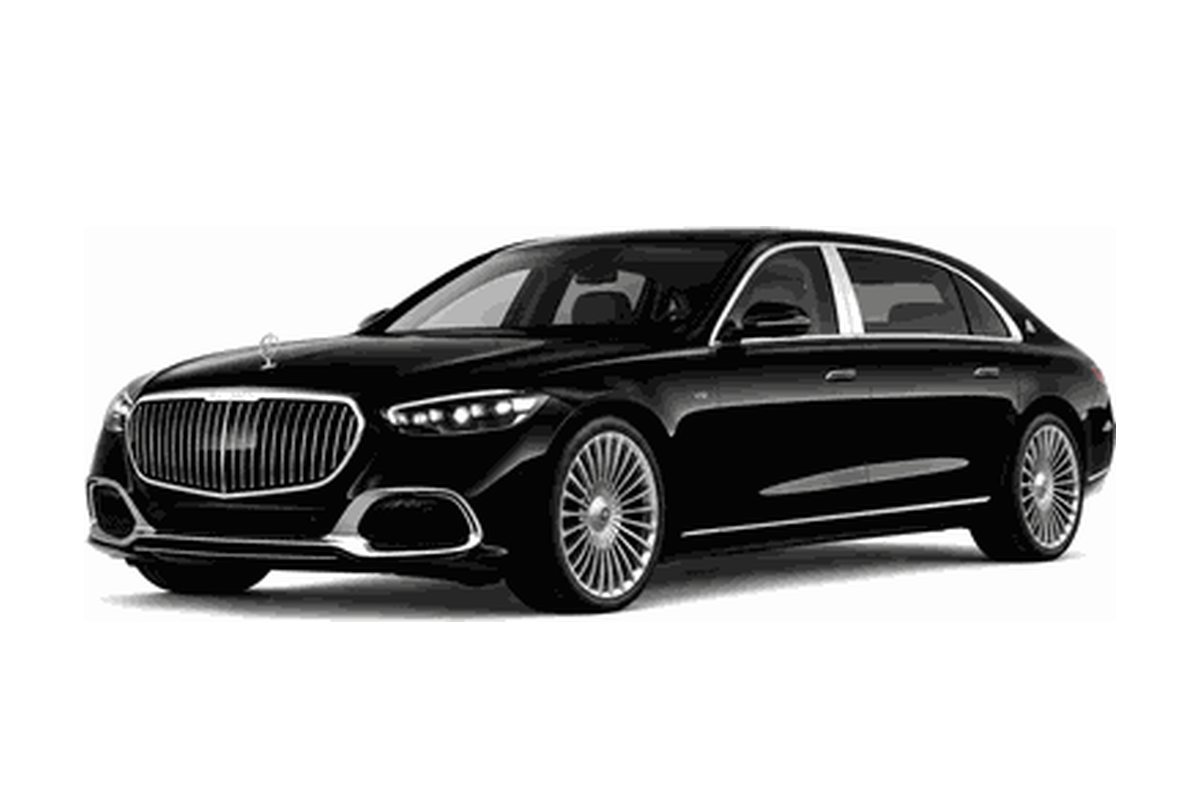
Sedan vs SUV comes down to people, bags and pickup. A sedan suits one to three people on a clear day; an SUV is better for skis, four or five people, rural driveways or a squall forecast. Both our classes run winter tires from November to April, so the difference is clearance, space and traction. A business SUV is $490–565 to Pearson against $380–440 for a sedan.
Sedan vs SUV: which black car should you book for a Simcoe County winter?
The short version of the answer is that most winter trips from Barrie work in either, and the choice is about the passengers and the pickup, not about whether one will make it. A black car service is a late-model vehicle with a professional chauffeur, and our black car service in Barrie page explains the basics. The sedan is the default and the SUV is the step up. This article is about when to take the step.
Four questions decide it: how many people and bags, whether there are skis or hockey gear, where the pickup is, and what the forecast says. Everything below is a way of answering those four.
What does each class carry, and what does it cost?
| Class | Seats / bags | Hourly (3 h minimum) | Within Barrie, minimum | Pearson, one way |
|---|---|---|---|---|
| Business sedan | 3 / 3 | $135–160 | $110–125 | $380–440 |
| Business SUV (four-wheel drive) | 5 / 5 | $175–205 | $180–205 | $490–565 |
| Executive SUV | 6 / 6 | $225–265 | $260–300 | $580–665 |
| First-class sedan | 3 / 3 | $350–410 | $360–415 | $910–1,045 |
All figures are all-in plus HST, with the chauffeur, vehicle, fuel, tolls on the planned route and gratuity included. On trips of 60 km or more the business SUV runs about 1.3 times the sedan, which is where the Pearson figures come from. The reservation engine quotes the exact figure for your address, date and vehicle.
Do winter tires matter more than the badge?
Yes, and it is worth saying first. Ontario's winter driving advice says winter tires improve traction and control in frost, snow and ice, can shorten braking distances by as much as 25 per cent, should never be mixed with other types, and that all-season tires can start to lose grip at about 7 degrees Celsius. It also notes that winter tires could earn a discount on your auto insurance.
Our own sedans, SUVs, vans and Sprinters run on winter tires from November to April, so for our cars the tire question is already answered. If you are comparing with a friend's SUV on all-season tires, the sedan on four winter tires may be the better winter car. Badge and drivetrain come second.
What does four-wheel drive actually do?
In general terms, four-wheel drive helps a vehicle get moving and climb on slippery surfaces, by sending power to more wheels. It does not give extra grip for stopping or steering; tires and speed do those. A four-wheel-drive SUV that drives too fast for conditions is no safer than a sedan doing the same,.
That is general driving knowledge, not a claim about our cars in particular. Our business SUV class is four-wheel drive, and it is the right choice when the start of the trip involves a snowy hill or a deep driveway. For the long, plowed stretch of Highway 400 to Pearson, the benefit is mostly confidence.
When does ground clearance matter?
At the ends of the trip, not the middle. Highway 400 is plowed, but a concession road in Oro-Medonte, a lane in Springwater or a driveway at a cottage can be drifted over after a squall, and a vehicle with more ground clearance copes better. The business SUV's extra height is what you feel at the end of a rural drive.
If your pickup is a downtown Barrie hotel or an office on Bayfield Street, a sedan is fine. If it is at the end of a country lane, a ski chalet on a hill or a cottage off a township road, book the SUV and tell dispatch the address; the chauffeur can plan the approach. Our Horseshoe Valley resorts hotels page covers pickups at the Oro-Medonte resorts.
Which for a clear-day airport run?
A sedan. A solo executive or a couple with two cases flying from Pearson on a dry day is exactly what the business sedan is for: three passengers and three bags, about 97 km, 60–85 minutes, $380–440. The SUV's premium buys space and traction you will not use. Our Barrie to Pearson route page has the timing by hour.
The sedan stops being the right answer when the bags exceed three, when the passengers exceed three, or when the weather turns. Our post on luggage limits explains how to count.
Which for a ski day?
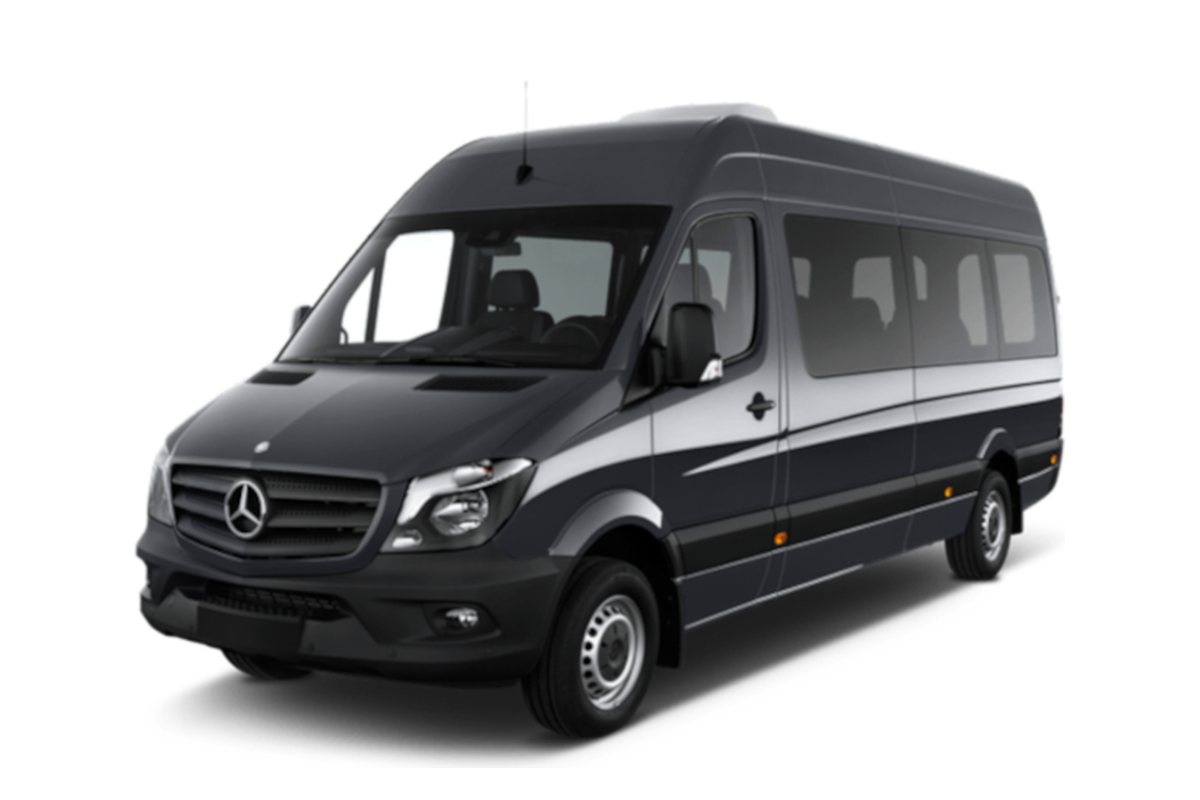
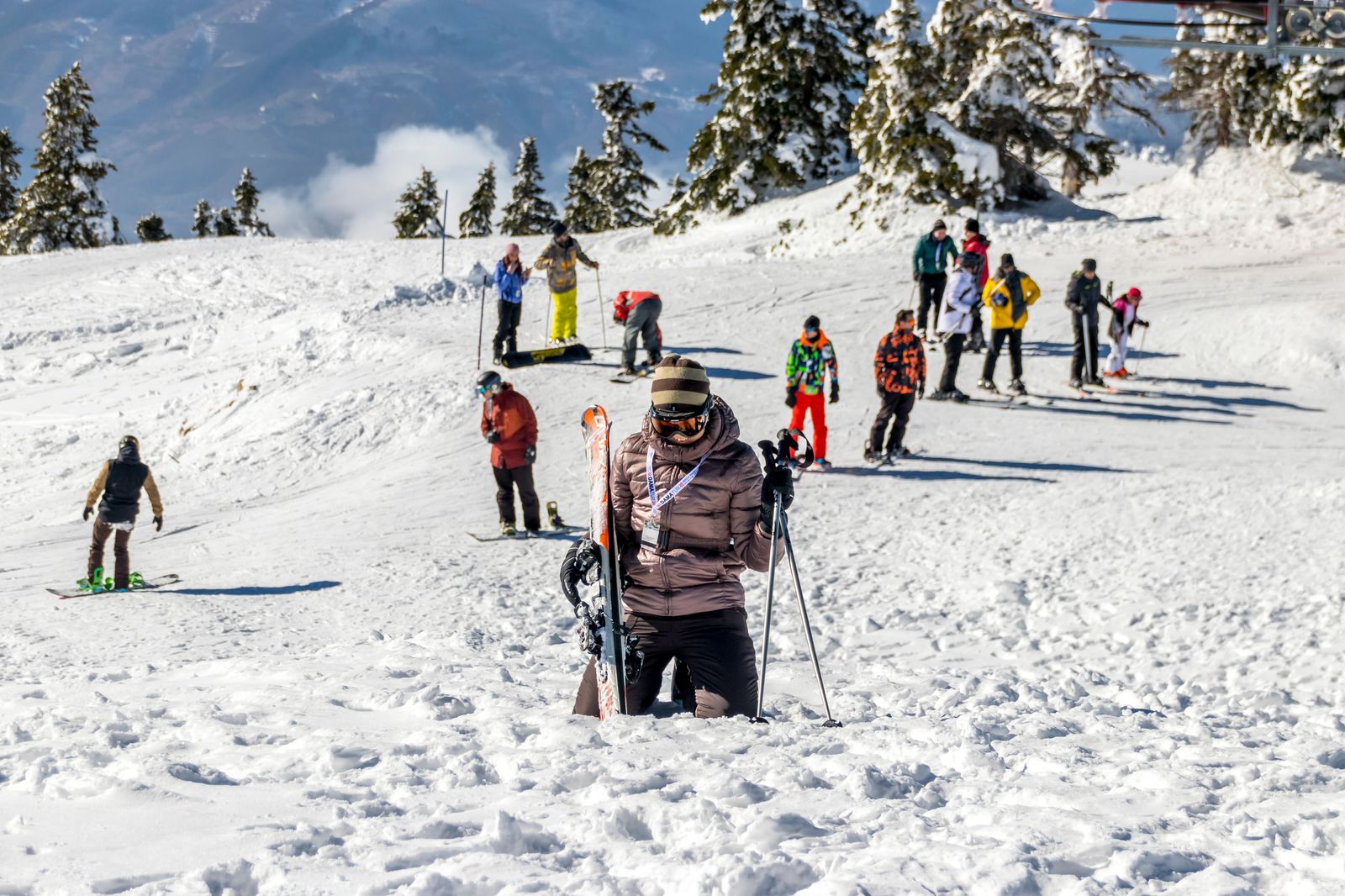
An SUV, a van or a Sprinter. Skis and snowboards travel inside, not in a sedan trunk, and boots add to the count. Blue Mountain Village is about 66 km and 60–70 minutes from downtown Barrie, with a business sedan at $300–345 one way and a business SUV at $400–460. Casino Rama is 47 km and 35–45 minutes, sedan $230–265, SUV $300–345.
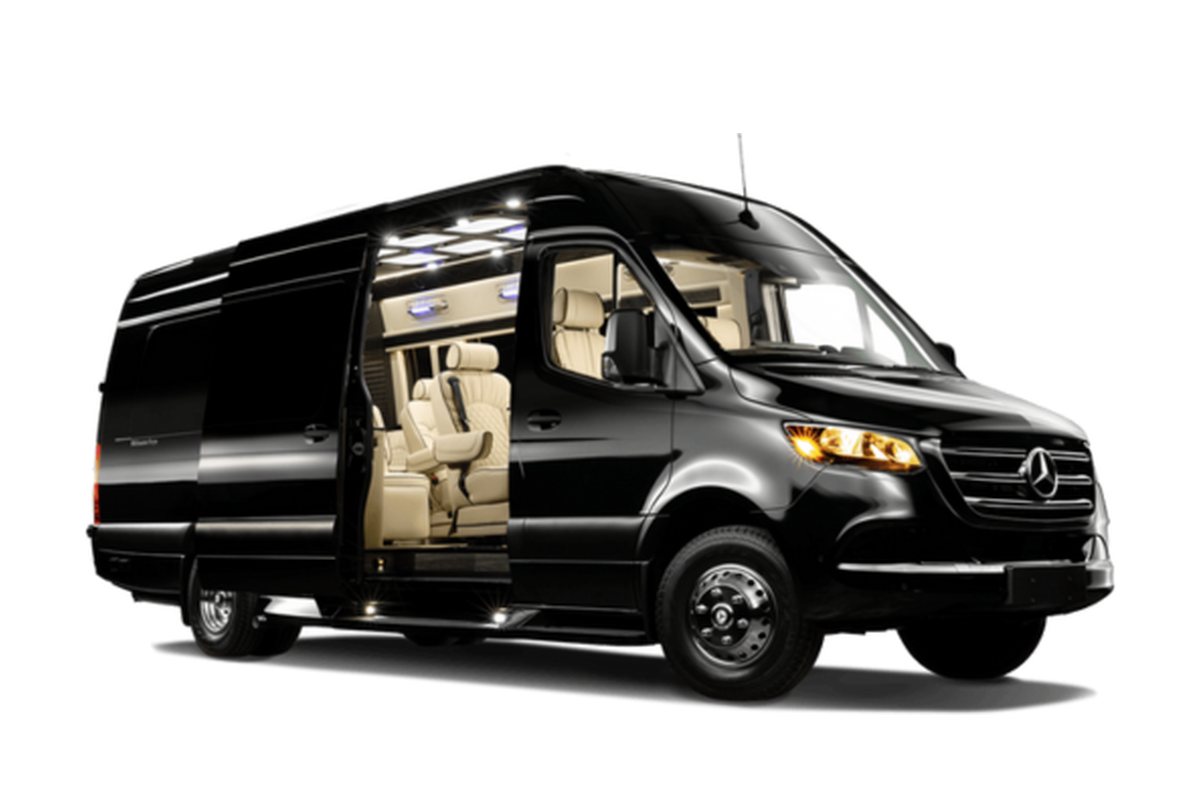
Four skiers with gear want an executive SUV or a Sprinter; a couple with skis fits a business SUV. Our travel desk can add a resort stay. Horseshoe, Snow Valley, Hardwood and Mount St. Louis Moonstone are closer. See our ski resort transfers page and the ski season post.
Which for a squall forecast?
The SUV, with the caveat that timing matters more. Barrie is in Ontario's snowbelt, and lake-effect squalls can slow or close Highway 400 between Barrie and Highway 89 with little warning from November to March. When one is forecast, dispatch will suggest an SUV and an earlier pickup, and tell the booker why. The fare for the class does not change with the weather.
An SUV in a whiteout is still a vehicle in a whiteout. The best protection is leaving before the squall, not driving through it. Environment Canada issues the warnings and Ontario 511 shows the cameras. Our winter driving tips post and the Highway 400 winter travel guide go into it.
Which for an older passenger or someone with limited mobility?
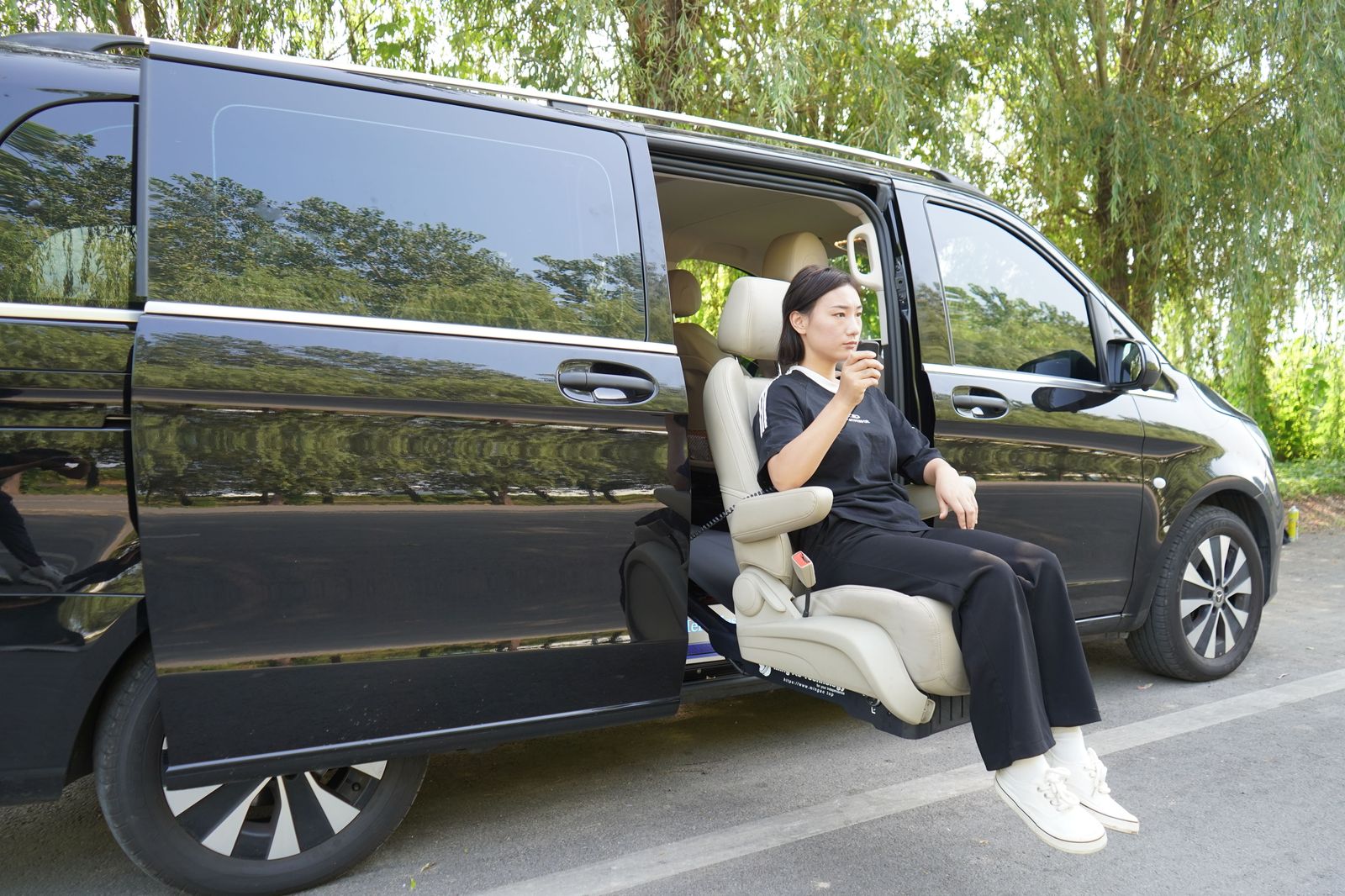
Not always the SUV, which has a higher step. A sedan has a lower seat and an easier slide in and out, and a luxury minivan has a low step and a flat floor, with sliding doors. For a passenger who needs a wheelchair or scooter, a wheelchair-accessible vehicle is available if you book in advance and describe the equipment.
The right answer depends on the person. Tell dispatch about any step, stair or mobility concern at the pickup and drop-off, and we recommend the class on that basis. Our medical appointments page covers hospital and clinic runs.
Which for a family?
An executive SUV or a luxury minivan. Six seats and six bags, plus child seats from $25 each added at booking, cover most families. A luxury minivan is quoted by the engine, and takes three child seats across the rear rows without a wrestle. A family of four with two large cases and two car seats might manage in a business SUV, but a week's luggage means the bigger class.
Which for a winter day of meetings?
A first-class sedan or a business SUV, depending on the pickups. A first-class sedan at $350–410 an hour is the quietest working back seat we dispatch, and is fine in snow on winter tires. A business SUV at $175–205 an hour is the practical choice for a day that includes a plant visit down a rural road. Our executive limo page explains the first-class sedan, and the hourly chauffeur service page explains the clock.
Which for a night at Casino Rama or a Colts game?
The trip out is usually in daylight or early evening, and the trip home is the one to plan, because temperatures fall after dark and wet roads can freeze. Casino Rama is about 47 km and 35–45 minutes from downtown Barrie, and for a couple a sedan at $230–265 is a comfortable car. For a group of four or five heading to a Casino Rama night, a business SUV at $300–345 carries everyone in one vehicle.
A Colts night at Sadlon Arena is a short in-town hop, where the sedan minimum of $110–125 compares with $180–205 for the SUV. For two people going across town, the sedan is the sensible class. For a family with hockey bags and skates, which count as more than a case each, the SUV is. Alcohol is not allowed on board, so the whole point of the car is that nobody drives home.
Is the SUV worth the upgrade just for peace of mind?
Sometimes it is, and the arithmetic is modest. On the Pearson run the business SUV costs about $110–125 more than the sedan each way; on Blue Mountain it is about $100–115 more; on Casino Rama about $70–80 more. If the forecast is poor, the bags are many or the pickup is rural, that is a reasonable price for room and traction. If the day is clear and two people are travelling light, it buys nothing you will use.
The most useful step is to ask. Tell dispatch the route and the forecast you are looking at, and we will say honestly whether the sedan is fine.
What does dispatch do on a bad-weather morning?
It reads the forecast and Ontario 511 before releasing a car, and when lake-effect snow is expected it may propose an earlier pickup or an SUV, and tell the booker. If a closure threatens a flight, dispatch tracks it, re-plans the route and keeps you informed. Flights are tracked, so a delayed aircraft changes the pickup. We cannot reopen a road, but we can leave earlier.
What should passengers wear and bring?
Dress for the walk to the car and the walk from it, not for the cabin, which is heated. Boots, gloves and a hat are for the curb; ski boots go in their own bag. Keep medication, phone and charger in a bag you hold. Alcohol is not allowed on board in any vehicle, so après-ski happens at the resort, and the chauffeur drives you home.
How do I book and change the class?
Use the reservation engine and choose the class that fits the passengers, bags and pickup. Changing it early is free: cancellation is measured from the scheduled pickup, with no charge more than 72 hours before, 10 per cent at 72 hours or less, 50 per cent at 48 hours or less, and 100 per cent at 24 hours or less or for a no-show. If the forecast turns, call dispatch and we move you to an SUV where one is available.