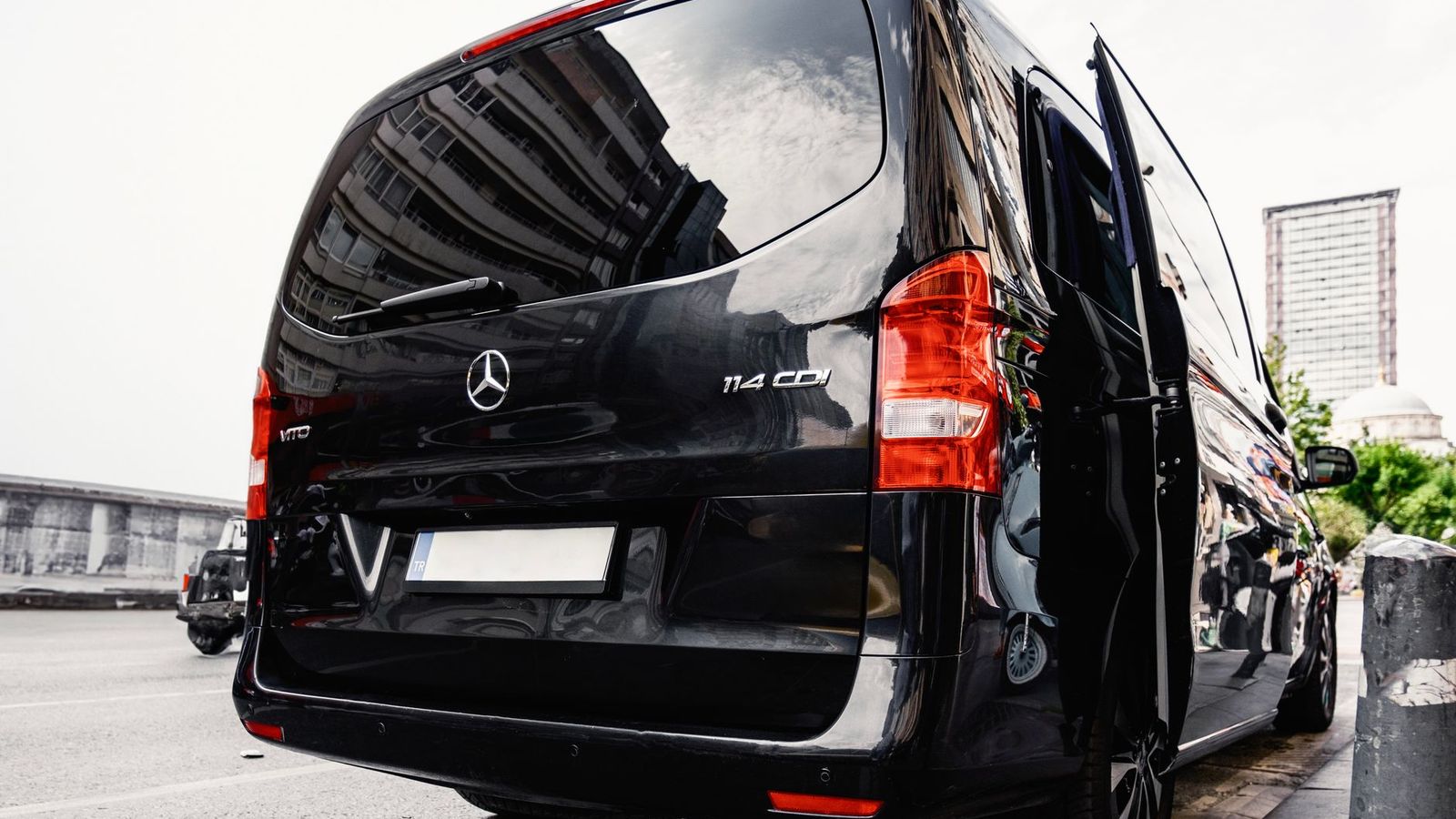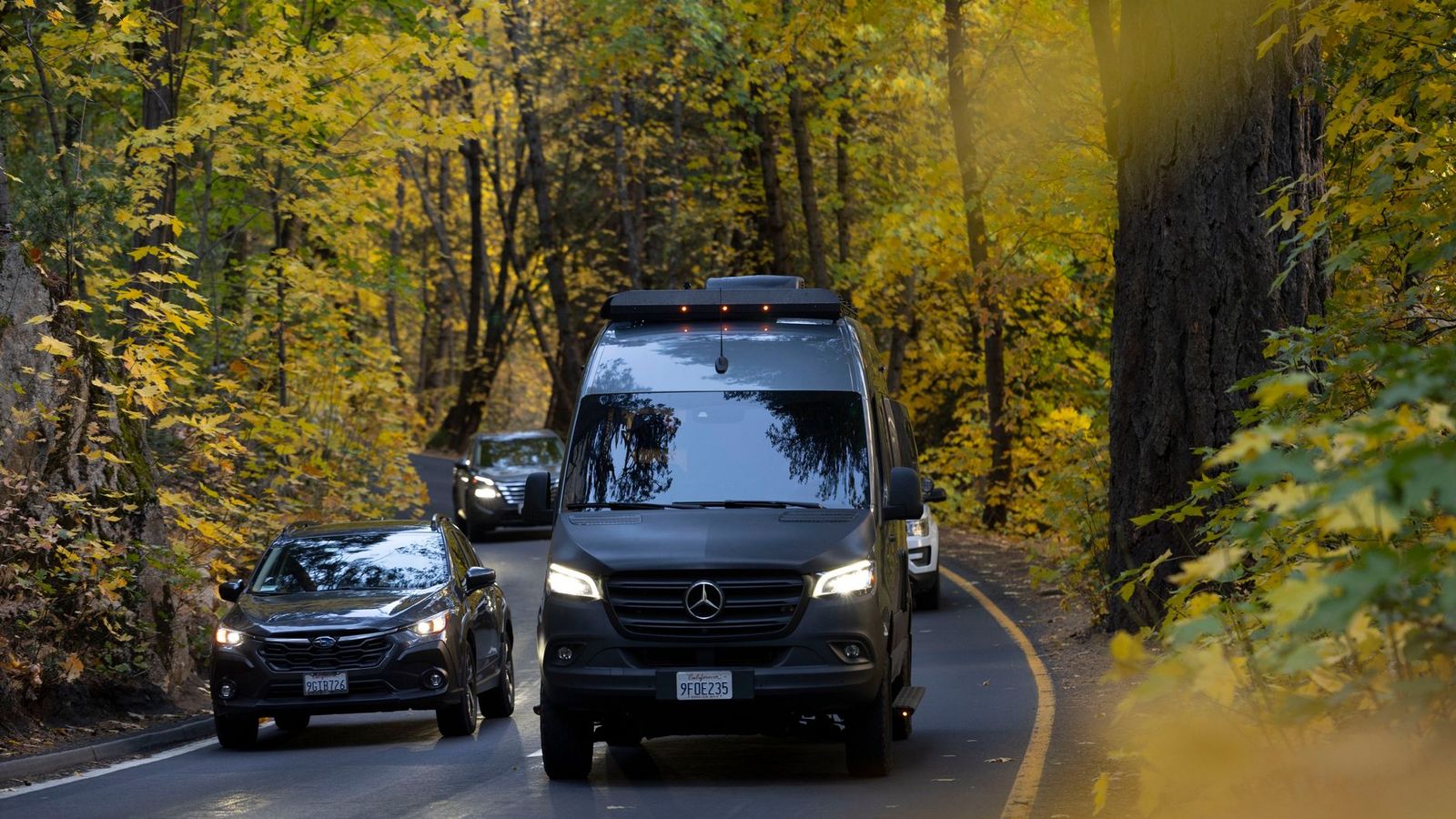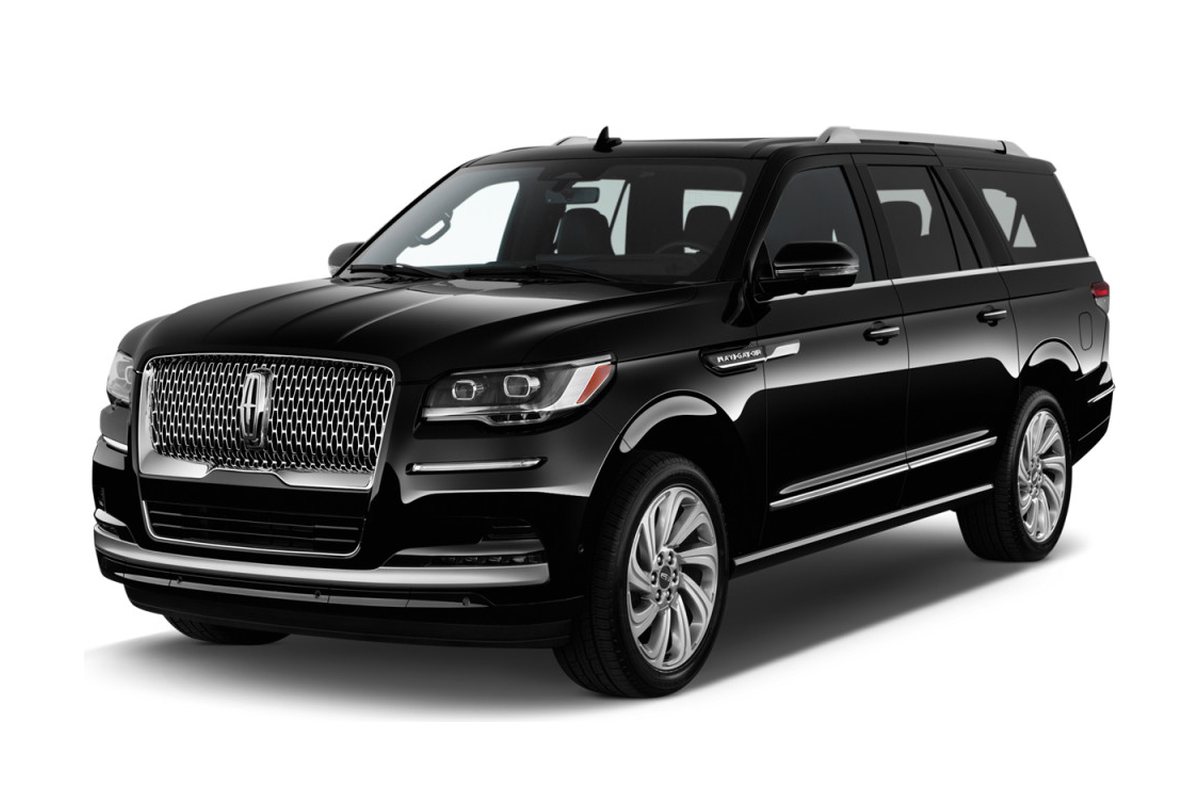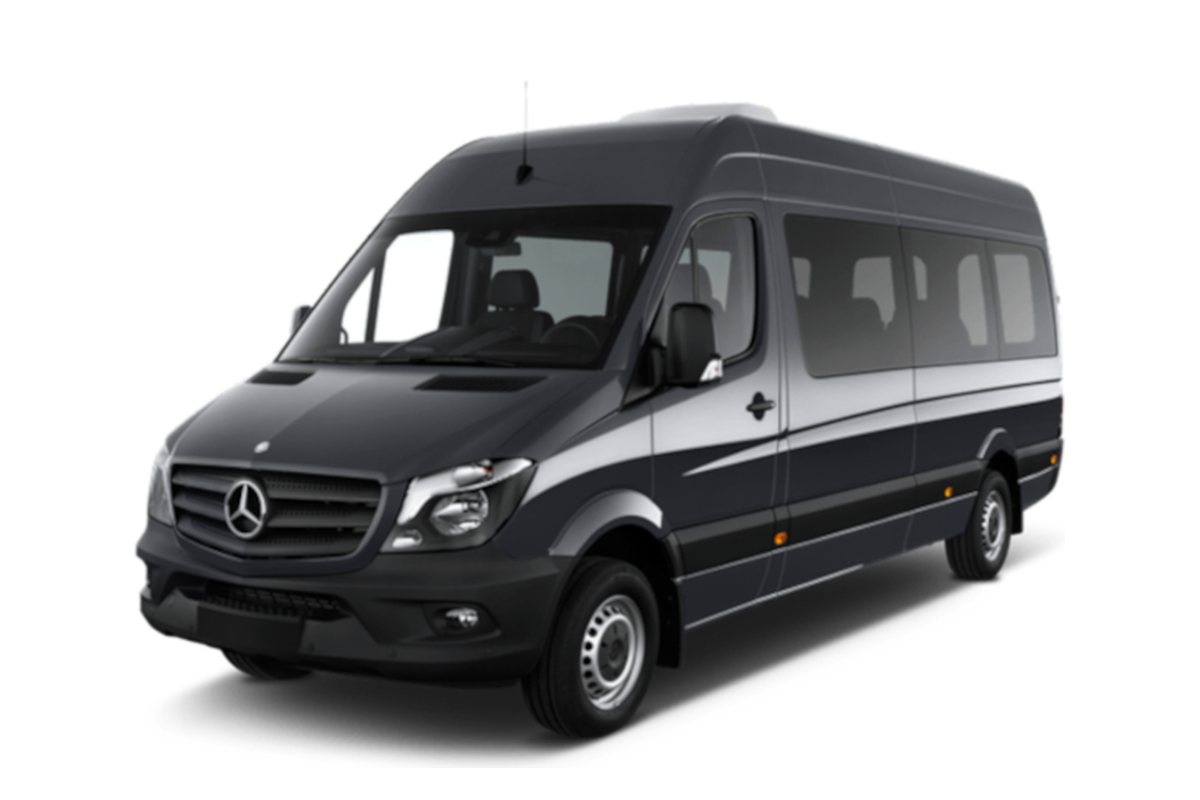
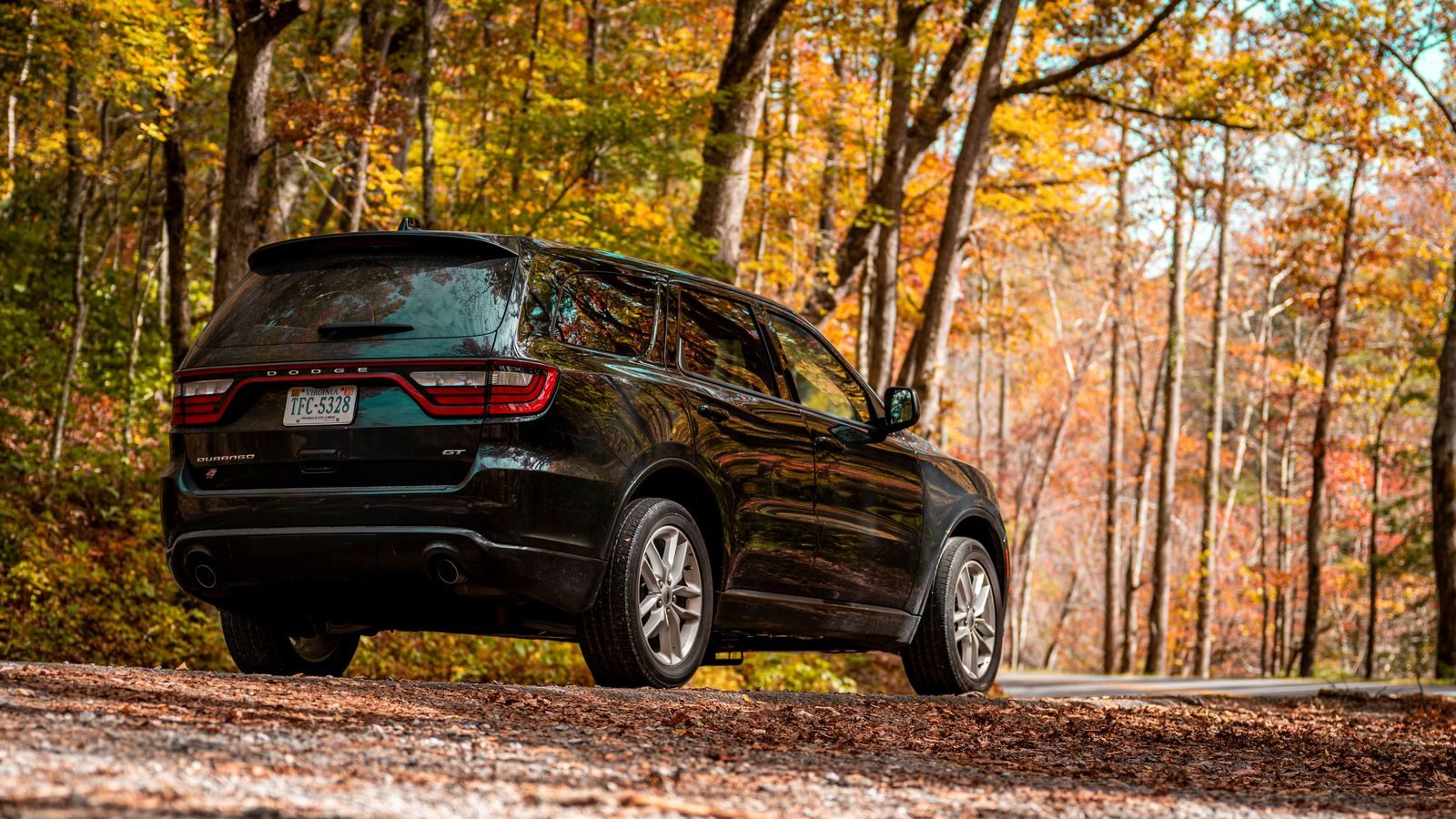
Filming in Barrie and Simcoe County needs people moved on the call sheet's clock, not a taxi's. We run chauffeured passenger vehicles by the hour: business SUVs at $175–205 an hour for cast and producers and 14-seat Sprinters at $475–550 an hour for crew, each with a 3-hour minimum, all-in plus HST. We drive people, not equipment. Single cars book on the engine; multi-vehicle days are priced in writing.
What does filming in Barrie look like from the transport side?
Film is a business of fixed moments and unpredictable gaps. The call is at 5:30, the light goes at 4:45, and between them a hundred people have to arrive, move, eat and leave. Our film production transport page sets out the service and the hourly ranges. This article takes the view from the transportation captain's desk: where Simcoe County fits as a location, how far the places on a location list actually are, and what a day of shuttles and talent cars looks like when it is planned properly.
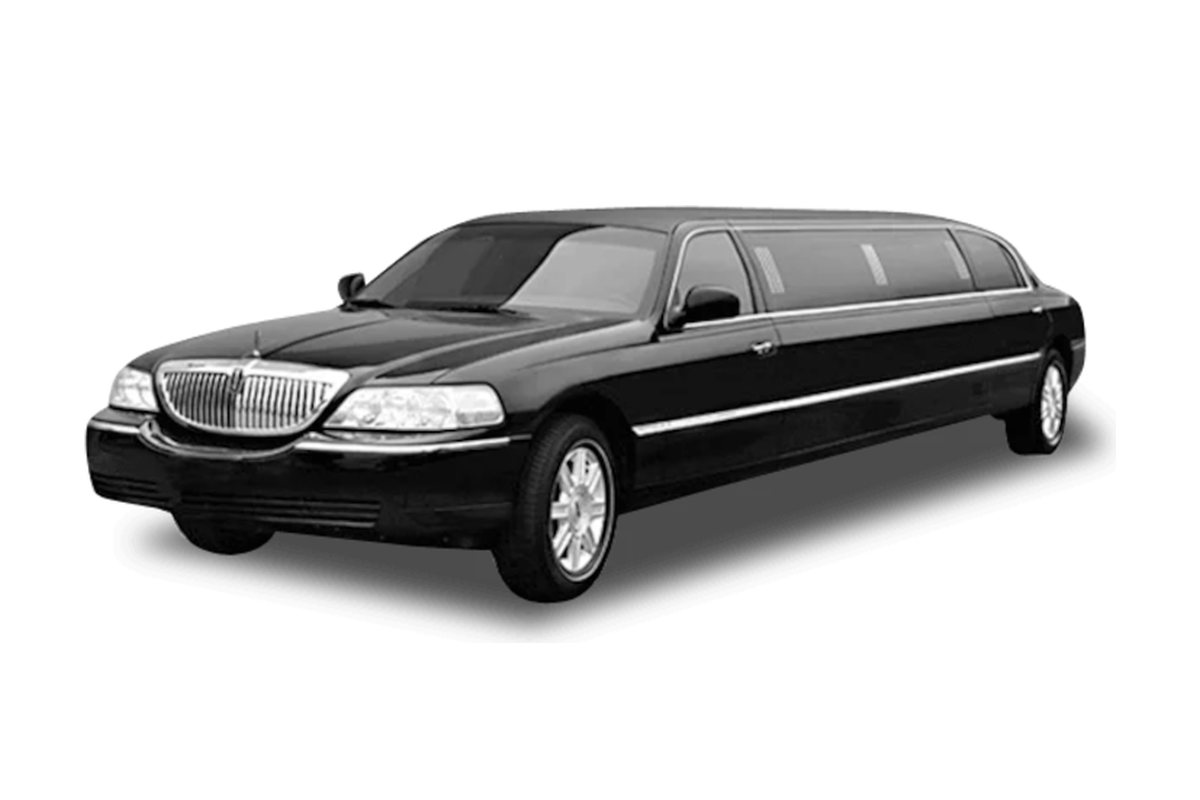
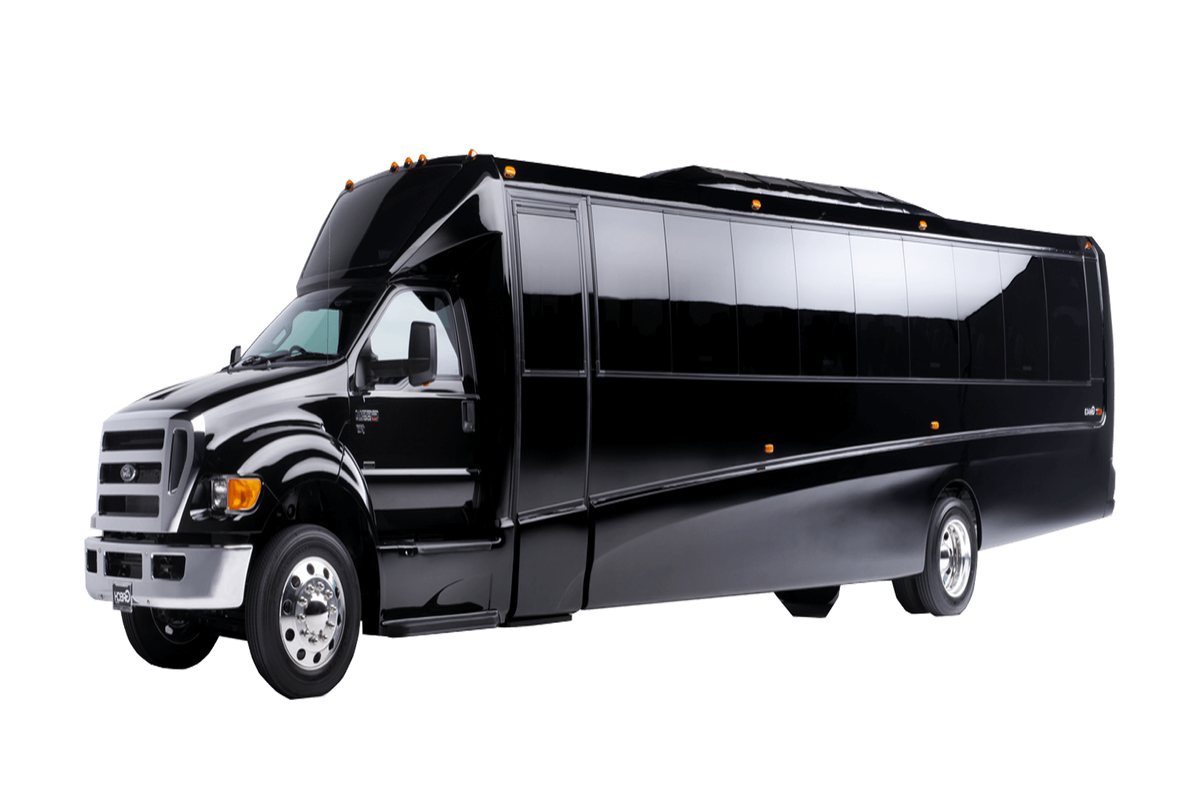
Scope first, so nobody is surprised. BarrieLimo.net provides chauffeured passenger transportation, black sedans, SUVs, luxury vans and Sprinters, each with a professional chauffeur. We do not supply trailers, honeywagons, cube trucks, camera cars or self-drive vehicles.
Why is Simcoe County a working film location?
Simcoe County is already on the production map. Tourism Simcoe County publishes a Film Industry Toolkit for property owners and vendors, which points to the provincial Ontario Locations Library, a database of more than 8,000 sites across the province, and lists municipal film liaison contacts across a dozen or more of the county's municipalities. The toolkit cites a 2025 Netflix production, Finding Her Edge, that filmed across Orillia, Barrie and Wasaga Beach.
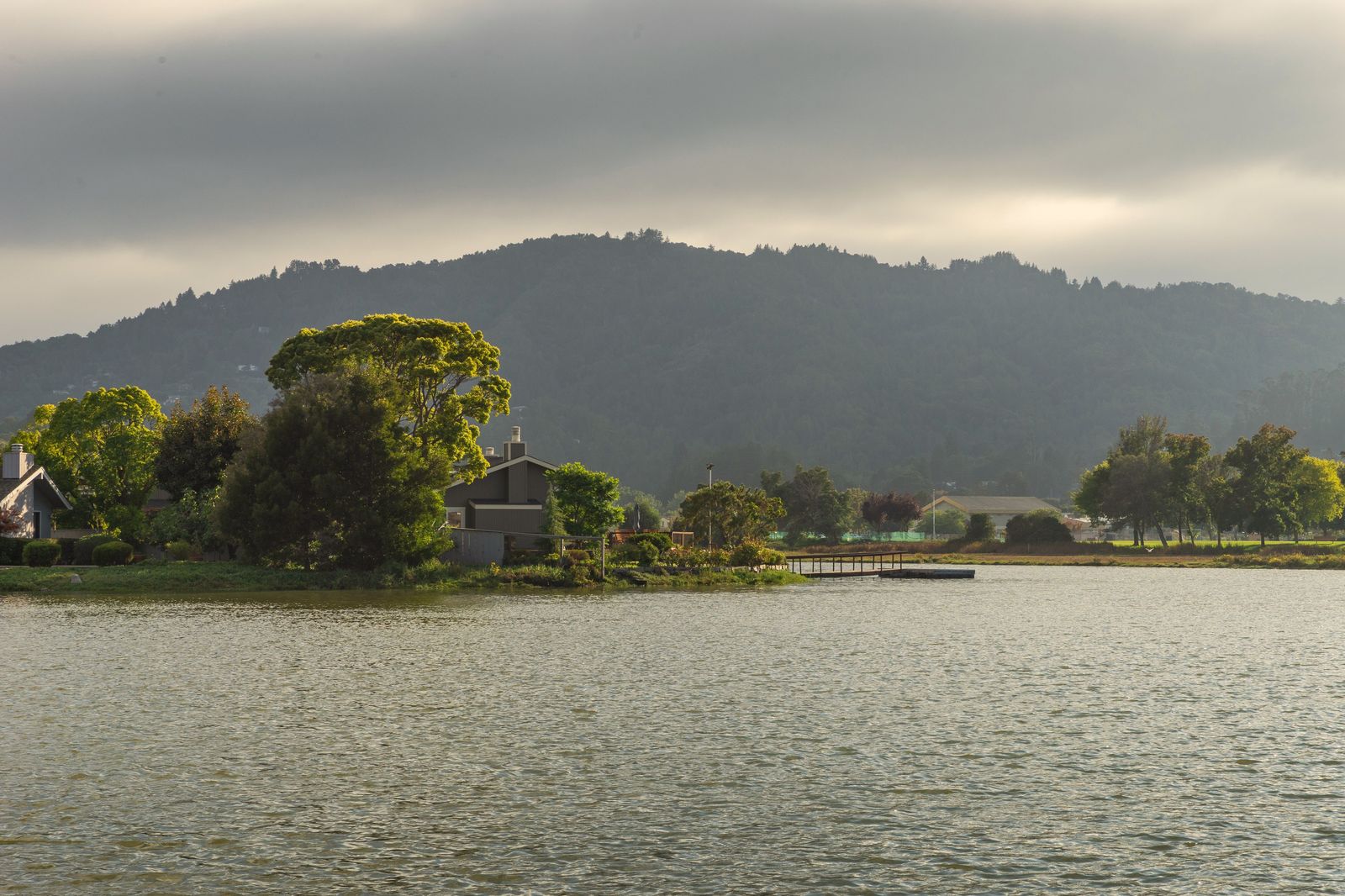
That mix is typical of the region: a waterfront city, downtown streets, small-town main streets, beaches, farmland and ski country within an hour of each other. It is also why productions end up needing a base in Barrie and locations scattered over 40 or 50 km, which is exactly the geometry that makes a chauffeured fleet useful.
Who handles permits, and where do we fit?
Permits are the municipality's business, and we are not affiliated with any of them. The City of Barrie's film permits page asks anyone planning to film in the city to contact its Special Events Office first, where staff provide information about locations, permits and other requirements. Other municipalities in the county have their own liaisons, listed in the county toolkit, and the Ontario Film Commission, a division of Ontario Creates, offers location scouting and production consultation through its Film in Ontario pages.
Where we fit is after the location is confirmed. Once the unit knows where it is shooting, the transportation captain tells us who goes where and when, and the chauffeurs run that part of the plan. We cannot advise on permits, parking permissions or road closures; we can tell you how long the drive is.
How far is each location from a Barrie base?
Many crews stay in Barrie and drive out. These are one-way business-sedan planning figures from downtown Barrie, all-in plus HST; larger vehicles are quoted by the engine for trips under 60 km. The distances are what you should plan the call-time arithmetic around.
| From downtown Barrie to | Distance and time | Business sedan, one way |
|---|---|---|
| Innisfil | 15 km, 15–25 min | $150–170 |
| Angus / CFB Borden | 20 km, 20–30 min | $165–190 |
| Oro-Medonte | 25 km, 20–30 min | $180–205 |
| Orillia | 38 km, 30–35 min | $215–245 |
| Wasaga Beach | 40 km, 35–45 min | $225–260 |
| Midland / Penetanguishene | 50 km, 40–50 min | $250–290 |
| Collingwood | 57 km, 50–60 min | $275–315 |
| Union Station / downtown Toronto | 114 km, 75–105 min | $420–485 |
Look at the Toronto row. Crews that live in Toronto and shoot north of Barrie face the reverse of this table every morning, which is where a standing Sprinter loop earns its place on a budget.
What does a call-sheet day look like for the transport desk?
An illustration, not a client story: a drama shooting at a location near Orillia, with the unit based in Barrie hotels. Hourly vehicles run from the first pickup to the last drop.
| Time | Movement | Vehicle |
|---|---|---|
| 4:15 am | Lead cast collected from a Barrie hotel for a 5:45 call | Business SUV |
| 4:45 am | First crew shuttle loop from the hotel to base camp | Sprinter |
| 5:15–6:45 am | Parking shuttle loops, crew lot to set | Sprinter |
| 12:30 pm | Company move to the second location | Sprinter |
| 2:30 pm | Visiting executive collected from Lake Simcoe Regional Airport | Business sedan |
| 7:00 pm | Wrap, shuttle back to the lot and hotels | Sprinter |
| 7:45 pm | Lead cast returned to Barrie | Business SUV |
The shape matters more than the times. Two vehicle types, one dispatch desk, and every movement tied to the call sheet. When the schedule changes the night before, the transportation captain sends one revised sheet, not seven phone calls.
How do crew parking shuttles work?
Most location shuttles exist because the location cannot hold the cars. A farm lane, a residential street or a municipal car park may have room for the trucks and nothing else, so crew park at a designated lot and a Sprinter loops between lot and set. A 14-seat Sprinter moves up to fourteen people per loop, so a 60-person arrival wave is about five loops, plus the time to load and the time to drive.
The sums that matter are the lot-to-set time and the arrival window. A 10-minute run each way and a 90-minute window is comfortable for one Sprinter on a small unit and thin for a large one. Tell us the numbers and we say honestly whether one vehicle is enough. At $475–550 an hour with a 3-hour minimum, a second Sprinter is a decision to make on arithmetic, not hope. Our Sprinter group transportation page has the seating and bag details.
Who gets a car and who gets a Sprinter?
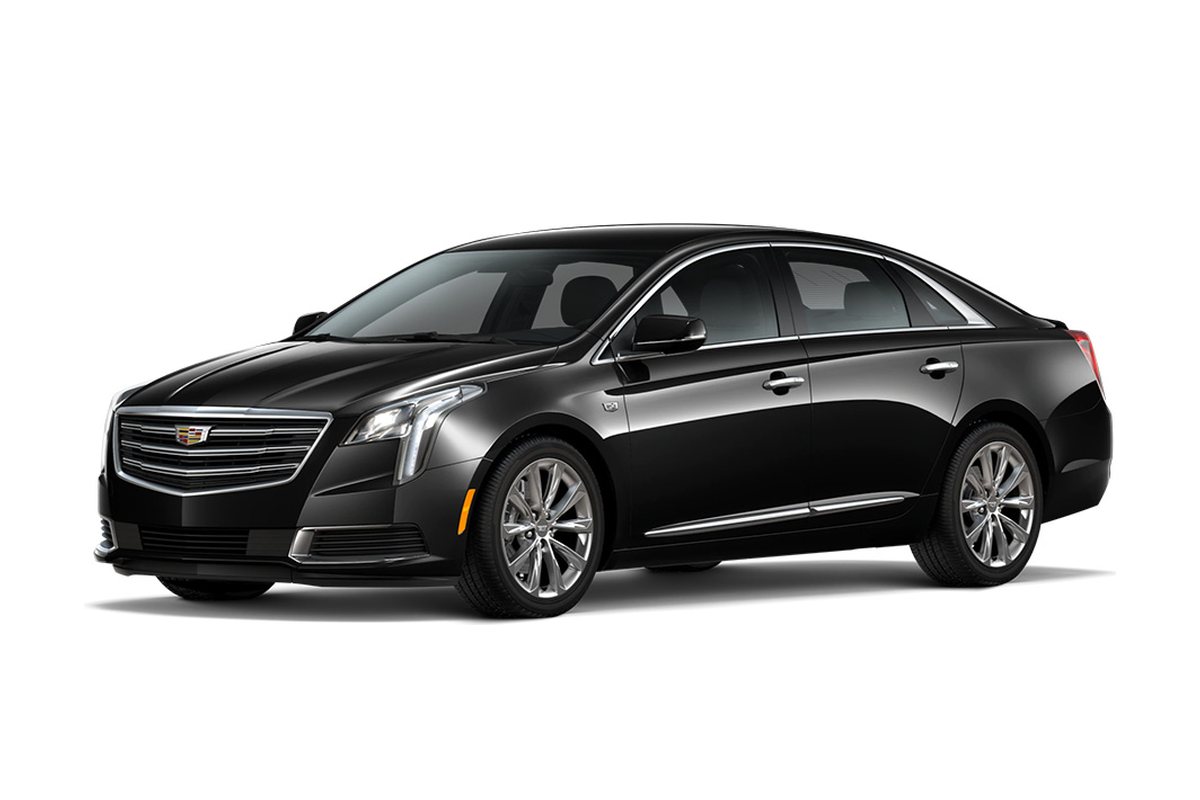
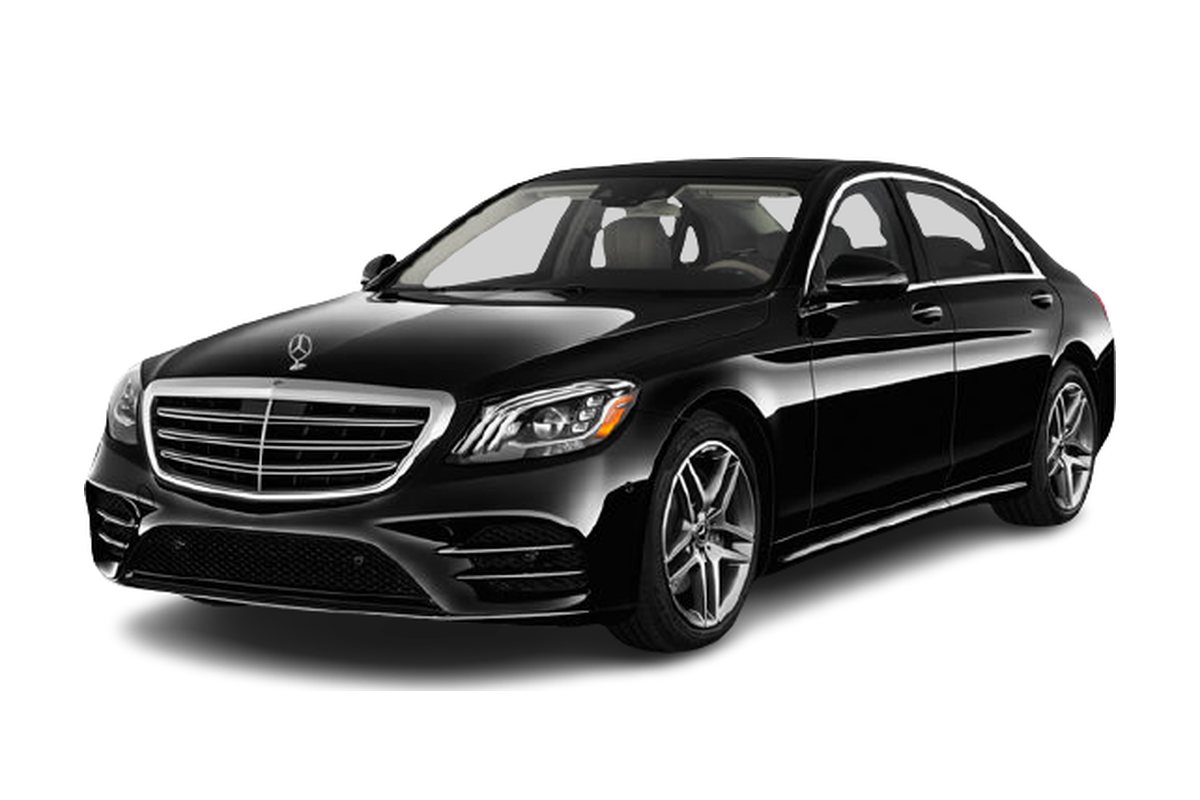
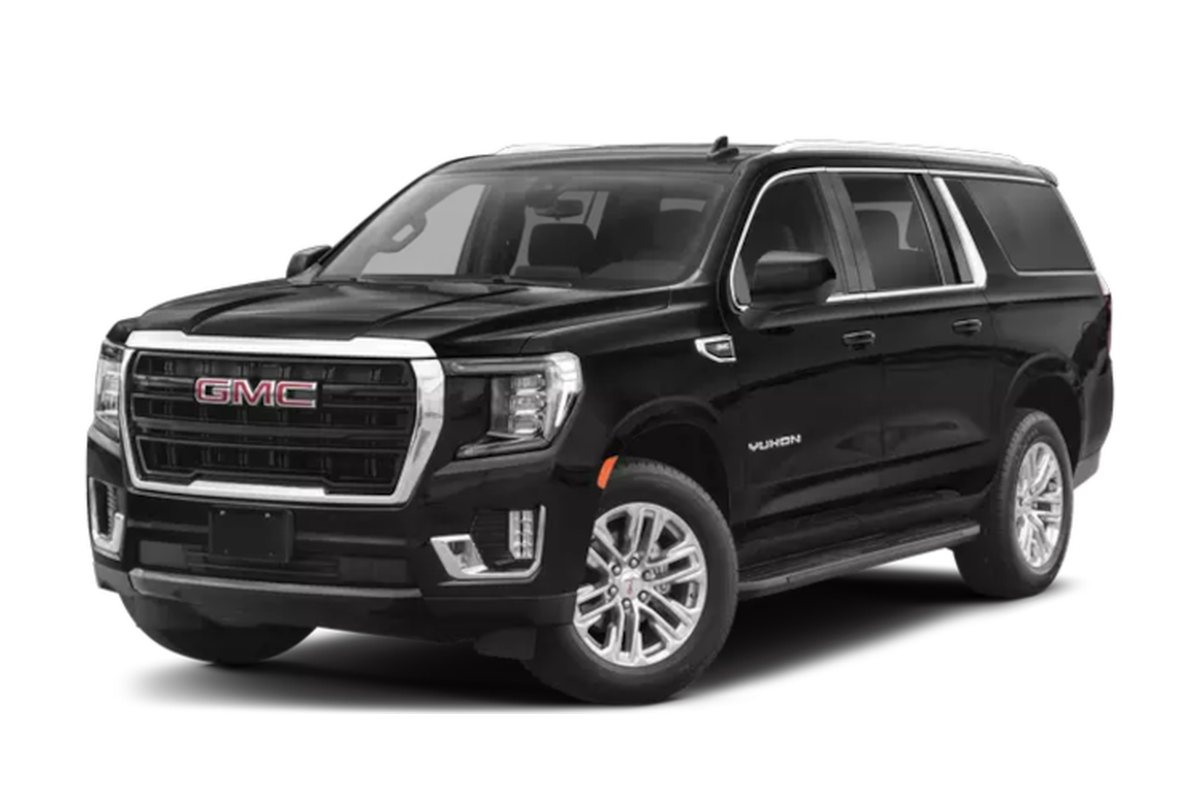
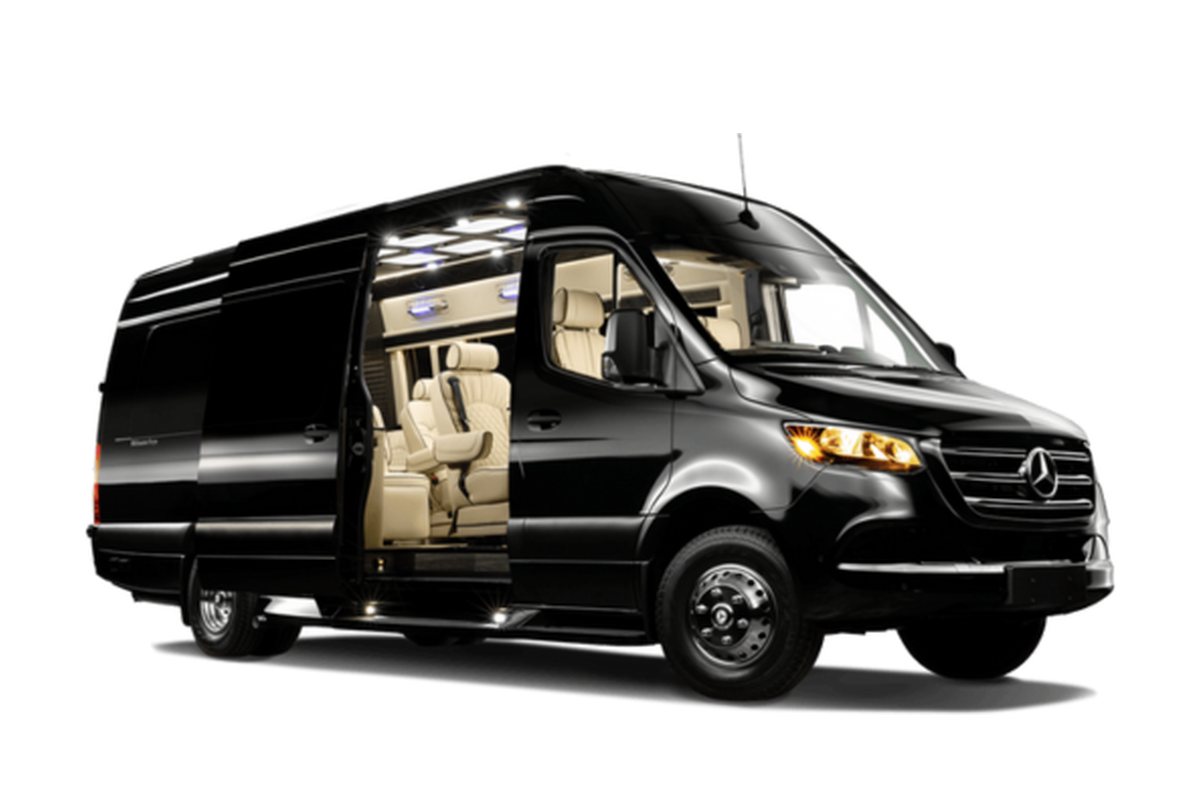
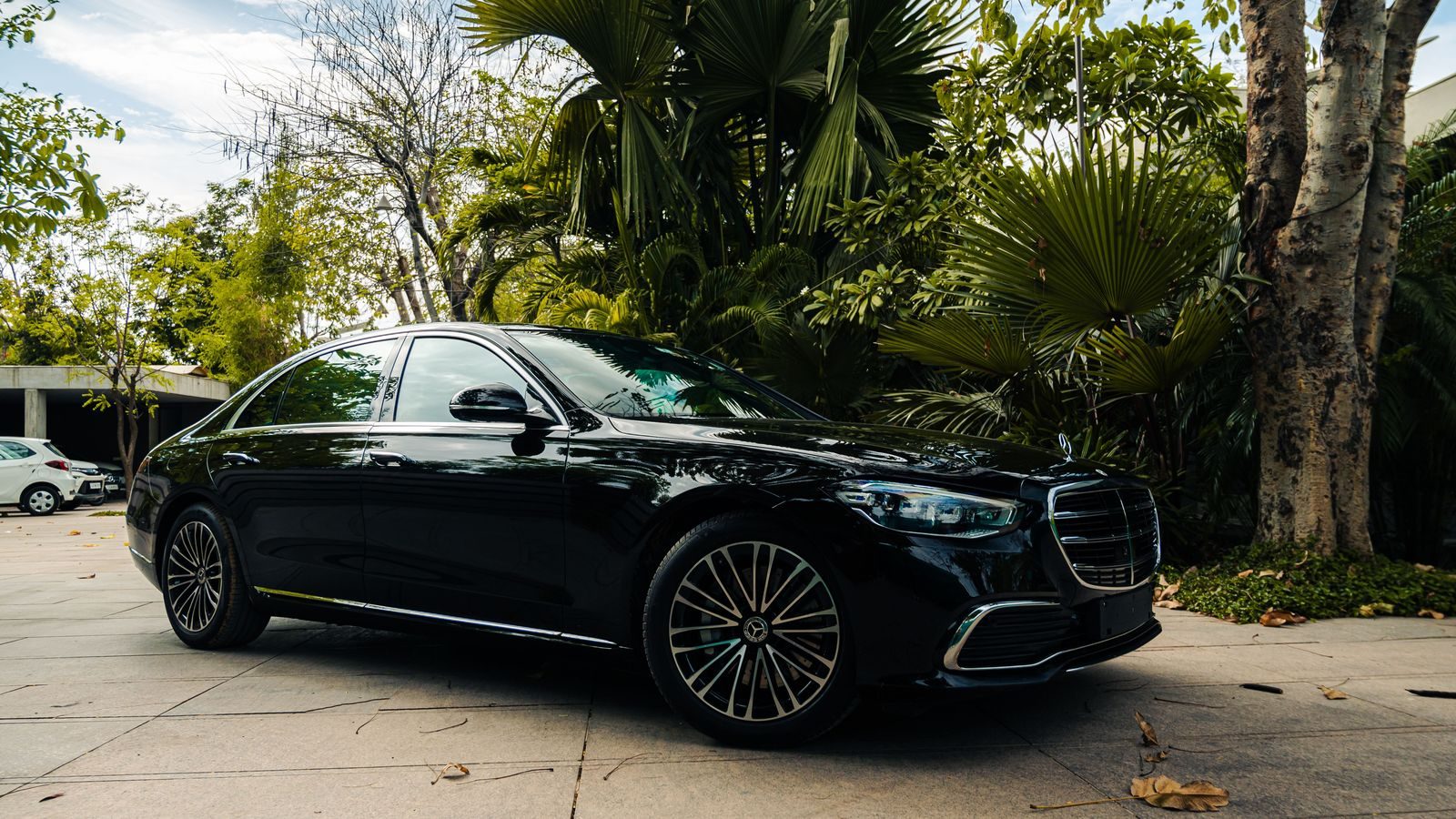
The usual split follows the hierarchy of a unit and the practicalities of wardrobe. Producers and directors are one or two to a business sedan at $135–160 an hour. Principal cast, travelling with wardrobe cases or a personal assistant, take a business SUV at $175–205 an hour, or an executive SUV at $225–265 for up to six. A studio executive or premium guest takes the first-class sedan at $350–410. Department crew move in Sprinters. For a leadership group of up to seven who need to talk through a day, the Jet Sprinter has lounge seating and tables at $650–750 an hour.
All of these are hourly planning ranges, all-in plus HST, with 3-hour minimums and extra time in 30-minute blocks; the reservation engine quotes the exact figure.
How do you move talent without a crowd?
Discretion is the product. Vehicles are black and unbranded, chauffeurs do not discuss passengers, and a pickup can be arranged at an agreed point rather than the front door. The booking can be restricted to the transportation captain or coordinator, and passenger names can be kept off any signage.
If a production wants a confidentiality agreement with drivers, ask before the booking is confirmed rather than on day one. Our post on NDA and privacy protocol for VIP transportation explains what we can and cannot promise.
What about child performers, animals and accessibility?
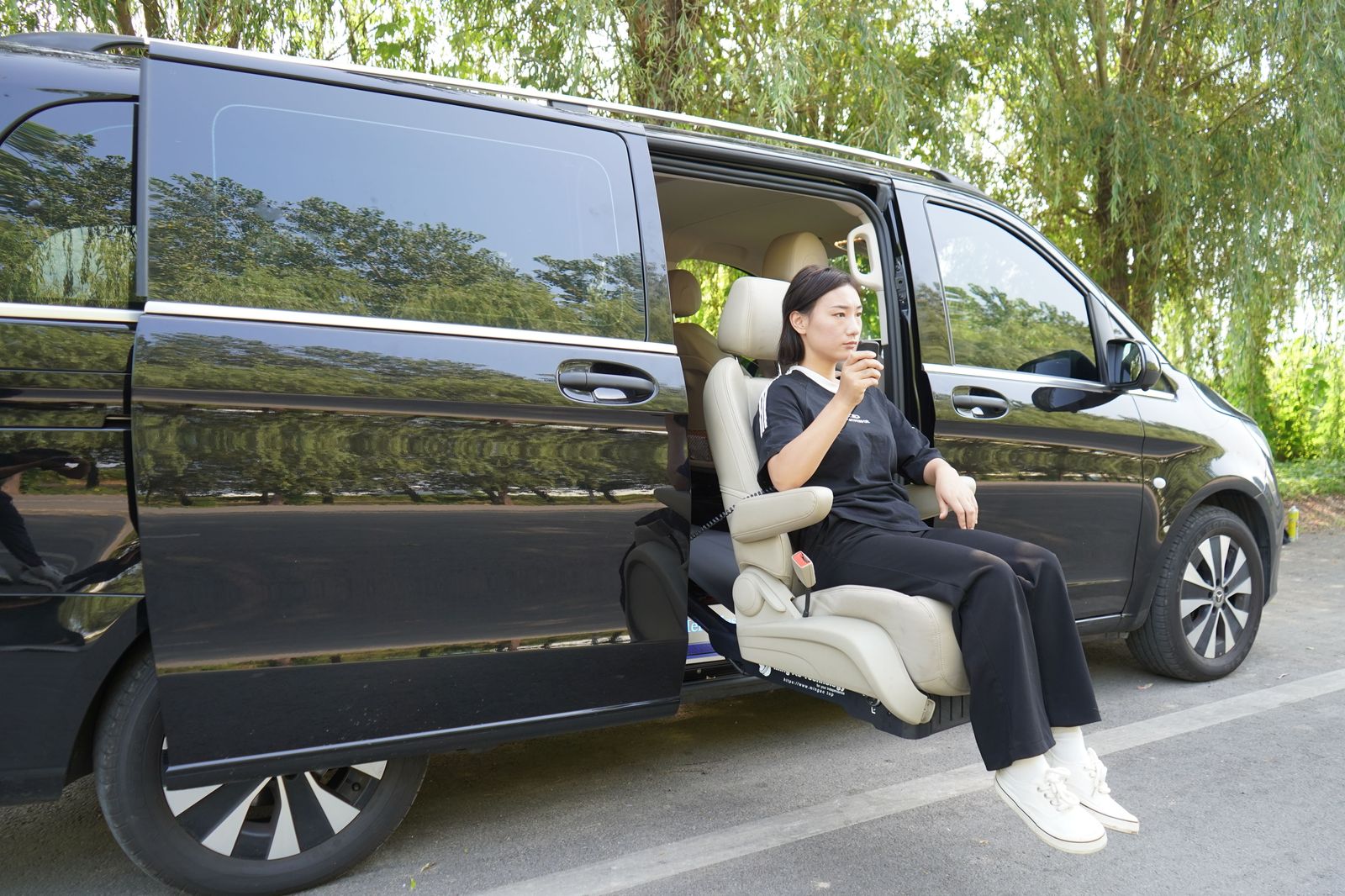
Child seats for infants, toddlers and boosters are available on request from $25 each, added at booking; Ontario's guidance on choosing a child car seat explains which stage suits which child. Animals are not allowed in vehicles without prior approval, which means asking at booking and waiting for written confirmation; service animals are welcome and should be mentioned. A wheelchair-accessible vehicle is available if you book in advance and tell us about the wheelchair or scooter.
Alcohol is not allowed on board in any of our vehicles, wrap day included. The wrap party is at the venue, and the car takes people there and home.
How do early calls and late wraps work?
Dispatch runs every hour of the year, by phone, chat or WhatsApp, so a call-time change at 9 pm is a message rather than a crisis. For long days a second chauffeur can be arranged, so that the driver at wrap is not the one who started at 4 am. Overnight trips with the chauffeur staying over are arranged at booking.
Tell us the earliest pickup and the latest realistic wrap when you book. The finish time decides the hours, and the hours decide the bill.
What does winter do to a location day?
Barrie is in Ontario's snowbelt. Lake-effect squalls can slow or close Highway 400 between Barrie and Highway 89 with little warning from November to March, and county roads that look fine on a map can drift over. A 40-minute run in July can double on a squall day.
Dispatch watches Ontario 511 before releasing cars in squall season, and early calls get extra time. Business SUVs are the sensible vehicle for talent on a snow day; a Sprinter loop is the sensible vehicle for crew when parking is distant. Our Highway 400 winter travel guide explains the pattern, and our winter driving tips post covers what good winter driving looks like.
And summer weekends?
From Victoria Day to Thanksgiving, cottage traffic loads the Highway 400 and Highway 11 northbound on Friday afternoons and southbound on Sunday afternoons, worst on long weekends. Locations in Wasaga Beach, Collingwood and Muskoka are the most exposed. If a unit move or a talent return falls on a Friday afternoon or a Sunday evening, plan the top end of the drive times, not the bottom.
Where do cast and crew stay, and how do they arrive?
Hotel pickups are covered on our Barrie hotels and Horseshoe Valley resorts pages. We name hotels only where we have verified them and imply no partnership.
For arrivals from out of province, one-way planning fares from Toronto Pearson to downtown Barrie, about 97 km and 60–85 minutes, run business sedan $380–440, business SUV $490–565, executive SUV $580–665 and Sprinter $1,390–1,600. Flights are tracked; included waiting is 30 minutes for Canadian domestic and US flights and 60 minutes for other international arrivals; curbside pickup at the commercial pickup area is included, and a name-board meet and greet is an optional add-on. For talent flying privately, Lake Simcoe Regional Airport is about 18 km and 20–25 minutes from downtown Barrie, sedan $160–185; see private jet transfers at Lake Simcoe Regional and the airport's own site for what it offers.
How does a production track the cost?
The fare shown by the reservation engine is fixed and all-in: chauffeur, vehicle, fuel, tolls on the planned route, airport fees and gratuity, with HST shown separately. For an account, the confirmation can carry a booking reference of your choosing, which on a production is simply a project or department code. Hourly bookings make the cost a function of the schedule, and the schedule is the call sheet.
Cancellation follows the standard schedule from the scheduled pickup: more than 72 hours before, no charge; 72 hours or less, 10 per cent; 48 hours or less, 50 per cent; 24 hours or less or a no-show, 100 per cent. Shoot dates move, so tell us as soon as one does.
How do we book transport for a shoot?
For a single car, use the reservation engine. For a production with several vehicles, send a coordinator the call sheet, a passenger list with pickup points, the airports and arrival times, the locations and the start and wrap times, and one named contact who can change the plan on the day. A written plan and price come back, and our corporate accounts page explains how a standing arrangement works. Visitors who need flights and rooms can use our travel desk.