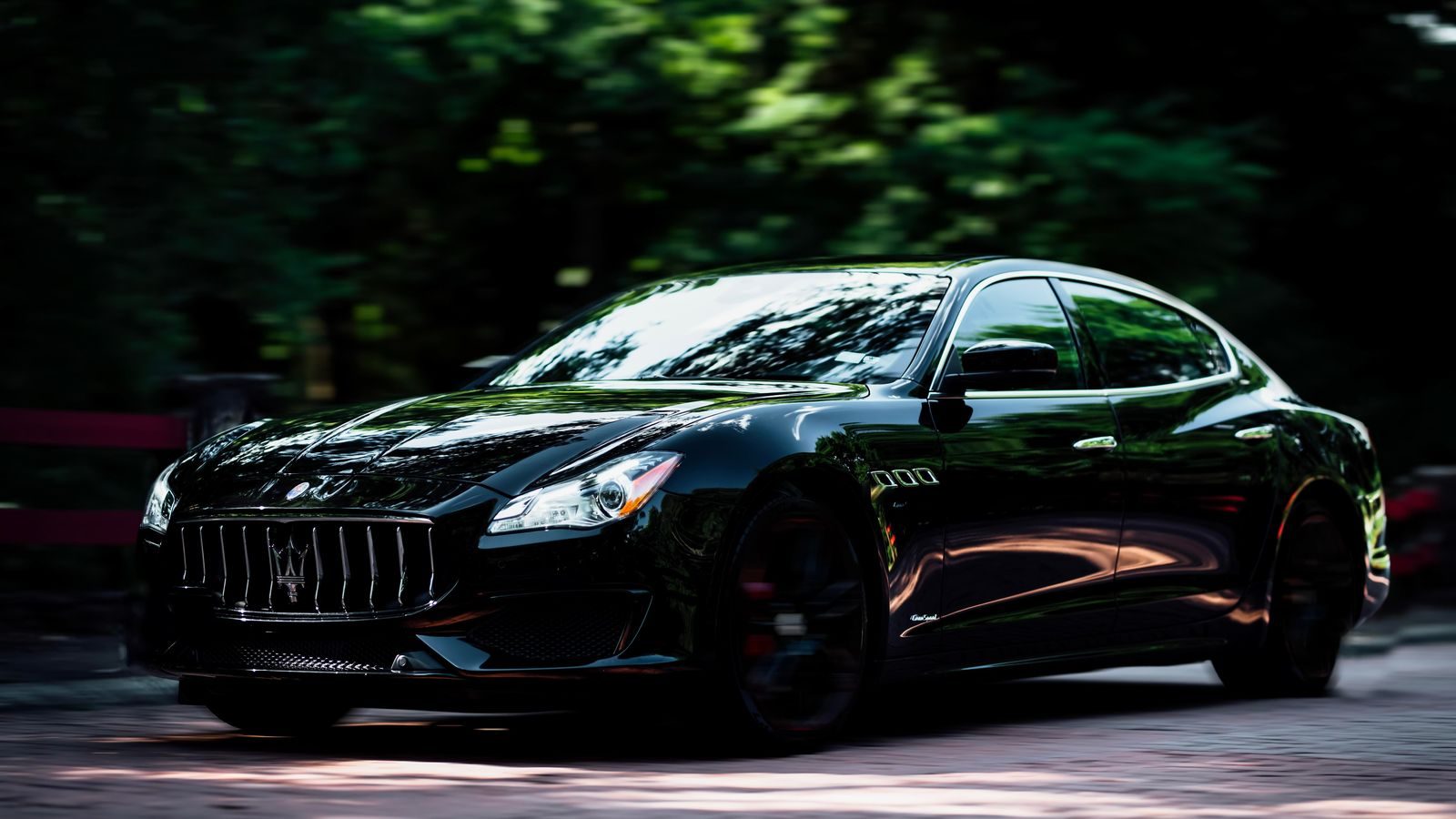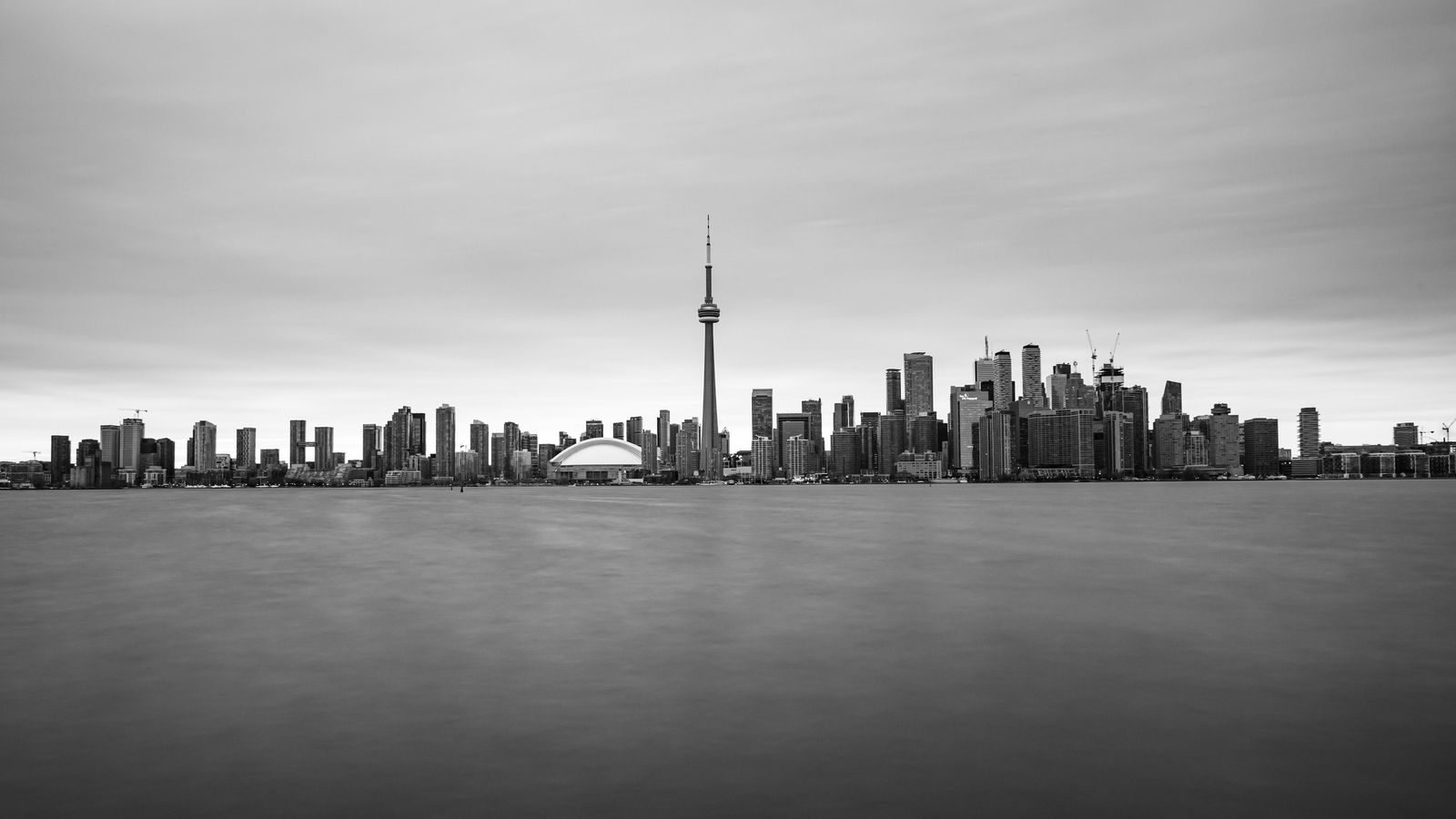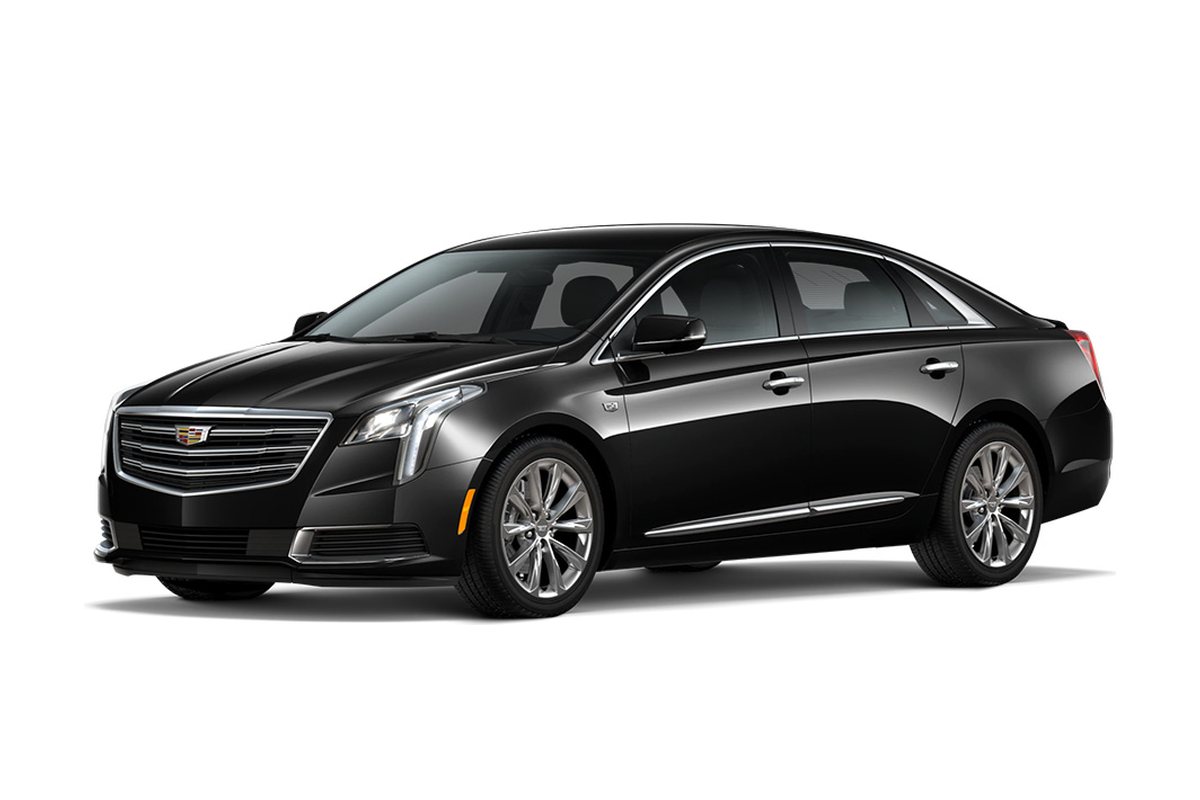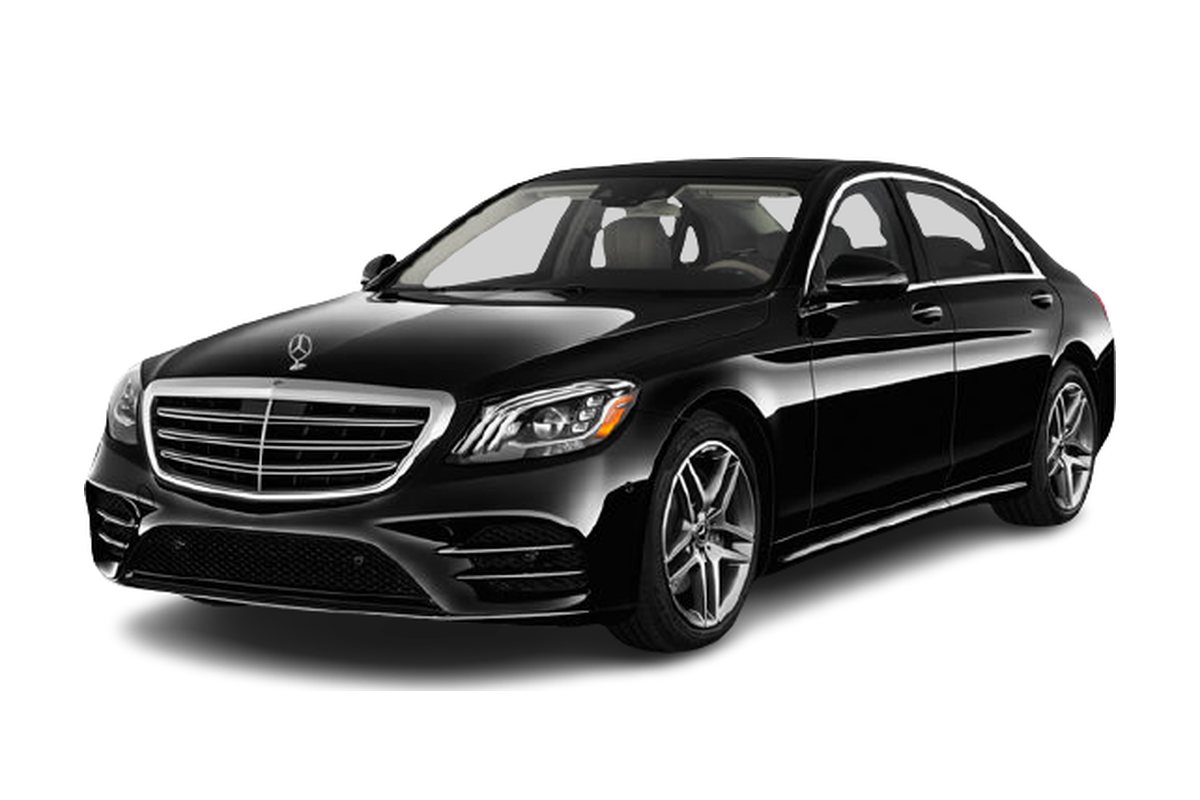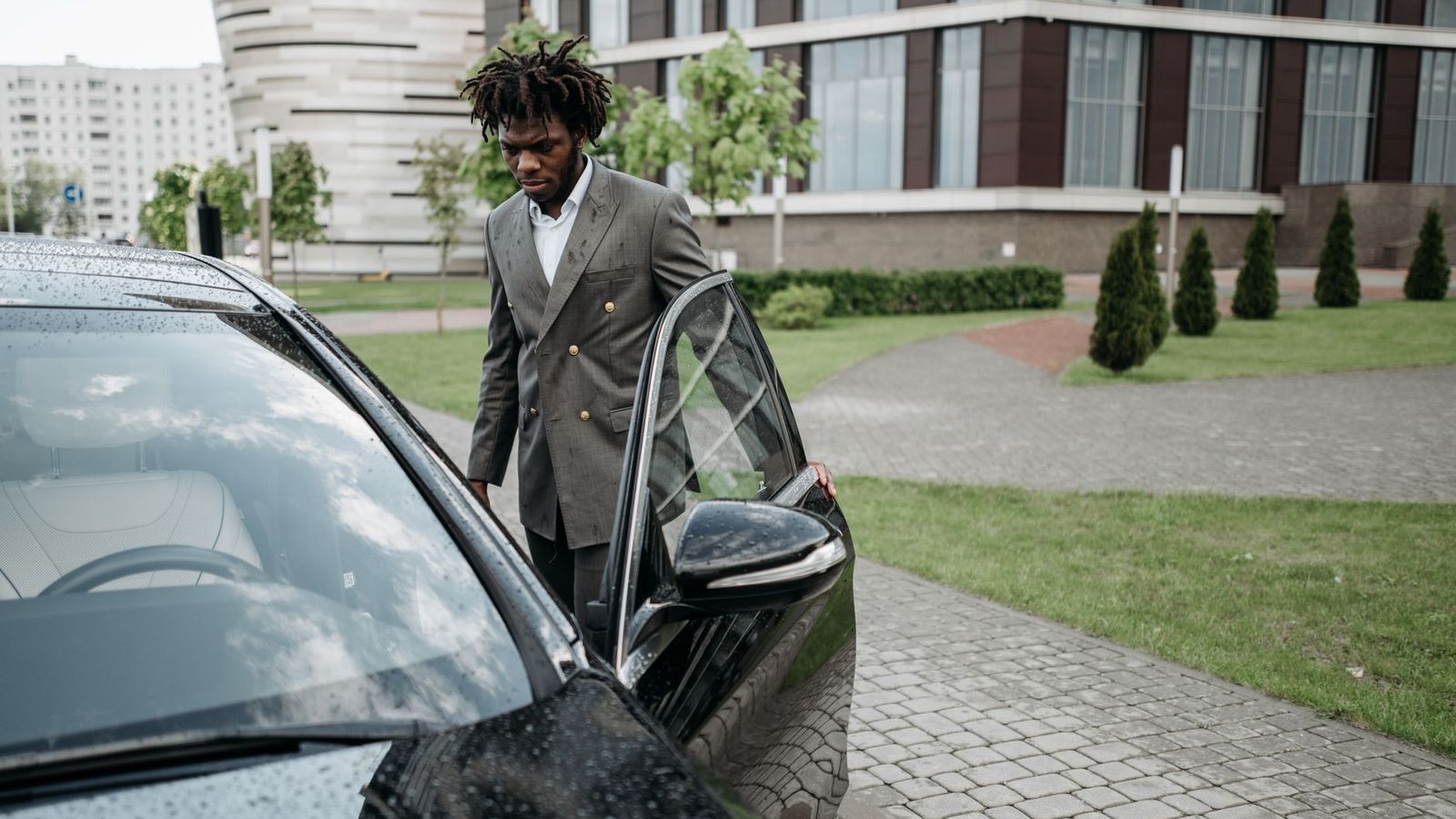
Roadshow transportation from Barrie is one chauffeur and one car held by the hour for the whole programme. A business sedan is $135–160 an hour with a 3-hour minimum, all-in plus HST, tolls included. Barrie to Bay Street is about 114 km and 75–105 minutes each way, so set the first pickup against the slow end of that window.
What is roadshow transportation, and why plan it as one booking?
A roadshow is a run of meetings in different buildings, each with a start time somebody else controls. The ground transportation is the part you can fully control, and the way to control it is to stop thinking in rides. Our page on roadshow car service in Barrie explains the product; this article is the planning companion, written for the executive assistant, the chief of staff or the deal-team member who has to turn "we're in Toronto on the 14th" into a timetable.
The rule underneath everything below: a roadshow day is an hourly chauffeur booking, not a chain of one-way fares.
How long does Barrie to Bay Street really take?
From downtown Barrie to Union Station and the financial district it is about 114 km, and the stated drive is 75–105 minutes. The gap between those numbers is the whole planning problem: a quiet mid-morning run lands near the low end, while the southbound weekday commute on Highway 400 or a Friday in cottage season lands near the top.
The table gives one-way planning figures from downtown Barrie to Union Station by vehicle class, all-in plus HST with tolls on the planned route included. The reservation engine quotes the exact figure for your address, date and vehicle.
| Vehicle | Seats / bags | One way to Union Station / downtown (114 km, 75–105 min) |
|---|---|---|
| Business sedan | 3 / 3 | $420–485 |
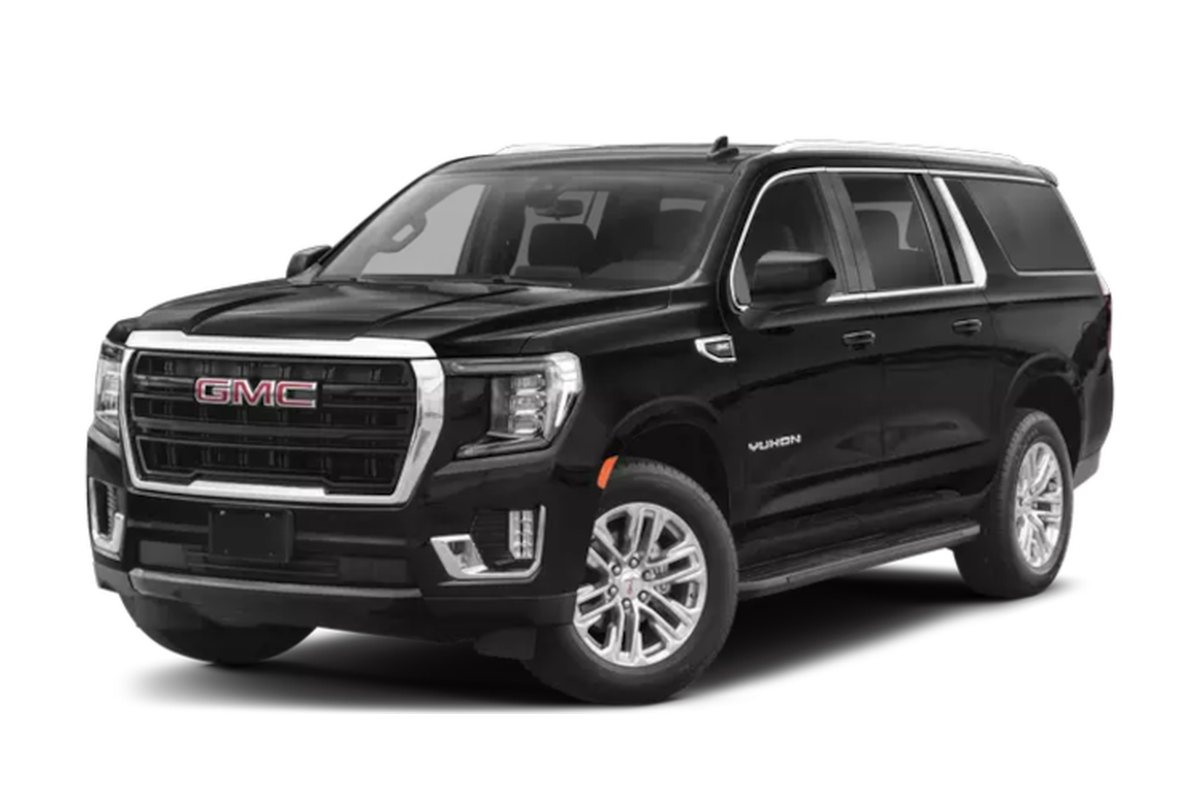
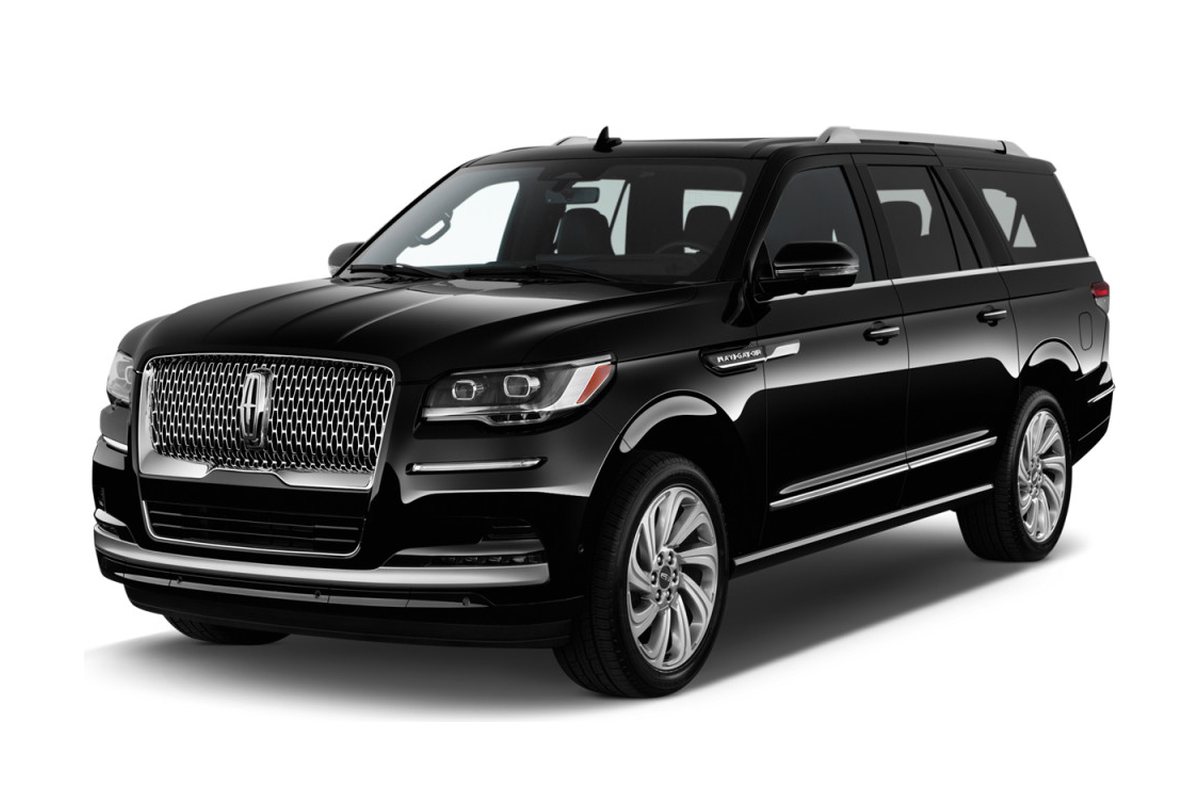
| Business SUV | 5 / 5 | $550–630 |
| Executive SUV | 6 / 6 | $660–760 |
| First-class sedan | 3 / 3 | $1,010–1,160 |
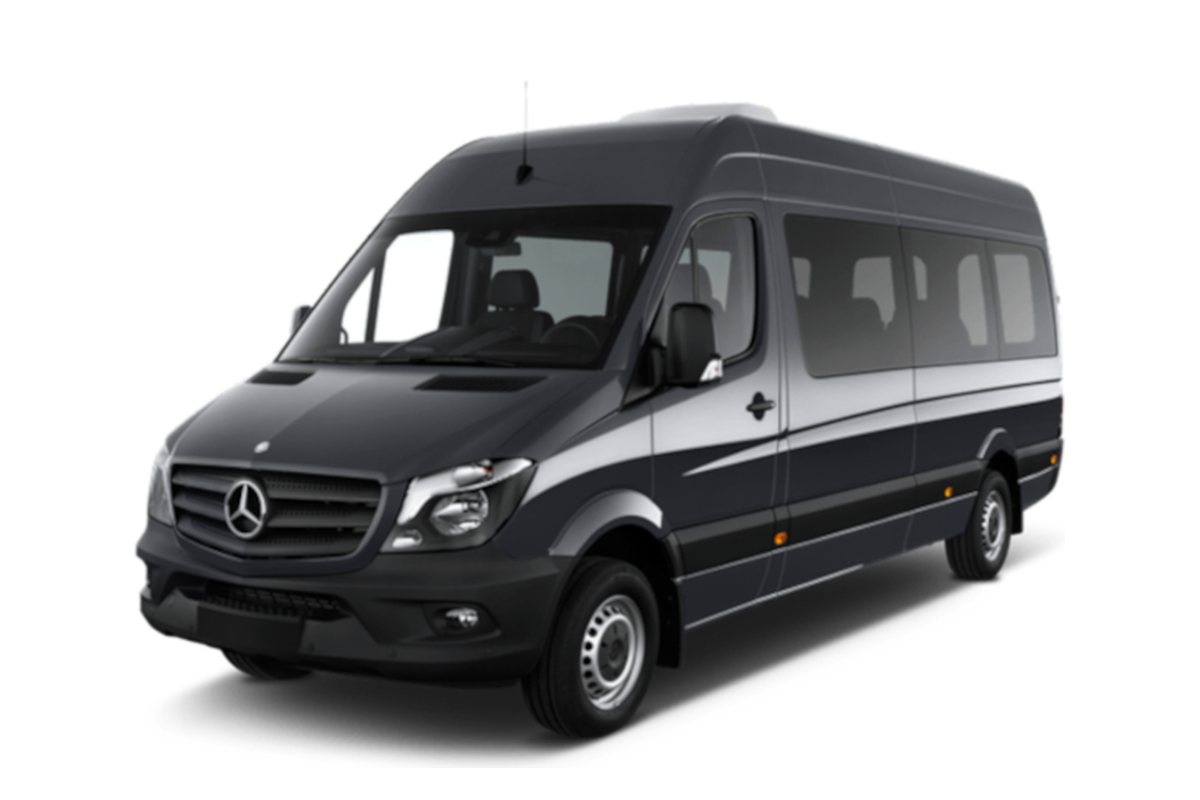
| Sprinter | up to 14 | $1,550–1,780 |
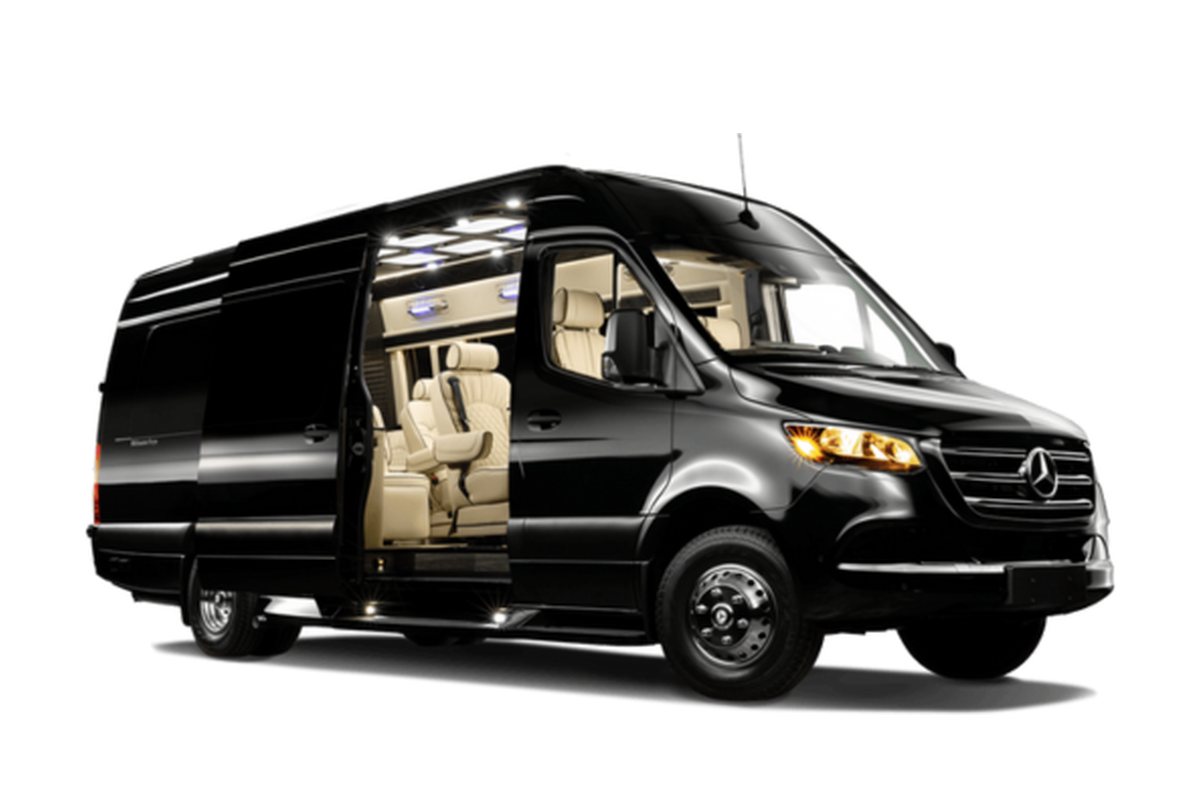
| Jet Sprinter (VIP lounge) | 7 / 5 | $2,120–2,440 |
What does the day cost compared with one-way legs?
Two one-way sedan fares to Union Station and back are $840–970 before the car has waited a single minute, and after the drop the car leaves. To move between meetings you would book again, and to come home a third time.
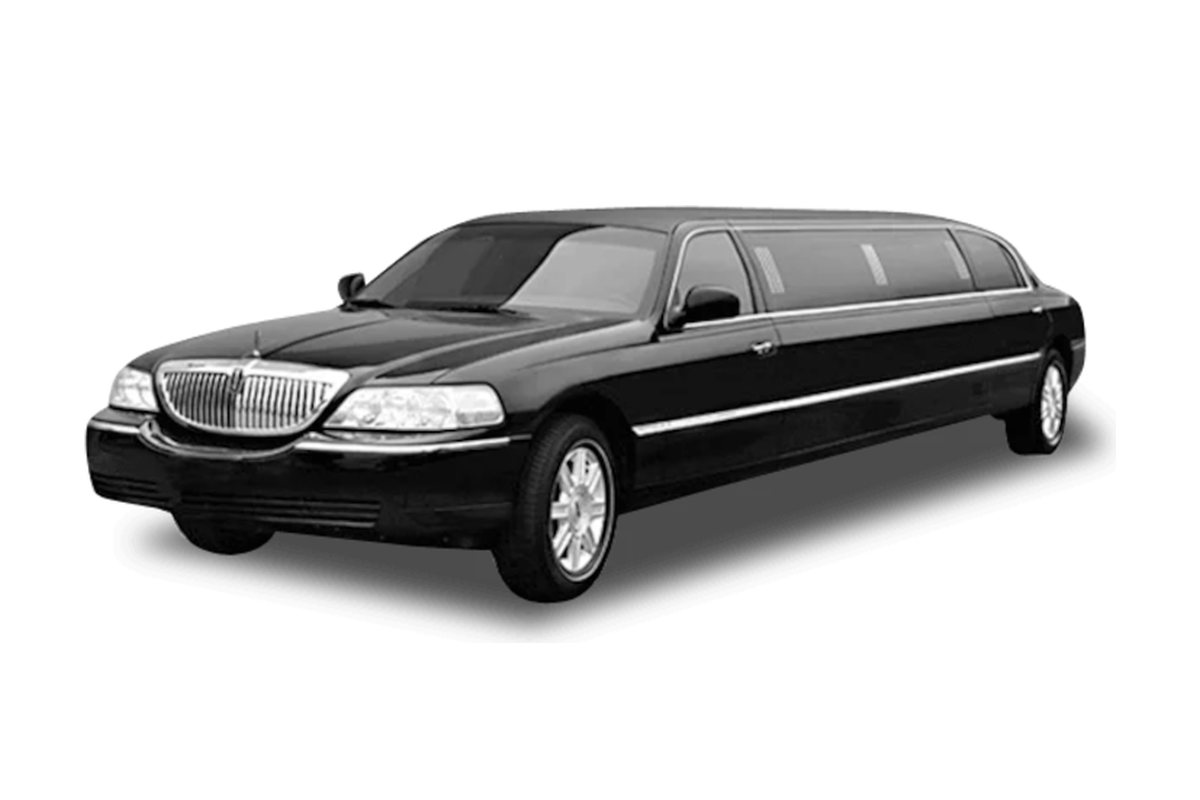
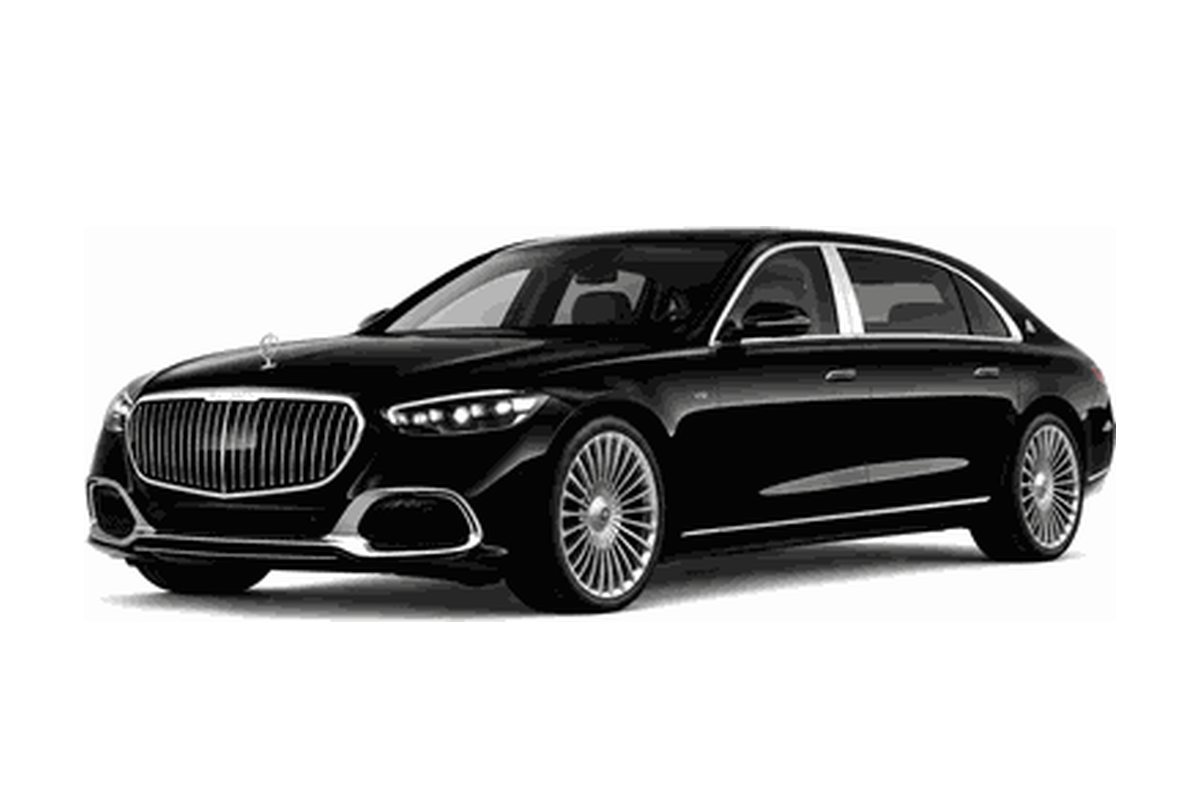
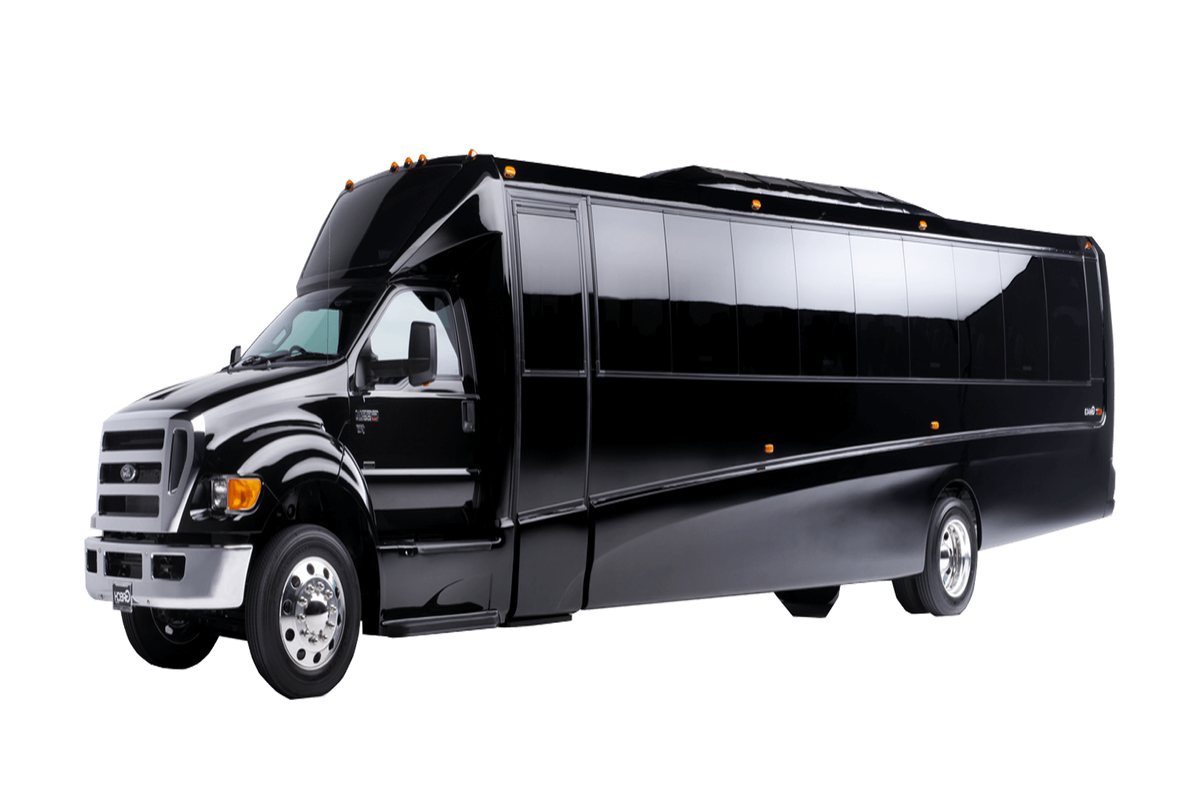
By the hour a business sedan is $135–160, a business SUV $175–205, an executive SUV $225–265, a first-class sedan $350–410, a Sprinter $475–550 and a Jet Sprinter $650–750, each with a 3-hour minimum and extra time in 30-minute blocks. A 4-hour sedan booking is $540–640. The fare includes the chauffeur, vehicle, fuel, tolls, waiting time and gratuity, with HST shown separately. Our hourly versus point-to-point guide shows the break-even; with three or more stops it is almost always the hourly booking.
What time should the Barrie pickup be for a 9:30 meeting?
Work backwards, and work backwards from the slow end. For a 9:30 meeting on Bay Street the sequence is: be in the lobby or at the elevator at 9:15; be at the curb a few minutes before that; allow 105 minutes of driving, because a first meeting is the one you cannot be late for; and add a 15-minute cushion for the final approach. That puts the pickup in Barrie at about 7:15.
An early arrival costs a coffee; a late one costs the first meeting. That asymmetry is the argument. For later meetings downtown distances are short, and the slack comes from the car already being there.
Where does the car wait, and what about the PATH?
Downtown Toronto has a pedestrian network that changes how a roadshow moves. The City describes the PATH as a mostly underground walkway system of more than 30 kilometres, linked to Union Station and a large number of office towers. Between two meetings in connected buildings your team can walk indoors in a suit and carry nothing in a Toronto February.
That does not make the car redundant. The chauffeur stages near the exit you will use, keeps materials locked in the vehicle and meets you at a pre-agreed door. Drop-off points differ by building, and some towers control their own or want visitors registered in advance, so ask each host for the visitor entrance and pass it to dispatch.
What does a four-meeting investor day look like hour by hour?
This is an illustration, not a client story: a three-person management team from a Barrie company meeting investors and analysts in the financial district, booked as one 10-hour hourly block with a business SUV, so that three people, a laptop bag each and a box of printed decks travel together.
| Time | What happens | The car |
|---|---|---|
| 7:15 am | Pickup at the Barrie office | Loaded, route set, 511 checked |
| 9:00 am | Arrive King and Bay area, coffee | Stages nearby |
| 9:30 am | Meeting one | Waits, materials locked inside |
| 11:15 am | Meeting two, across the district | Short move, or walk via the PATH |
| 12:45 pm | Lunch with a client | Waits |
| 2:00 pm | Meeting three | Waits |
| 3:15 pm | Last meeting ends; analyst call from the car | Departs for Barrie |
| 5:00 pm | Back in Barrie | Day closes at about ten hours |
Notice the shape: only the 9:30 start is fixed. If meeting two overruns by 40 minutes nothing downstream breaks, because the chauffeur is not holding a second job.
Should the team take the GO train instead?
Sometimes, yes. GO Transit's Barrie line runs between Allandale Waterfront and Union Station, calling at Barrie South and Bradford, and Union Station sits on the PATH. For one person with one bag and one meeting near the station it can be the better choice. Check the timetable and alerts on the day at GO Transit; we do not publish schedules.
It stops being better when the day has several addresses, presentation gear, an open return time or a need for private calls. A train does not wait for a meeting to finish. Our Allandale Waterfront GO page and Union Station page cover how we meet trains when part of a programme uses rail.
What should we put in the car for the presentation?
Think in cases, not people. A business sedan carries three passengers and three full-size bags; a business SUV carries five and five; an executive SUV six and six; the Jet Sprinter seven passengers and five bags; and a Sprinter up to fourteen. A rolled banner, a demonstration unit or a box of samples uses a "bag" quickly, so list the awkward items when you book; the luggage and vehicle guide explains how we count.
Bring a charger, and tell the chauffeur whether you want the car quiet. Alcohol is not allowed on board in any of our vehicles, so the celebration at the end of a good day happens at a table, not in the back seat.
Can the team prepare in the car?
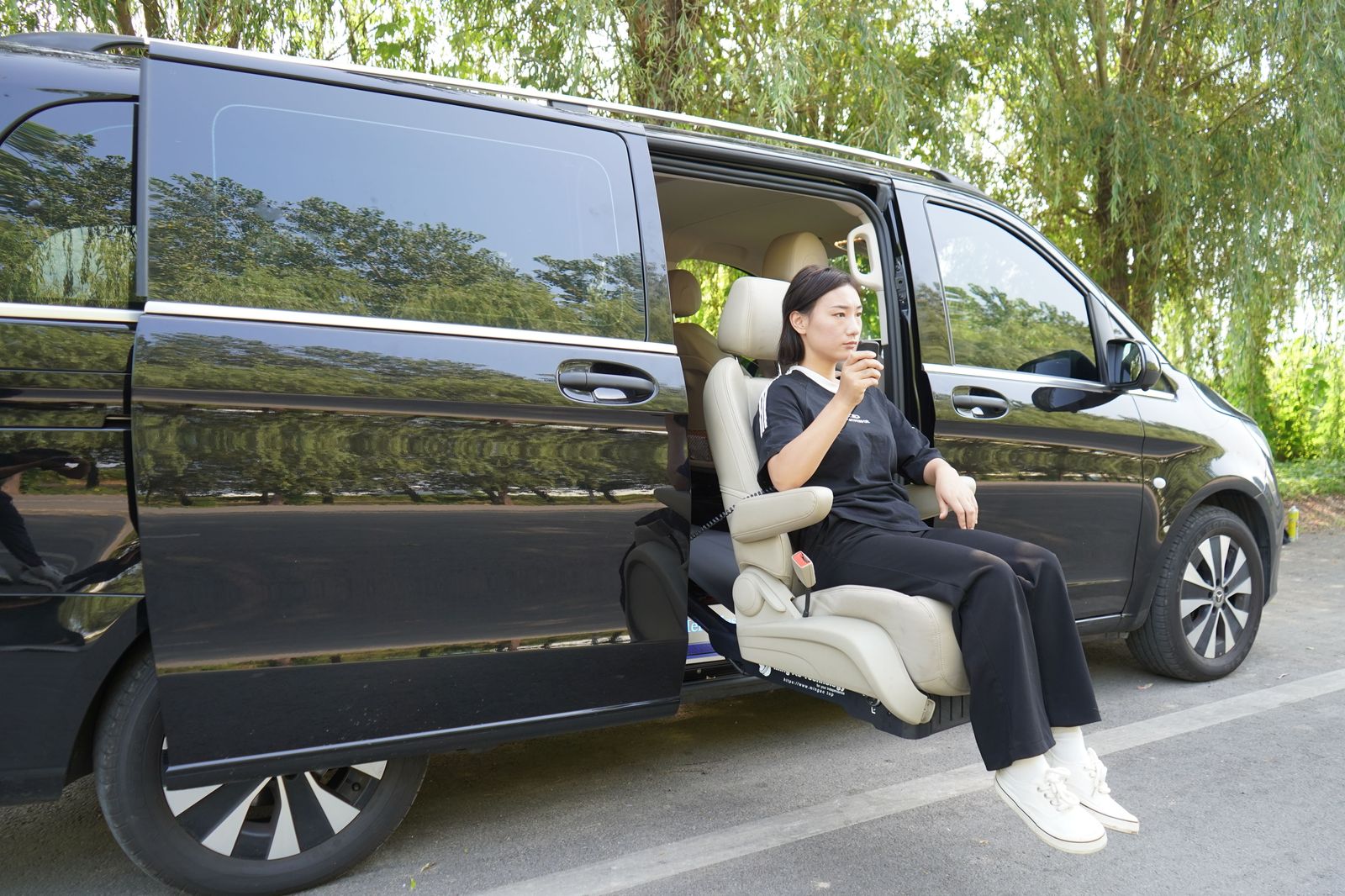
Yes, and for many teams that is the whole point. The 75–105 minutes down Highway 400 is the only uninterrupted time in a roadshow day. In a first-class sedan a lone principal can read the Q&A binder or take the call that will not wait. For a group of up to seven who need to rehearse the pitch, the Jet Sprinter has reclining lounge chairs and work tables, at $650–750 an hour with a 3-hour minimum. Our post on the Sprinter as a mobile boardroom covers how teams use the space.
The chauffeur does not join the conversation unless invited. For deals that are not public yet, read our note on privacy and NDA protocol for VIP transportation and raise any confidentiality requirement at booking, not at the curb.
What happens when a meeting runs long or finishes early?
On an hourly booking time is simply time. Hours beyond the minimum run in 30-minute blocks at the same hourly range, so a meeting that overruns costs a block, not a rebooking. Give dispatch the latest realistic finish, because the end time decides the hours.
On very long days a second chauffeur can be arranged, and overnight programmes with the chauffeur staying over are set up at booking.
What if the programme includes a plant visit or a private jet?
Many programmes add a leg that has nothing to do with Bay Street. A prospective investor wants to walk the Alliston plant (about 45 km and 40–50 minutes from downtown Barrie, sedan $240–275 one way); a delegation lands at Lake Simcoe Regional Airport, about 18 km and 20–25 minutes from downtown, sedan $160–185; a visitor takes the Muskoka Airport run, 80 km and 50–60 minutes, $340–390. Check the airport's own pages at Lake Simcoe Regional Airport for what it offers before you plan around a detail.
The same chauffeur can move a delegation from a jet to a boardroom to a factory floor with no new booking. See the Lake Simcoe Regional Airport guide for how private arrivals are met.
How do winter and Highway 400 change the plan?
Barrie sits in Ontario's snowbelt. From November to March, lake-effect squalls off Georgian Bay can slow or close Highway 400 between Barrie and Highway 89 with little warning, while Toronto sits under clear sky. A roadshow is the worst kind of trip to have a squall on, because the first meeting cannot move.
Leave earlier than you think, check Ontario 511 the night before and that morning, and agree with dispatch a time at which the plan flips, for example leaving at 5:30 instead of 7:15 or travelling the evening before. From Victoria Day to Thanksgiving the other pattern is cottage traffic, southbound on Sunday afternoons and northbound on Fridays, so a Friday return leg deserves extra buffer. Tolls on the planned route, including the 407 ETR, are in the fare, so the chauffeur chooses the road. Our Highway 400 winter travel guide has the detail.
How do visiting investors and delegations arrive?
Out-of-town visitors rarely start in Barrie. For a Pearson pickup, flights are tracked and the pickup follows the actual landing; the fare includes 30 minutes of waiting for Canadian domestic and US flights and 60 minutes for other international arrivals, with curbside pickup at the commercial pickup area. A name-board meet and greet inside arrivals is an optional add-on. The same car can carry the delegation from the airport to Bay Street first. See corporate airport transfers for Barrie businesses for the account side, and our Barrie to downtown Toronto black car guide for the route. Delegations from the USA are covered on the cross-border limo page; NEXUS-holding chauffeurs are available on request.
What does the booking record look like for the accounts team?
For a company, a roadshow is also an expense line. The reservation engine shows a fixed all-in fare before you confirm, with HST shown separately. For regular corporate travel, our corporate accounts page explains how a booking reference such as a cost centre or project code is carried on the confirmation, how an assistant can book for a passenger and how traveller preferences are kept on file. Send the company details through the contact page and dispatch will reply with next steps.
Cancellation is measured from the scheduled pickup: more than 72 hours before, no charge; 72 hours or less, 10 per cent; 48 hours or less, 50 per cent; 24 hours or less or a no-show, 100 per cent. Roadshow dates move, so move the booking as soon as the meetings do.
What about hotels, flights and the night before?
Some teams stay downtown the night before and use the car only for the day itself. Our travel desk, run with BookingWorldwide.net, can arrange flights, hotels and packages around the car, and our downtown Toronto hotels page explains pickups from downtown properties. When a roadshow ends late, an overnight in Toronto and a morning return is an honest option; tell us at booking.
How do I book it?
Use the reservation engine for a single car by the hour, or send a coordinator the date, start and end addresses, the stop list, the headcount and the awkward items for a multi-vehicle programme. Give the first and last meeting times, the latest acceptable finish and one name who can change the plan on the day. That is everything a chauffeur needs to run it.