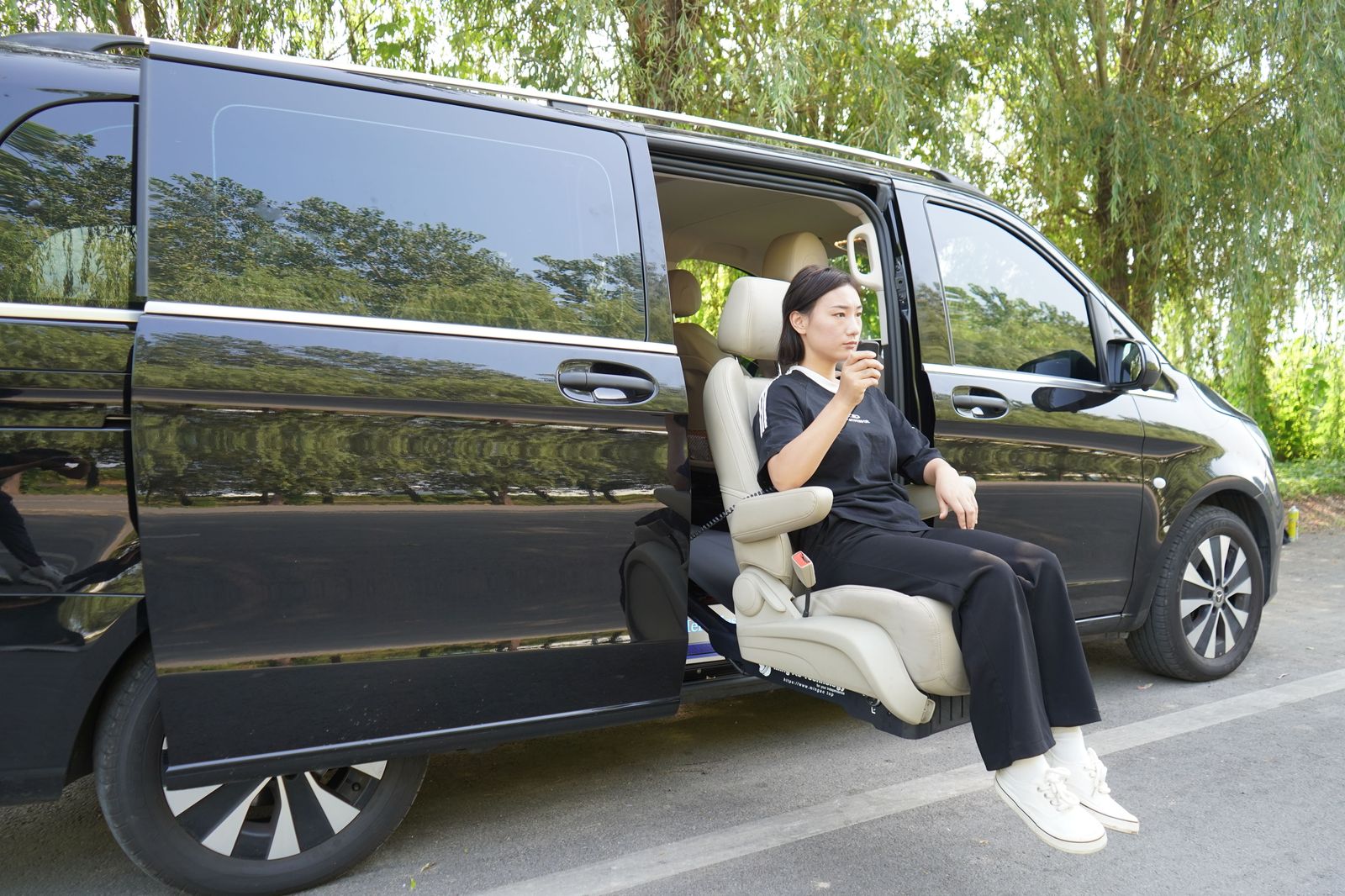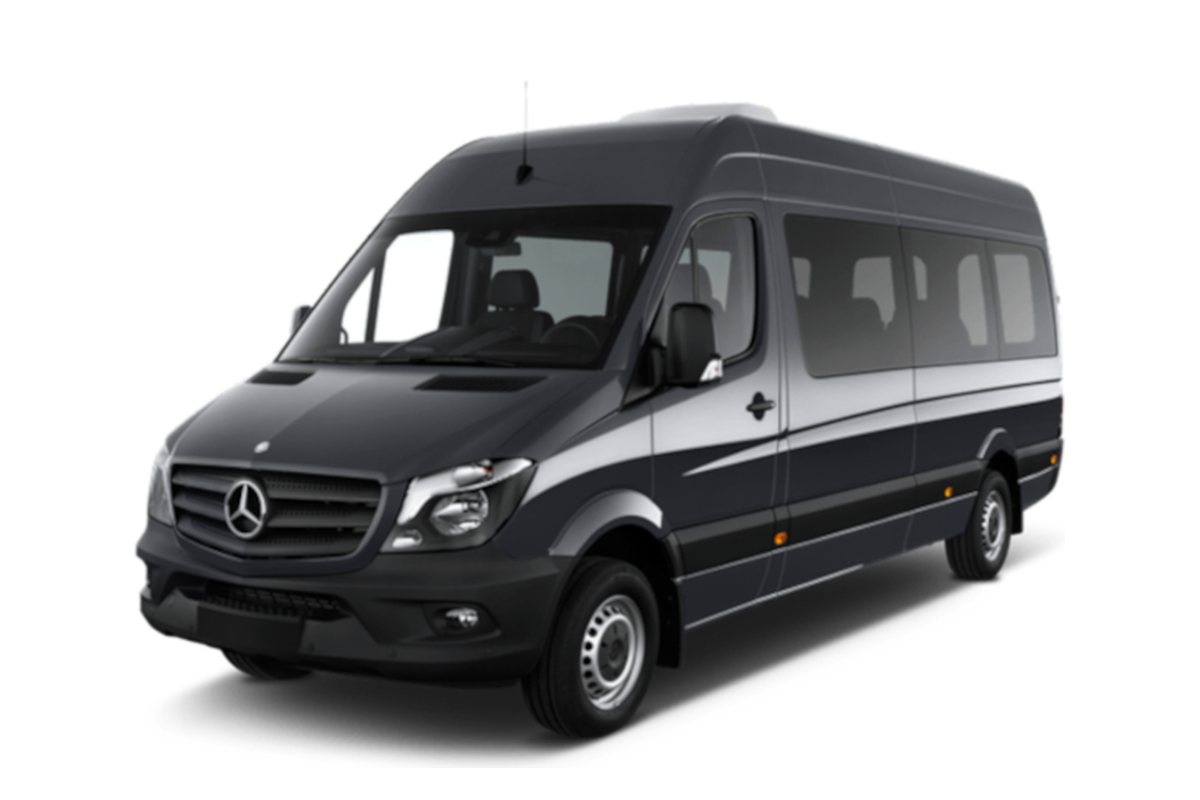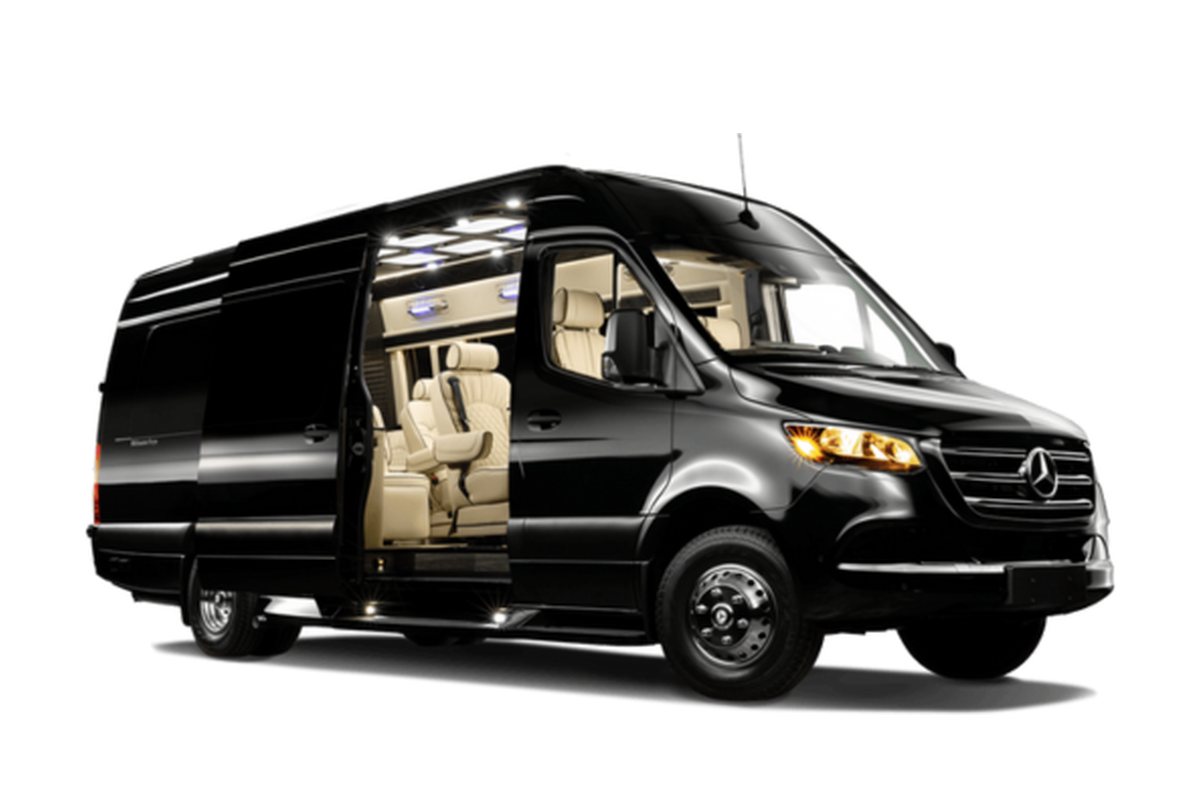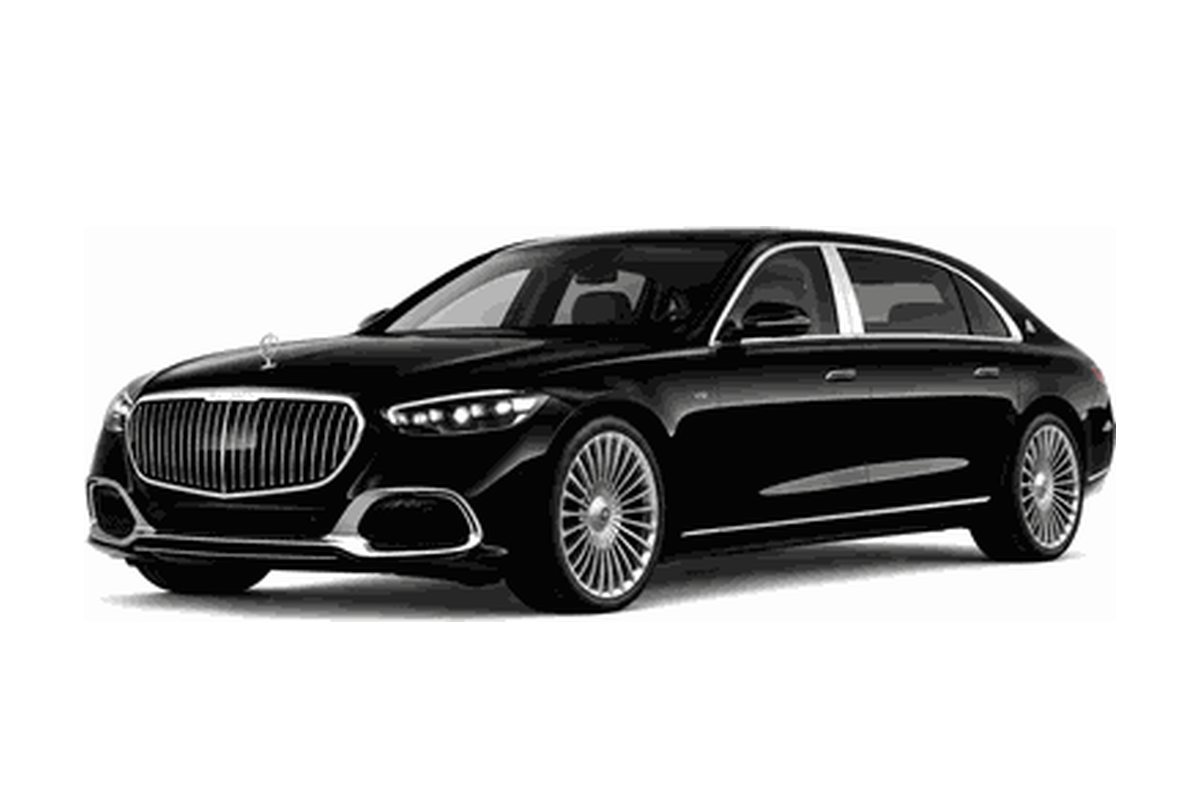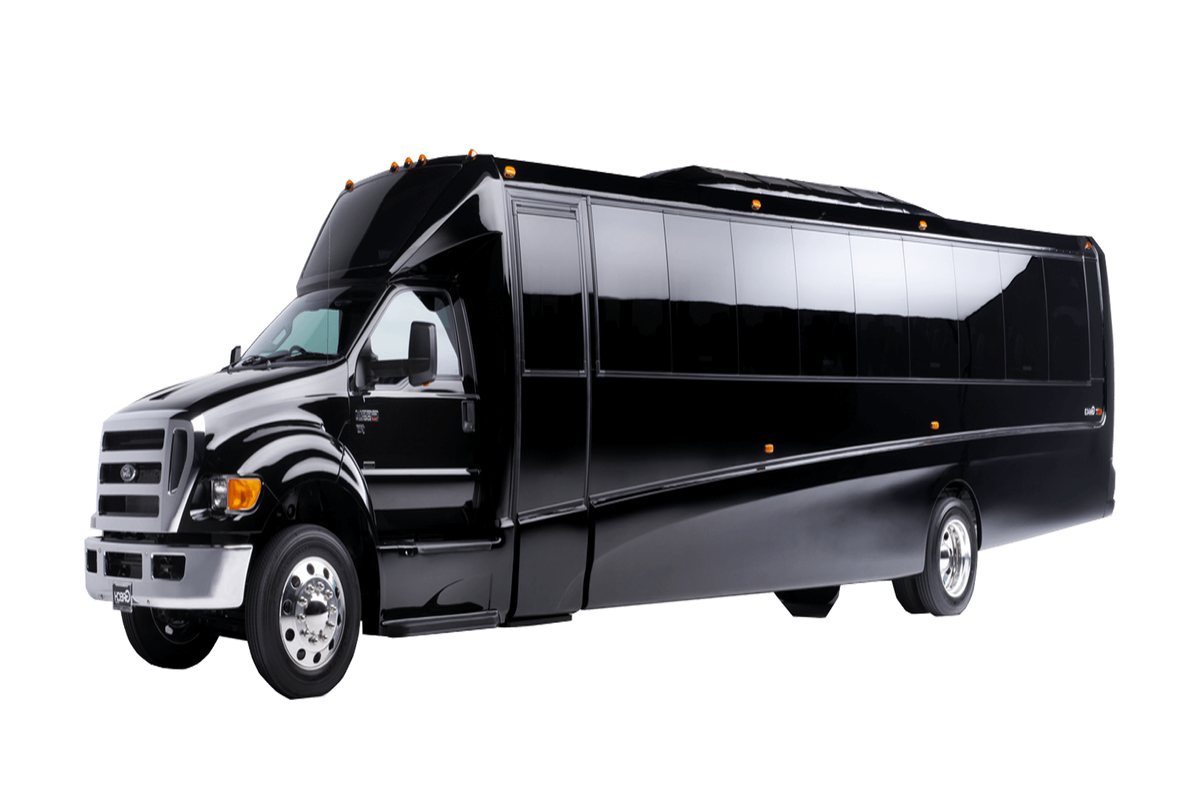
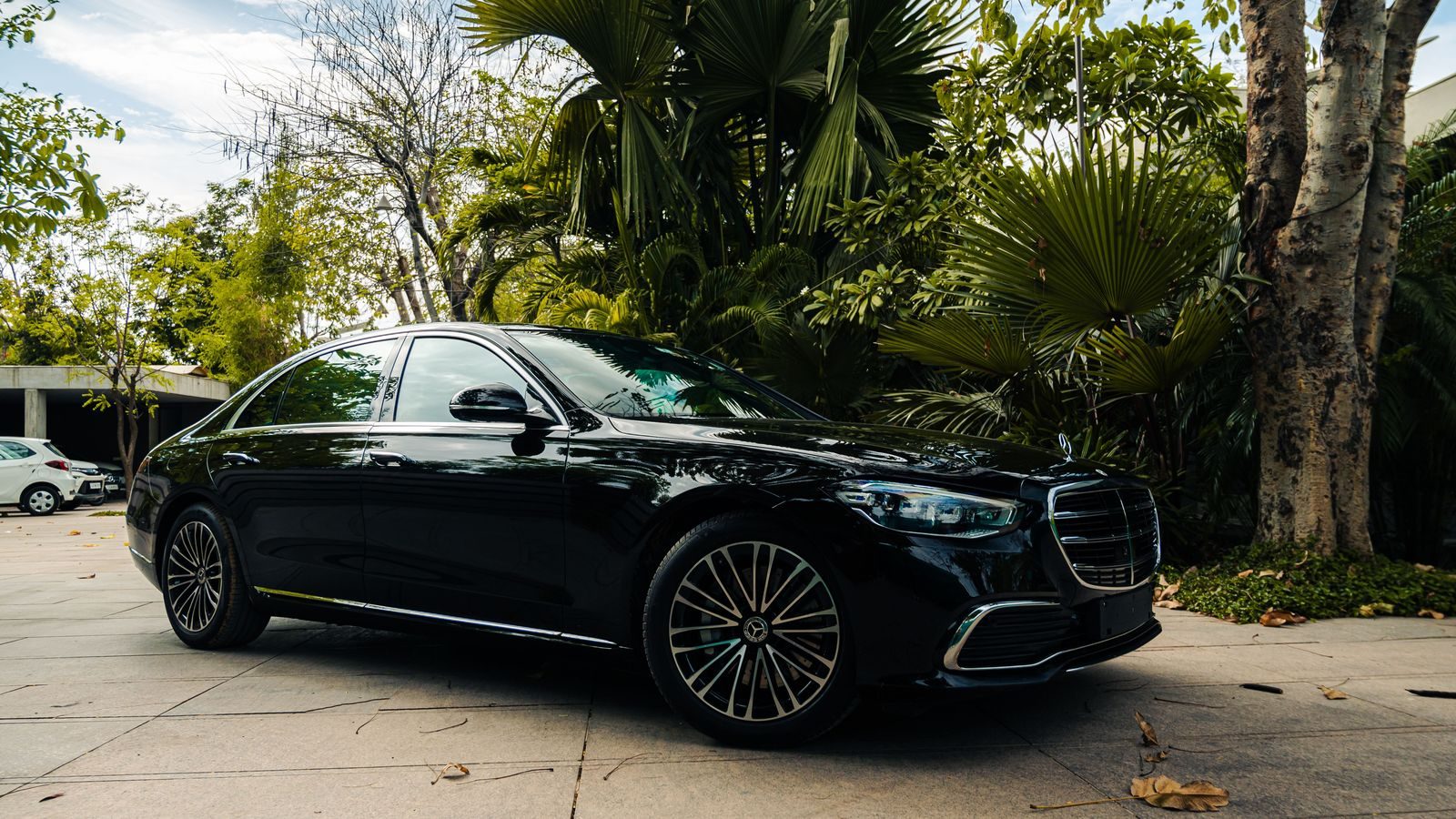
An executive Sprinter van seats up to 14 and costs $475–550 an hour with a three-hour minimum; the Jet Sprinter, a VIP lounge conversion for seven, is $650–750 an hour. Either gives a team 60 to 105 minutes of uninterrupted time between Barrie and Toronto. It suits briefings and decisions, not workshops. See our Sprinter group transportation page.
What is an executive Sprinter van, and when is it a boardroom?
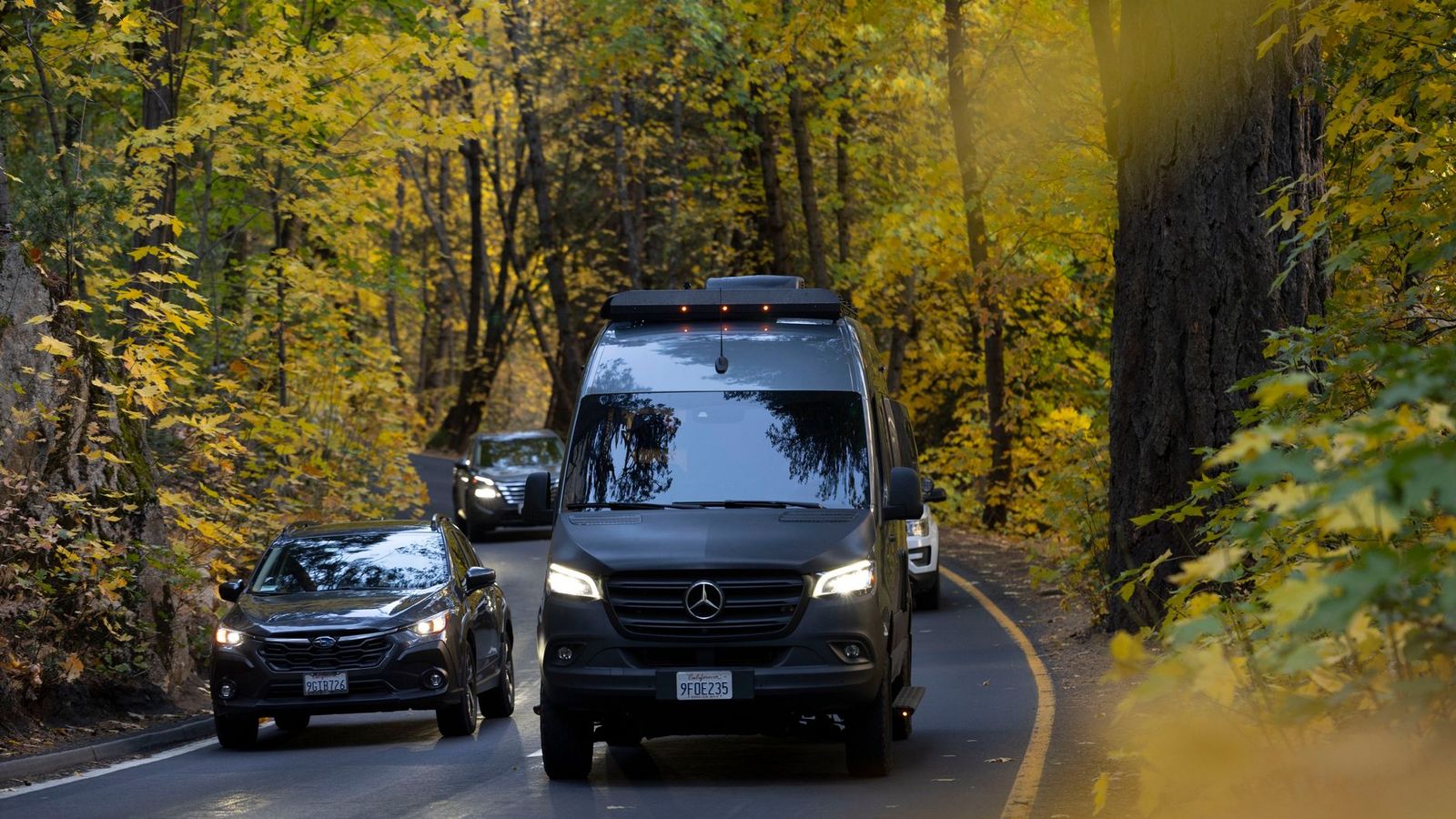
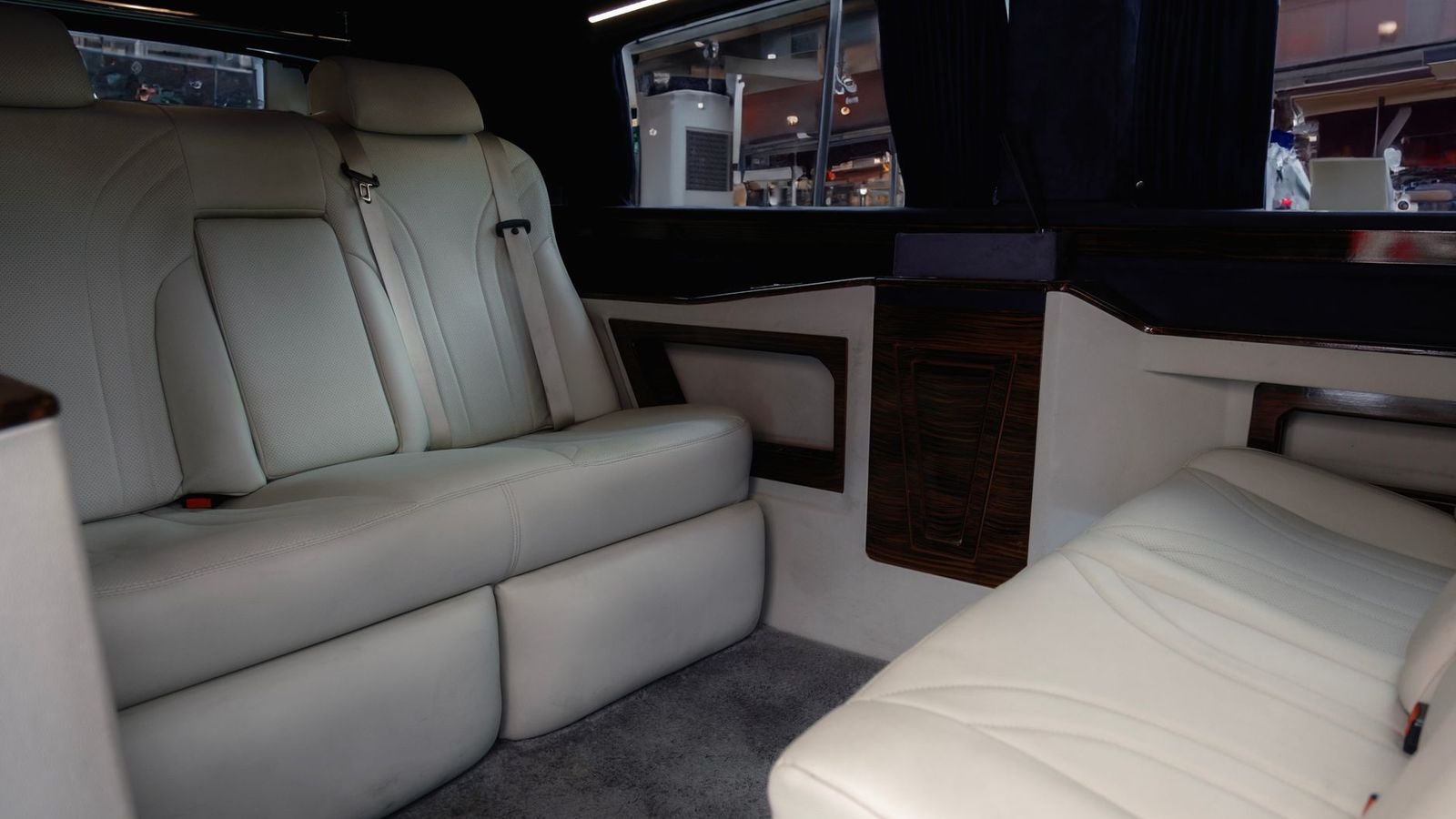
A Sprinter is a tall, wide van that seats up to fourteen passengers with a professional chauffeur driving. The standard executive version has rows of seats facing forward and is built for moving a group. The Jet Sprinter is a VIP conversion with lounge captain's chairs and work tables for up to seven passengers and five bags. Both are our own fleet.
It becomes a boardroom when the journey itself has value: a leadership team that would otherwise spend 90 minutes in two cars, each person alone with a phone. In one vehicle the team has the same time but also each other. Our Sprinter group transportation page covers the vehicles and fares.
How much meeting time does the drive give you?
The 400 is the spine of Simcoe County business travel, and the time budget is simple arithmetic. These are the drive times from downtown Barrie, which are also the length of the meeting you can plan if you leave the chauffeur to watch the road.
| Destination | Distance | Drive time | What fits |
|---|---|---|---|
| Alliston | 45 km | 40–50 min | A short briefing before a plant tour |
| Casino Rama | 47 km | 35–45 min | A planning session before an off-site |
| Toronto Pearson (YYZ) | about 97 km | 60–85 min | A full agenda for a delegation |
| Union Station / downtown | 114 km | 75–105 min | A decision meeting before Bay Street |
| Vaughan / King City | 80 km | 50–65 min | A pre-brief before a client lunch |
Put the high end of the range in the plan, not the low. A meeting that needs 75 minutes should be booked for a drive that is likely to take 90.
Which meetings work in a moving vehicle?
Be honest about what the setting can do. It works for briefings where one person speaks and the team listens, for decisions that need three or four voices, for rehearsing a pitch and for debriefing after a tour. It works for pre-reading discussed aloud: each person has read the paper, and the van is where the questions are asked.
It does not work for workshops that need a whiteboard, for long spreadsheet reviews or for anything that depends on a live video call with a full screen. The people in the van are also the whole audience; there is no room for a guest to join halfway. If the real need is a workshop, book a room.
Sprinter or Jet Sprinter for a working trip?
The standard executive Sprinter, $475–550 per hour, suits a larger team, up to fourteen, that needs to arrive together and talk on the way. Seating faces forward, so a conversation is side by side and front to back. The Jet Sprinter, $650–750 per hour, has lounge captain's chairs and work tables, which is a different way to meet: smaller, more face to face, with something to put a laptop on.
If the team is seven or fewer and the time in the vehicle is the point, the Jet Sprinter is the better tool. If it is eight to fourteen and the value is arriving together, take the standard Sprinter. For six or fewer, an executive SUV is often enough.

What are the practical limits of working while moving?
Ontario's Highway Traffic Act requires passengers to wear seat belts, so everyone stays seated and belted while the vehicle moves. That rules out presenting from the aisle and standing at a screen. Plan to present from your seat, to hold a tablet rather than point at a wall and to keep papers on the table or in a folder, because a hard stop on the 400 sends loose paper across a van.
Some people get motion sick reading on a screen. Tell the team, ask them to look up between slides and keep the agenda short enough that nobody has to read for twenty minutes. A smooth drive on a clear day is easy; a squall is not the time for a deck.
How should you structure a 75-minute meeting?
Treat it as a seminar with a clock. A workable pattern:
- First five minutes: settle in, bags stowed, phones on silent, agenda stated.
- Next fifteen: the main briefing, one voice, no slides.
- Next thirty: questions and discussion, with someone taking notes.
- Next fifteen: decisions, owners and dates read back aloud.
- Last ten: quiet time, calls and arrival preparation.
Tell the chauffeur the schedule so the stops at the curb do not interrupt the discussion. Leave the final five minutes free, because arrival always takes longer than the plan says.
Can you rely on connectivity and power in the van?
Do not assume it. We do not publish a connectivity or power specification for the vehicles, and mobile coverage along Highway 400 is not uniform. Download documents before you leave, bring your own hotspot or devices that work offline and charge laptops the night before. If you need power outlets or a particular layout, ask when you book, and dispatch will tell you what the assigned vehicle offers.
For a team that wants to dial into a call from the van, schedule it for the part of the route with the fewest dead spots and have a fallback. A decision that depends on a live connection is a decision at risk.
What about confidentiality in a shared cabin?
A van holds the whole team and the chauffeur. Our chauffeurs treat passengers and destinations as private and repeat nothing they overhear. Even so, assume that anything said in the cabin is audible to the front, and keep matters that must not be heard by anyone outside the team for a different setting.
For passengers who need more, our post on privacy for VIP transportation explains how to keep information off bookings and receipts. Papers that must not be seen should travel in a closed folder, not open on a table.
What does a plant-to-plant day look like?
A typical industrial day: a leadership team of six meets in Barrie at 8, rides to a plant in Alliston (45 km, 40–50 minutes) for a tour, returns for lunch, visits a supplier near Bradford (40 km, 30–40 minutes) and ends at a site in Innisfil. That is four moves and three waits, which is the textbook case for an hourly chauffeur.
Each drive becomes a short meeting: expectations before the tour, observations after it. The chauffeur waits at each gate, and the same vehicle stays with the team all day. The three-hour minimum is easily exceeded on a day like this.
What about Barrie to Bay Street with a team?
A roadshow or client day downtown is the classic use. Downtown Toronto is about 114 km and 75–105 minutes from Barrie, and a team that leaves at 6:45 a.m. can have a full briefing before a 9 a.m. meeting and a debrief on the way home. A Sprinter is $1,550–1,780 one way, a Jet Sprinter $2,120–2,440, for the whole vehicle, not per seat.
If the team stays downtown, hourly is usually better, because the chauffeur waits. Our executive roadshows post and the downtown Toronto route page cover the timing.
How do delegations use the van from Pearson?
A visiting delegation lands at Toronto Pearson tired and wants to start. A Sprinter meets them, flight-tracked, with curbside pickup included and 30 minutes of waiting on domestic and US arrivals, 60 on other international arrivals. The meeting begins at the curb: welcome, agenda, introductions to the local team on the 97 km, 60–85 minute drive.
Planning figures for the whole vehicle, Pearson to Barrie: Sprinter $1,390–1,600 and Jet Sprinter $1,920–2,210, one way. The Pearson airport page covers terminals. Tell us the number of people and bags so the van matches.
What do the fares look like side by side?
| One way from downtown Barrie, all-in plus HST | Sprinter (up to 14) | Jet Sprinter (7) |
|---|---|---|
| Casino Rama (47 km, 35–45 min) | $920–1,060 | $1,290–1,485 |
| Newmarket and Aurora (60 km, 40–55 min) | $1,120–1,280 | $1,540–1,760 |
| Blue Mountain Village (66 km, 60–70 min) | $1,190–1,370 | $1,620–1,865 |
| Vaughan and King City (80 km, 50–65 min) | $1,360–1,560 | $1,870–2,145 |
| Toronto Pearson (about 97 km, 60–85 min) | $1,390–1,600 | $1,920–2,210 |
| Union Station / downtown Toronto (114 km, 75–105 min) | $1,550–1,780 | $2,120–2,440 |
| By the hour, three-hour minimum | $475–550 | $650–750 |
Planning figures, tolls and gratuity included, HST extra. The engine quotes your date. Compare with our rates page.
When is a Sprinter not worth it?
When the team is small. For one to three people, a business sedan or first-class sedan is cheaper and quieter. For up to six, an executive SUV at $225–265 per hour is the better tool, and the engine prices a luxury minivan for your date.
A Sprinter earns its keep when the team is seven or more and the plan involves several stops, or when arriving together is part of the message. If the group splits into two destinations, two smaller vehicles may be right, and dispatch will tell you plainly.
How do winter and Friday traffic change a meeting in motion?
A meeting scheduled to end at the curb needs a margin. From November to March lake-effect squalls can slow or close Highway 400 between Barrie and Highway 89, and in cottage season, Victoria Day to Thanksgiving, Friday and Sunday afternoons are slow. Check Ontario 511 and the Environment Canada forecast.
If a squall is forecast, move the departure earlier rather than shortening the agenda. The tolled 407 ETR is included in the fare when the planned route uses it. Snow does not add to the fare.
Food, drink and breaks on a long day
Bring sealed water and coffee, and pack a snack for a long morning. Alcohol is not allowed in any of our vehicles, including at a client dinner's end, so toast at the table. Plan washroom stops on any trip longer than 90 minutes; the chauffeur will pull in at a suitable place.
For very long days, a second chauffeur can be added so the person driving home is fresh, and overnight trips with the chauffeur staying over are arranged at booking. The travel desk can add flights and hotel nights through BookingWorldwide.net.
How to book an executive Sprinter van
Open the booking page, choose hourly or one way, enter the first pickup, the date and the number of passengers, and select the Sprinter or Jet Sprinter. The fixed all-in fare is on screen before you confirm. Add the agenda timings in the notes.
Changes cost less the earlier they are made: nothing beyond 72 hours before pickup, then 10 %, 50 % and 100 % as the pickup comes within 72, 48 and 24 hours, with a no-show at 100 %.