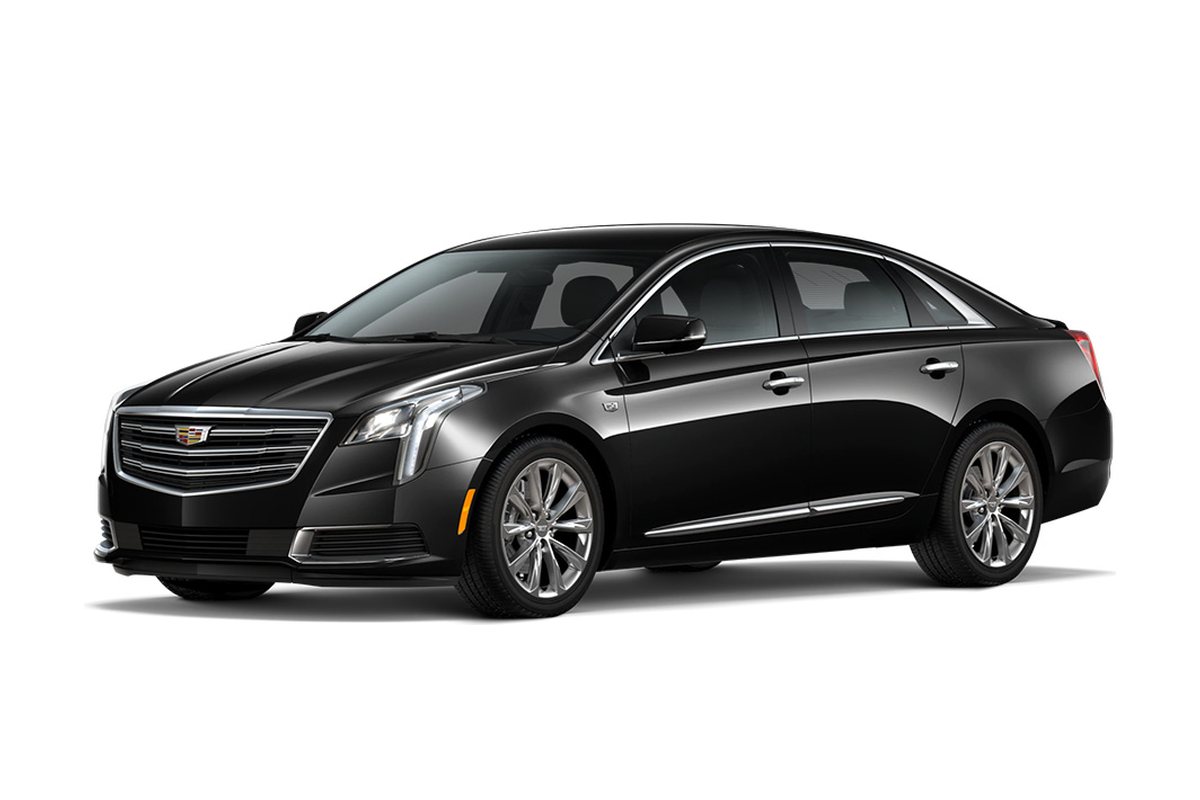

The distance from Barrie to Toronto is about 114 km to Union Station and downtown, and about 97 km to Pearson airport, mostly down Highway 400. Downtown takes 75–105 minutes: early mornings and weekends run nearer 75, rush hours nearer 105. A business sedan is a planning $420–485 one way, all-in plus HST. See our Barrie to downtown Toronto car service.
What is the distance from Barrie to Toronto?
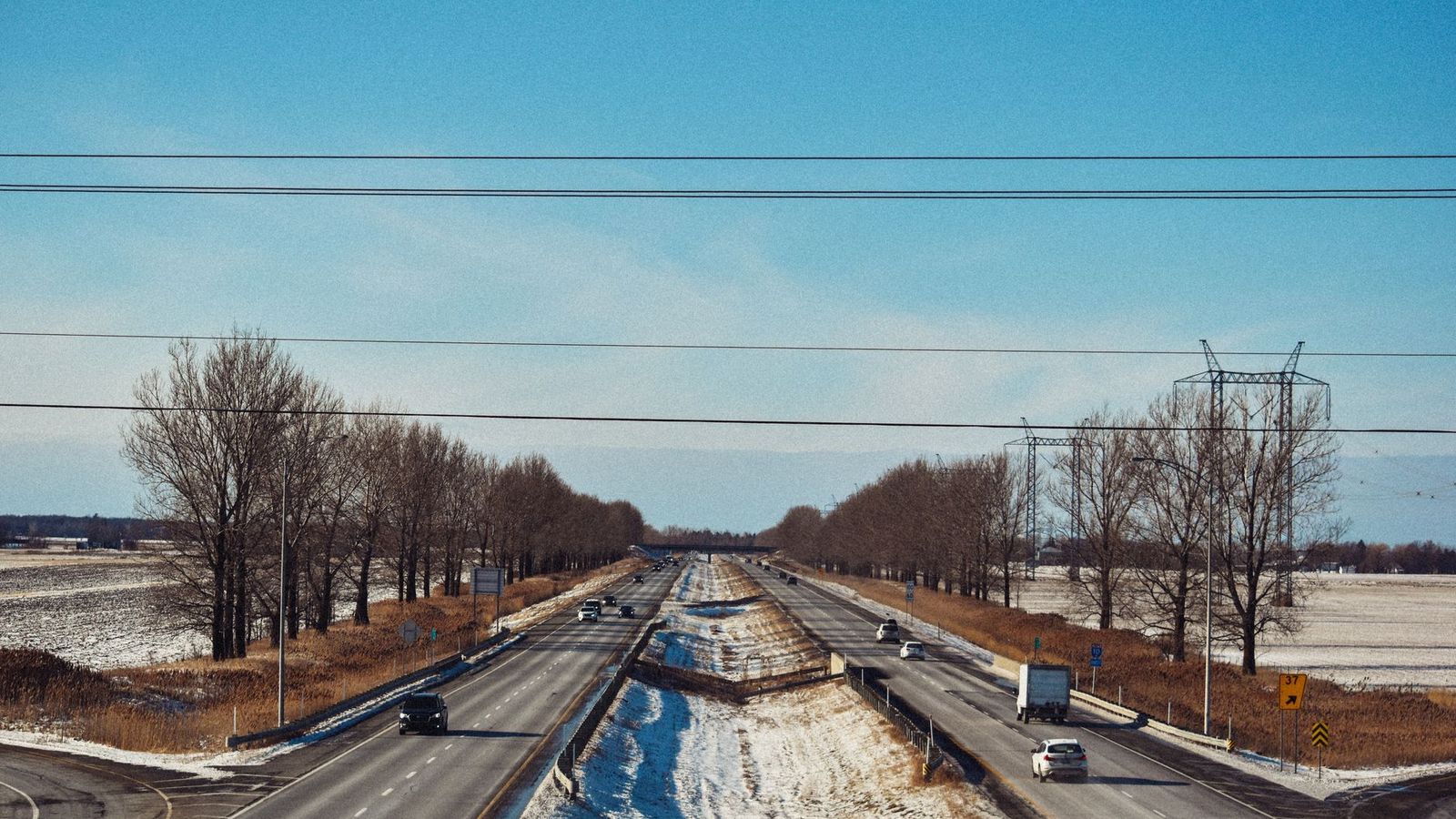
Barrie sits about 90 km north of Toronto's top end, and downtown Toronto is about 114 km from downtown Barrie by road. The drive is Highway 400 south, then the 401 or the tolled 407 ETR, then one of the downtown expressways. In kilometres it is a simple trip; in minutes it depends on the hour.
That is why the same trip can be quoted as an hour and a quarter or an hour and three-quarters, and both numbers are honest. The rest of this page is about what moves the number, so you can plan an appointment, a flight or a dinner with the right margin.
Which Toronto do you mean, and how far is each?
"Toronto" covers a large area, and the distance depends on where in it you are going. The table gives the road distance and typical drive time from downtown Barrie, with the planning fare for a business sedan one way, all-in plus HST. The engine prices your exact address.
| Destination | Distance | Drive time | Business sedan, one way |
|---|---|---|---|
| Vaughan and King City | 80 km | 50–65 min | $340–390 |
| Richmond Hill and Markham | 90 km | 55–75 min | $370–425 |
| Brampton | 95 km | 60–80 min | $385–445 |
| Toronto Pearson (YYZ) | about 97 km | 60–85 min | $380–440 |
| Mississauga | 105 km | 65–90 min | $415–475 |
| Union Station and downtown | 114 km | 75–105 min | $420–485 |
| Billy Bishop (YTZ) | 115 km | 80–110 min | $445–510 |
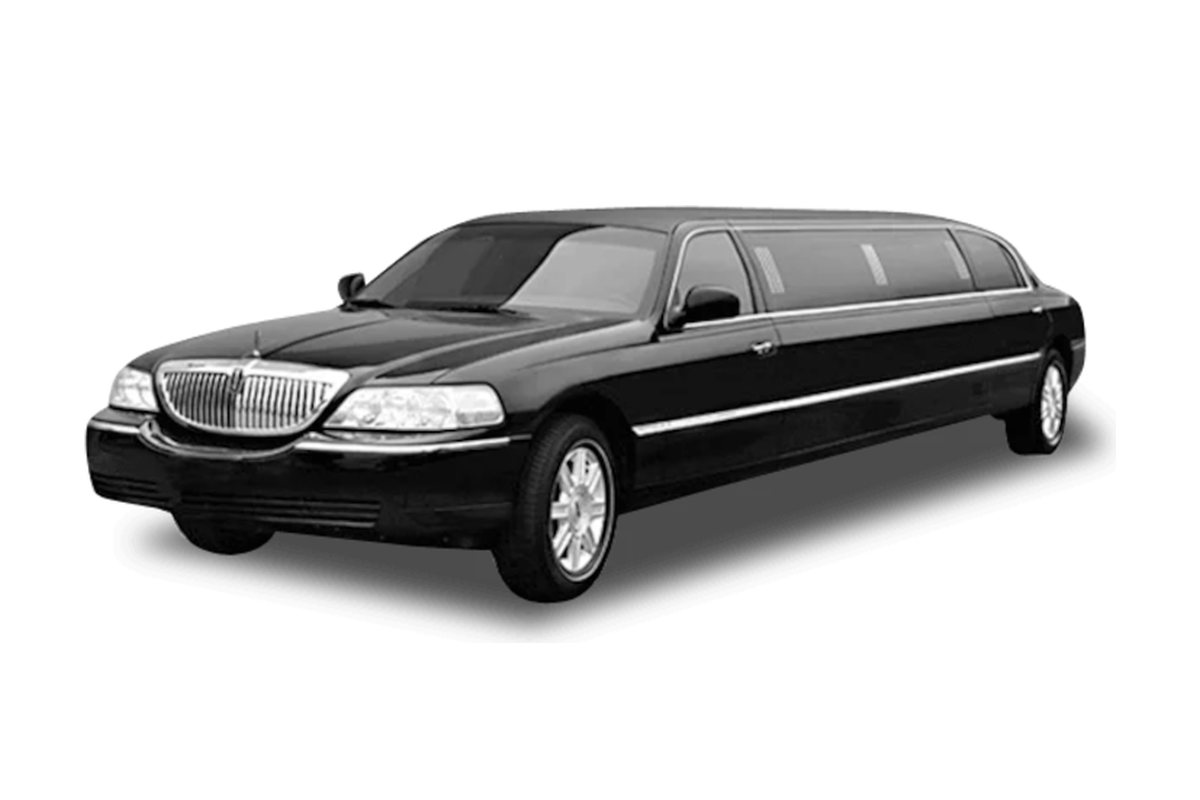
Larger vehicles cost more by a class factor; the rates page lists them.
Why does the drive time range so widely?
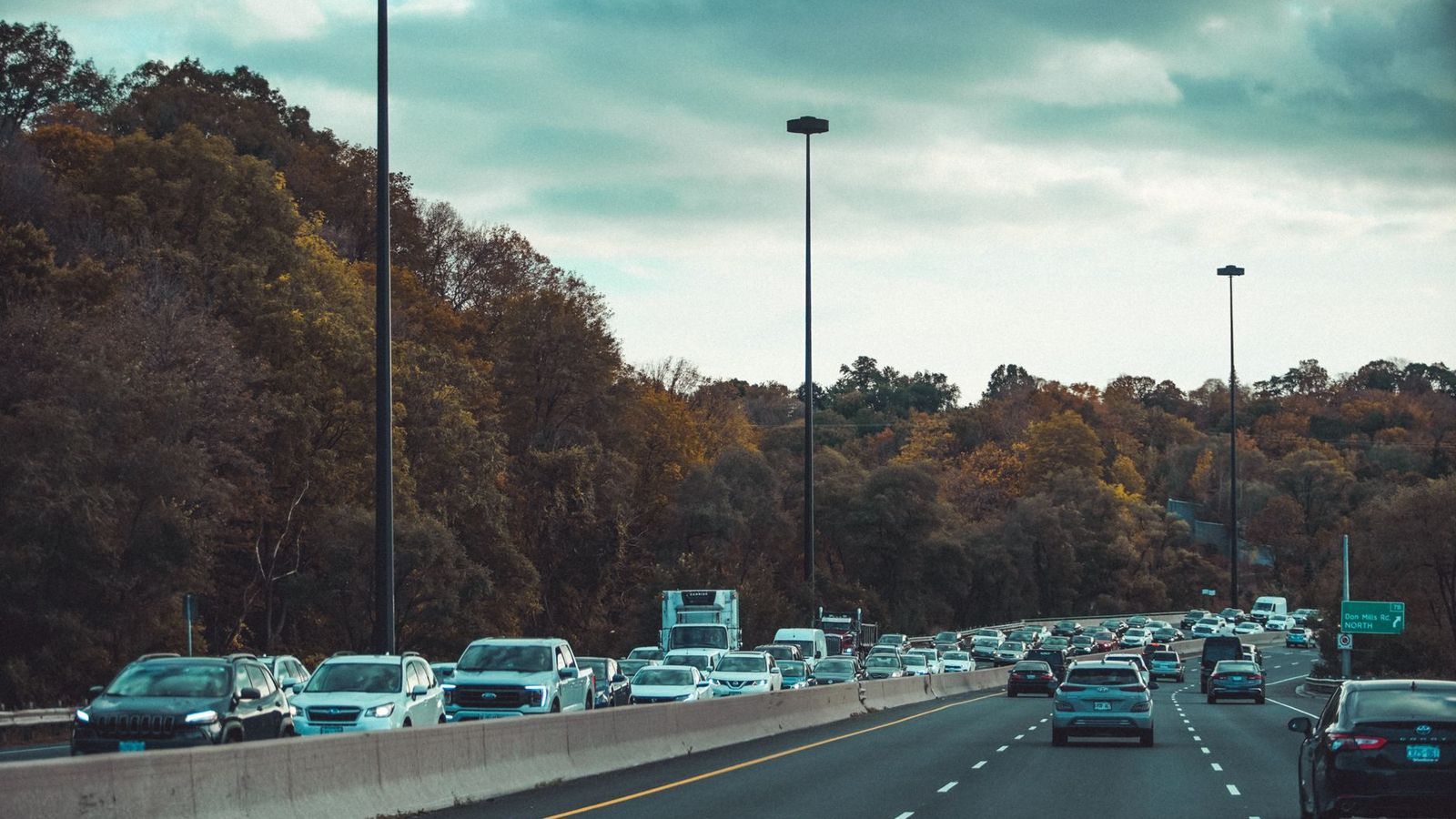
Three things stack up. The first is volume: Highway 400 and the 401 carry commuters, trucks and travellers all at once, and a single stalled vehicle can slow thousands. The second is the downtown approach, where the expressways meet city streets and any delay compounds. The third is season, because winter squalls, cottage weekends and long weekends add their own load.
None of those is under a driver's control, which is why the planning range has a long end and a short end. A chauffeur's job is to pick the road and the departure time that land you inside the range's short end where possible, and to tell you early when the day is not going to cooperate.
What does a 7 a.m. run look like?
A 7 a.m. pickup heading south is inside the morning rush. Barrie is a commuting city, and southbound traffic into Toronto is typically at its heaviest in the morning. Plan on the long end of the range for downtown, 90 to 105 minutes, and a little less for destinations on the way in, such as Vaughan.
The better answer for an early appointment is to leave earlier still. A pickup at 5:00 to 6:30 a.m. meets the lightest traffic of the day, and the saving is real. If your meeting is at nine, a 6:15 pickup gives you the road before the worst and a coffee before you walk in.
What does a 5 p.m. run look like?
Downtown Toronto and the Gardiner are slowest on weekday afternoons from about half past three to half past six, so a 5 p.m. departure from the core is in the thick of it. The northbound flow out of the city is typically the heavy one in the evening, and the drive from downtown to Barrie can sit at the long end of the range, or beyond it on a bad day.
Leaving Barrie at 5 p.m. for the city runs against the commuter flow on the 400, but the downtown end is still busy. If you can, shift a return trip to before four or after seven.
What about midday, evenings and the hours between?
Midday, roughly from the end of the morning rush to mid-afternoon, is the most predictable time and sits in the middle of the range. Evenings after seven and weekend mornings are the next best. A Saturday morning pickup at 8:00 is the case where the short end of 75 minutes is realistic.
For a dinner downtown, the question is less the trip there and more the trip home. A late return at 10 or 11 p.m. is calm, and the chauffeur drives the 400 in the dark with nothing to prove. The Toronto city page lists the neighbourhoods we serve.
How do weekends and holidays change the clock?
From Victoria Day to Thanksgiving, cottage traffic fills Highway 400 and Highway 11 northbound on Friday afternoons and southbound on Sunday afternoons, worst on long weekends. A trip from Barrie into Toronto on a Sunday afternoon meets that southbound stream head-on, and a return from the city on a Friday afternoon joins the northbound one.
Holiday weekends can add a good deal to either direction. If your plan depends on arriving on time on one of those days, leave earlier than the table suggests, or travel on a different day. The chauffeur adjusts the pickup by watching Ontario 511 and tells you when the plan changes.
How does winter change the distance in minutes?
Barrie is in Ontario's snowbelt, and lake-effect squalls off Georgian Bay can close or slow Highway 400 between Barrie and Highway 89 with little warning from November to March. The same squall can leave Toronto dry. On a squall day, dispatch typically brings the pickup forward by 30 to 45 minutes.
Every vehicle runs winter tires from November to April, and the chauffeur checks Environment Canada and 511 before leaving. Our Highway 400 winter travel guide shows how dispatch plans. A fixed fare means a snow day costs the same as a clear one.
What does the road actually look like?
South from Barrie on Highway 400, past the Barrie interchanges at Mapleview Drive, Essa Road, Dunlop Street, Bayfield Street and Duckworth Street, and on to the 401 in north Toronto, then west to the 427 for Pearson or east and south onto the downtown expressways. Alternatively the tolled 407 ETR crosses the north of the Greater Toronto Area.
The chauffeur chooses between them on live conditions rather than a script. For Pearson and other western destinations the 401 west and the 427 are the usual choice, and for the airport the route page covers the details; see Barrie to Pearson.
Is the 407 ETR worth it between Barrie and Toronto?
It can be, when the 401 is badly congested, and it can make no difference when the 401 is clear. The 407 ETR sets its own tolls and the planned-route toll is included in your fixed fare, so you do not pay it separately or approve it at the time.
Whether it saves time is a judgement the chauffeur makes on the day, using the same live conditions that show up on the 511 maps, and it can change between the morning and the afternoon of the same trip. Our post on whether the 407 is worth it between Barrie and Pearson explains the comparison in more detail.
How does the GO train compare over the same distance?
GO Transit's Barrie line runs from Allandale Waterfront and Barrie South to Union Station and is built around commuter patterns. Check GO Transit for the day's timetable, fares and the last train home, because we do not print them.
The train avoids the road and is usually the cheapest way to cover the 114 km if your day fits the timetable. A car suits an early start, a late return, a group, luggage, a stroller, or a destination that is not beside a station. Many people combine them.
What does driving yourself really cost in time?
The cost is the whole day's attention. You drive 114 km in, find parking, and drive 114 km back, with the drive home often after a long day. On a rush-hour day each leg is at the long end of the range, and parking adds a search at each end.
In cash driving yourself is cheaper than a chauffeur for one person; in time and fatigue it is not. A car lets you work, read or rest for the 75–105 minutes, which is a block of time you get back. Whether that is worth the fare depends on what the hours are worth to you.
What about the airports: Pearson and Billy Bishop?
Pearson is about 97 km and 60–85 minutes from downtown Barrie, a touch shorter in time than downtown because the route stops short of the core. Billy Bishop is about 115 km and 80–110 minutes, with cars stopping at the mainland terminal on Eireann Quay while the island itself is reached by pedestrian tunnel or ferry.
For a flight, work backwards from the airline's own check-in advice, then add the long end of the range and a margin, because a missed flight costs more than an early pickup. Our pages for Pearson and Billy Bishop give the terminal details, and the airports' own sites, Toronto Pearson and Billy Bishop, cover security and check-in.
How do I plan a 9 a.m. appointment downtown?
Work backwards from the door. If you want to be in the building at 8:30, take the long end of 105 minutes and add a margin for the unexpected.
| Step | Time |
|---|---|
| Be at the downtown address | 8:30 a.m. |
| Latest pickup if the road is slow (105 min) | 6:45 a.m. |
| Pickup with a margin for an incident | 6:15 a.m. |
| Pickup for the lightest traffic | 5:30 to 6:00 a.m. |
Tell dispatch the fixed point and the pickup is built backwards from it. For an important meeting, we recommend arriving early and using the time rather than running a tight plan.
How should I plan a 7 p.m. dinner or show?
Leave Barrie early in the afternoon rather than at the end of the working day, because the 3:30 to 6:30 window is the slowest. A 1:30 or 2:00 pickup gets you downtown ahead of it with time for a walk and an early table.
For the return, choose between two one-way fares and an hourly chauffeur. Hourly is $135–160 for a sedan with a three-hour minimum, and it suits an evening with no fixed end. Two one-way fares are usually cheaper for a dinner with a known finish. The engine prices both.
How do I book a car for the Barrie to Toronto run?
Open the booking page, enter your Barrie pickup and the Toronto address, choose the date, time and vehicle, and read the fixed fare before you confirm. There is no app and no commission, and one dispatch desk answers for the trip.
Cancellation is measured from the scheduled pickup: more than 72 hours before, no charge; 72 hours or less, 10 per cent; 48 hours or less, 50 per cent; 24 hours or less or a no-show, 100 per cent. For a day in the city, see our Toronto day-trip itinerary, and ask the travel desk about hotels.