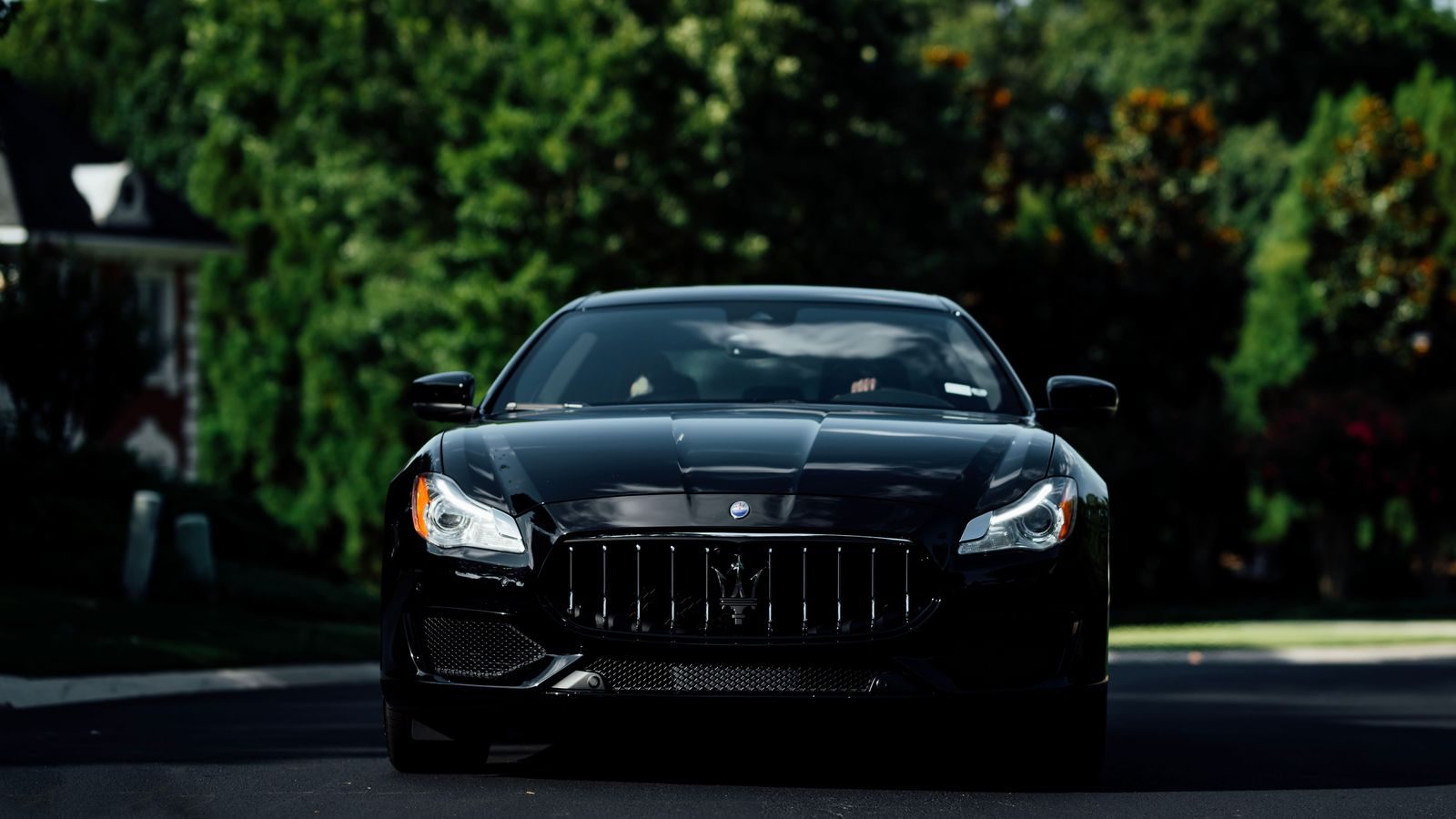

407 ETR rates change by zone, time of day and whether you carry a transponder, so the toll is a moving cost rather than a fixed price. On the Barrie to Pearson run it usually buys predictability more than speed. On a Barrie to Pearson airport limo booking, the 407 and bridge tolls on the planned route are inside the fixed fare.
What are the 407 ETR rates, and how are they worked out?
The 407 ETR does not post one toll for the highway. It charges by the kilometre you drive, and the price of a kilometre depends on where you are on the road and what time it is. The operator divides the highway into 12 zones and sets a cents-per-kilometre rate for each zone, for each period of the day, with weekday rush hours priced highest and overnight and midday cheapest. The structure comes from the operator's own light-vehicle rate chart, which is effective from January 1, 2026.
That means the honest answer to "how much is the toll from Barrie to Pearson?" is "it depends on which stretch you use and when". There is no toll booth, no ticket and no cash lane: the road reads your transponder or photographs your plate.
What do the 2026 407 ETR rates look like for a car?
For light vehicles the 2026 chart tops out at 119.21 cents per kilometre, charged eastbound at a weekday 3:30 p.m. entry in zones 7, 8 and 9. Quieter zones and hours sit well below that peak figure. The operator's announcement of the 2026 rate schedule says the busiest central sections at afternoon rush hour rose the most, by up to 34 cents per kilometre for light vehicles, while zones with lighter traffic were left unchanged at peak.
Notice what that tells a Barrie driver: the highest prices are paid in the busiest, most useful hours, in the central zones. A westbound run toward the 427 on a weekday morning is a different product from an eastbound crawl across the top of the city at 3:30 p.m.
Which other charges sit on top of the per-kilometre rate?
Three things, all taken from the same chart. There is a $1 trip charge on every trip, whether or not you have a transponder. If the camera photographs your plate and you have no valid transponder, there is a $5.30 camera charge for that trip. And the transponder itself is leased: $31.50 plus tax a year, or $5 plus tax a month, while accounts with no transponder pay a $5 monthly account fee.
So a driver who uses the road twice a year pays the per-kilometre toll, the trip charge and the camera charge each time, and may be billed an account fee. A commuter with a transponder pays only the toll and the trip charge. For one airport run, the extras are small next to the toll, but they are not zero.
Where does the Barrie to Pearson run use the 407?
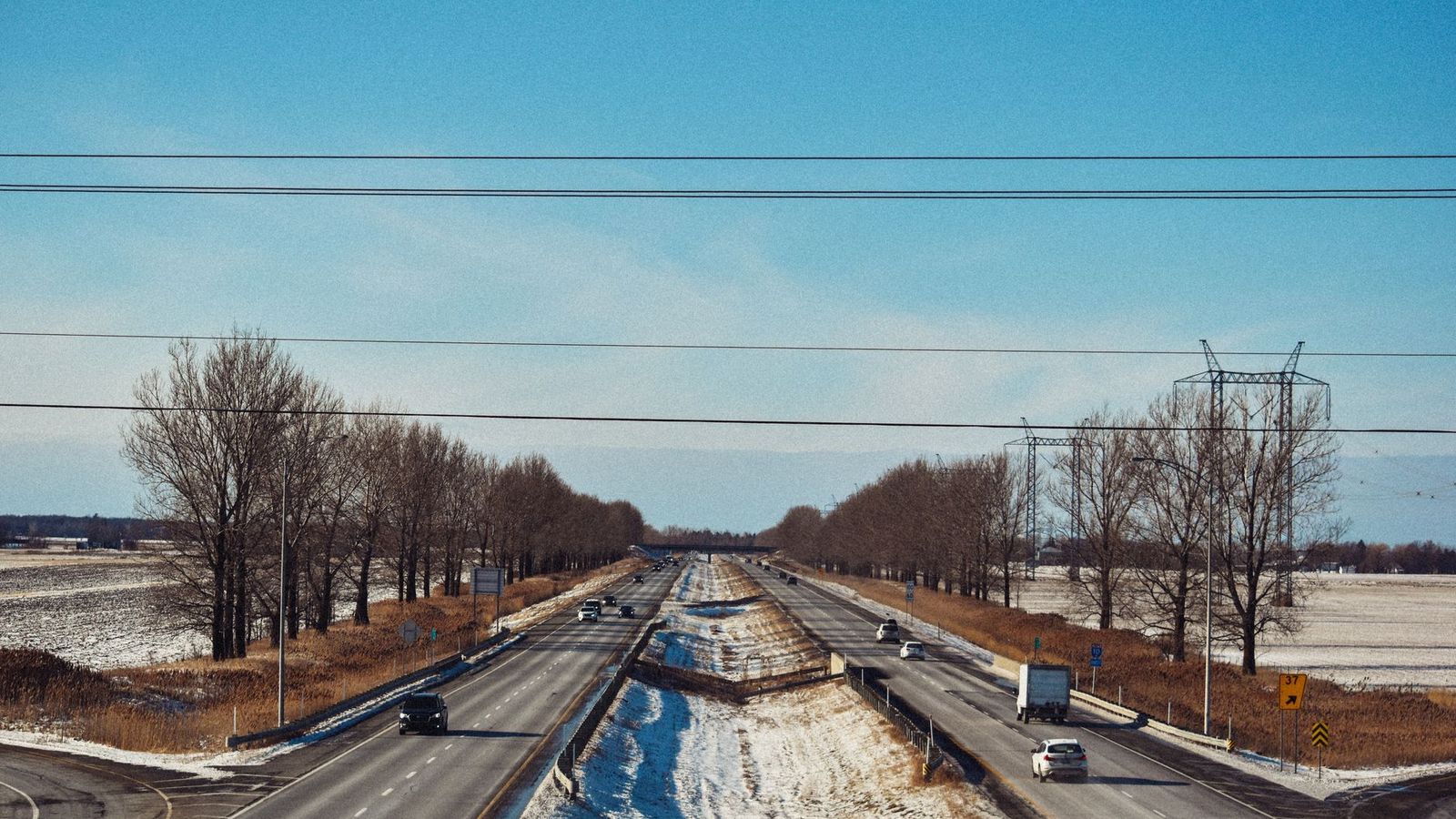
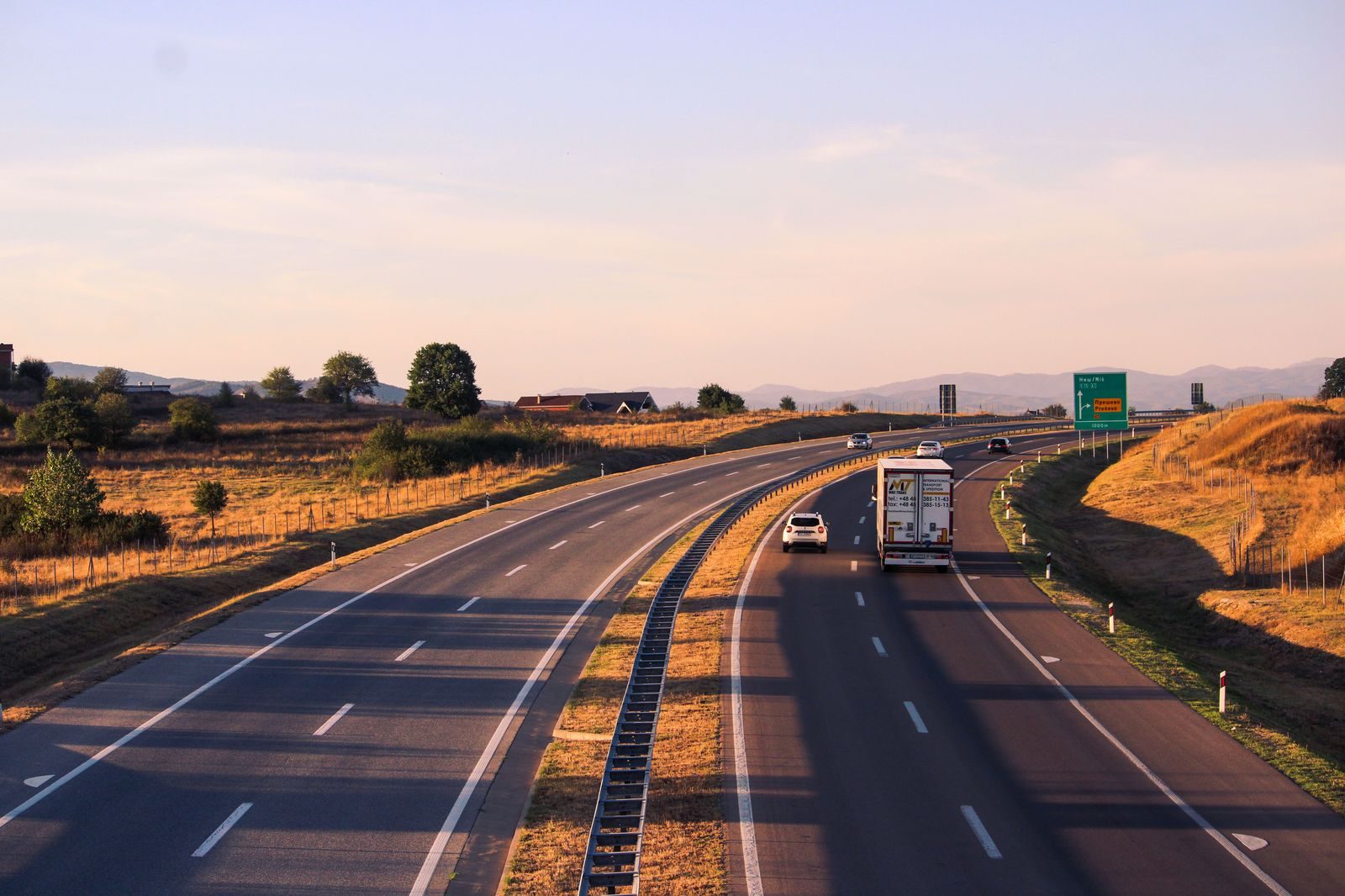
From Barrie the planned route is south on Highway 400 from the Mapleview, Essa, Dunlop, Bayfield or Duckworth Street interchanges. Once you reach the top of the Greater Toronto Area, you choose. The free route stays on the 400 to the 401, runs west and then turns south on the 427 into the airport's terminal roads. The tolled route leaves the 400 for the 407 ETR, travels west and joins the 427 south, bypassing the 401 completely.
The two routes share the same start, the same finish and roughly the same distance of about 97 km. What differs is the road in the middle: a free highway that carries the whole region's traffic against a priced one that carries far fewer cars.
How much time does the 407 save on the way to Pearson?
Our honest rule of thumb is that the 407 earns its toll when something is wrong with the free route, and is a toss-up when nothing is. In weekday rush hours, when the 401 and 427 are heavy, the tolled road can be markedly smoother and, more importantly, steady. On a quiet Sunday morning, the free route is often just as quick and the toll buys nothing.
We do not publish a minutes-saved figure because it would be false precision: the difference swings with the hour, the weather and the last collision. The planning window is the same either way, 60–85 minutes from downtown Barrie, and the extra value of the 407 is a narrower spread inside that window.
| Situation | Free route (400, 401, 427) | Tolled route (400, 407, 427) | What decides it |
|---|---|---|---|
| Pre-dawn pickup, 3:30–6:00 a.m. | Light and quick | Light and quick | Almost nothing; free is fine |
| Weekday morning rush | Heavy on the 401 and 427 | Usually steadier | Reliability for a fixed flight |
| Midday, weekdays | Moderate | Moderate | Whatever is moving that day |
| Friday cottage-weekend afternoon | Slow on the 400 for everyone | Same slow start on the 400 | The 400 is the bottleneck |
| Collision or closure ahead | Can stop dead | Can offer the way around | Live information |
A weekday 7 a.m. departure: which way and why?
Picture a family leaving a Barrie address at 7 a.m. for a 10:30 flight. The 400 southbound is busy but moving, the 401 across the top of the city is heavy, and the 427 southbound approaches fill up as the morning wave of departures arrives. This is the situation where we expect the chauffeur to take the 407, because the passengers have a fixed gate and a spread of 60 to 85 minutes is too wide to gamble on.
Because the toll is inside the fare, the chauffeur decides from what is moving, not from what costs less. A traveller who is driving alone makes a different decision: the toll comes out of their own pocket, and the cheapest minute is not always worth it.
What do a Sunday morning, a Friday afternoon and a snowy Tuesday change?
On a quiet Sunday morning the free route is usually fine and the 407 is optional. On a Friday afternoon from Victoria Day to Thanksgiving, the real delay is on Highway 400 itself, where northbound cottage traffic builds, so the 407 cannot help much with your direction of travel; southbound is lighter, but approaches to the airport fill. On a snowy Tuesday the question is mostly one of safety: a squall can hit the 400 north of the 407 turnoff whichever road you pick, and a toll buys no speed through it.
Check Ontario 511 before you leave. It shows incidents and closures that change which route is better. Our winter airport transfers post covers the snowbelt side.
If you drive yourself, is the 407 toll worth it?
Put a value on your time and on certainty. If missing the 8:15 flight would cost you more than the toll, buy the certainty. If you have a three-hour margin and a quiet road, do not. A simple test: look at both routes in a live map the morning you go, note the difference in minutes, and decide whether those minutes are worth the toll shown by the operator's online calculator.
For illustration only: at 100 cents per kilometre, ten kilometres of the highway costs $10 in per-kilometre toll before the $1 trip charge, and the real figure depends on the zones you cross. Run your own trip through the 407 ETR's own calculator rather than trusting any rule of thumb, ours included.
What if you rent a car or have no transponder?
A rental car is where the 407 can surprise people. With no transponder in the car, the camera charge of $5.30 applies per trip, and a rental company that is billed by the road may pass on its own administration fee: ask what it is before you drive on. If a rental is in your plans, the cheaper choice for a once-a-year trip is often to stay on the free route and leave earlier.
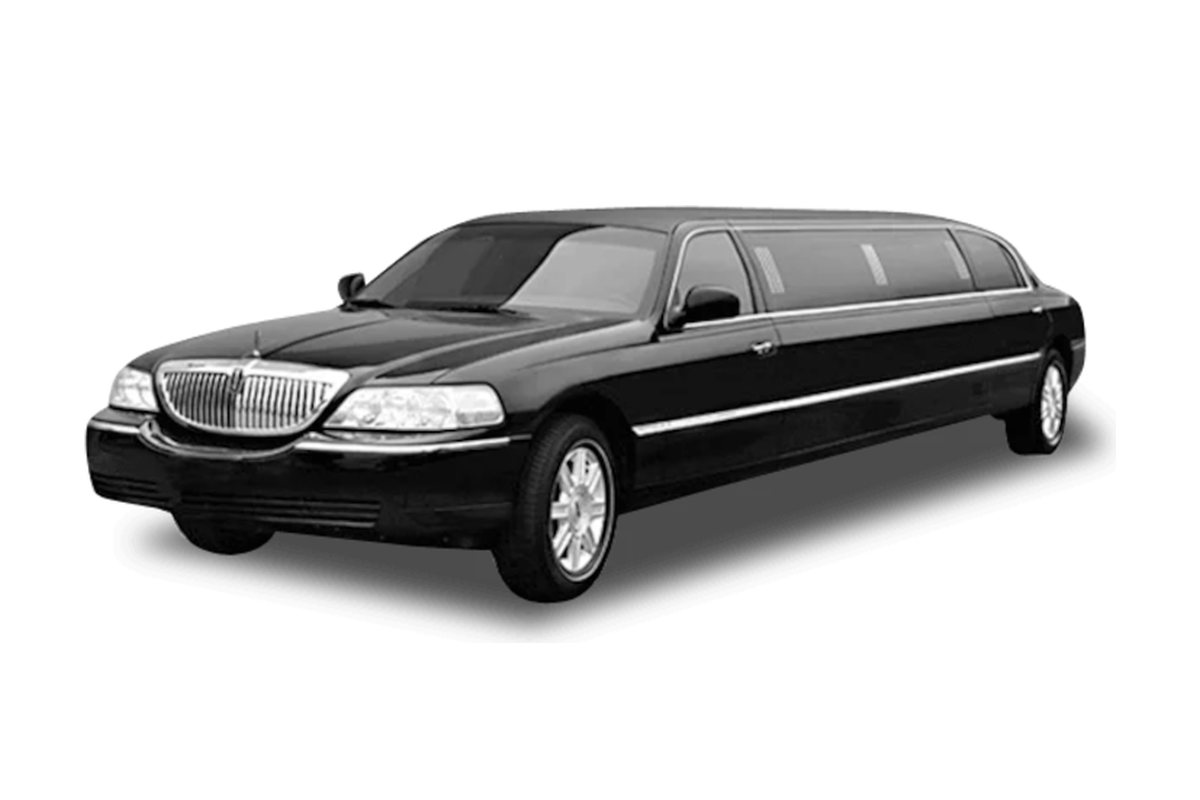
A booked car sidesteps all of it. There is no account, no camera notice in the mail weeks later and no rental-counter fee, because the chauffeur's vehicle carries the transponder and the fare already includes the road.
How does BarrieLimo.net handle the 407 toll?
The reservation engine shows a fixed all-in fare before you confirm. It covers the chauffeur, the vehicle, fuel, the 407 ETR and bridge tolls on the planned route, airport fees and gratuity, with HST shown separately. You are never asked to approve a toll on the way, and the chauffeur never has to weigh your wallet against your flight. There is no surge pricing and no meter.
The practical effect is that the route is chosen for the passengers' benefit. If the free route is moving, the chauffeur takes it. If something is wrong on it, the tolled road is available at no extra line on your bill. Nothing here changes the price you saw when you booked.
What does the Pearson run cost by vehicle?
These are planning ranges for one way between downtown Barrie and Toronto Pearson, in either direction, about 97 km and 60–85 minutes. The reservation engine quotes the exact figure for your address, date and vehicle.
| Vehicle | Passengers / bags | Barrie to Pearson, one way |
|---|---|---|
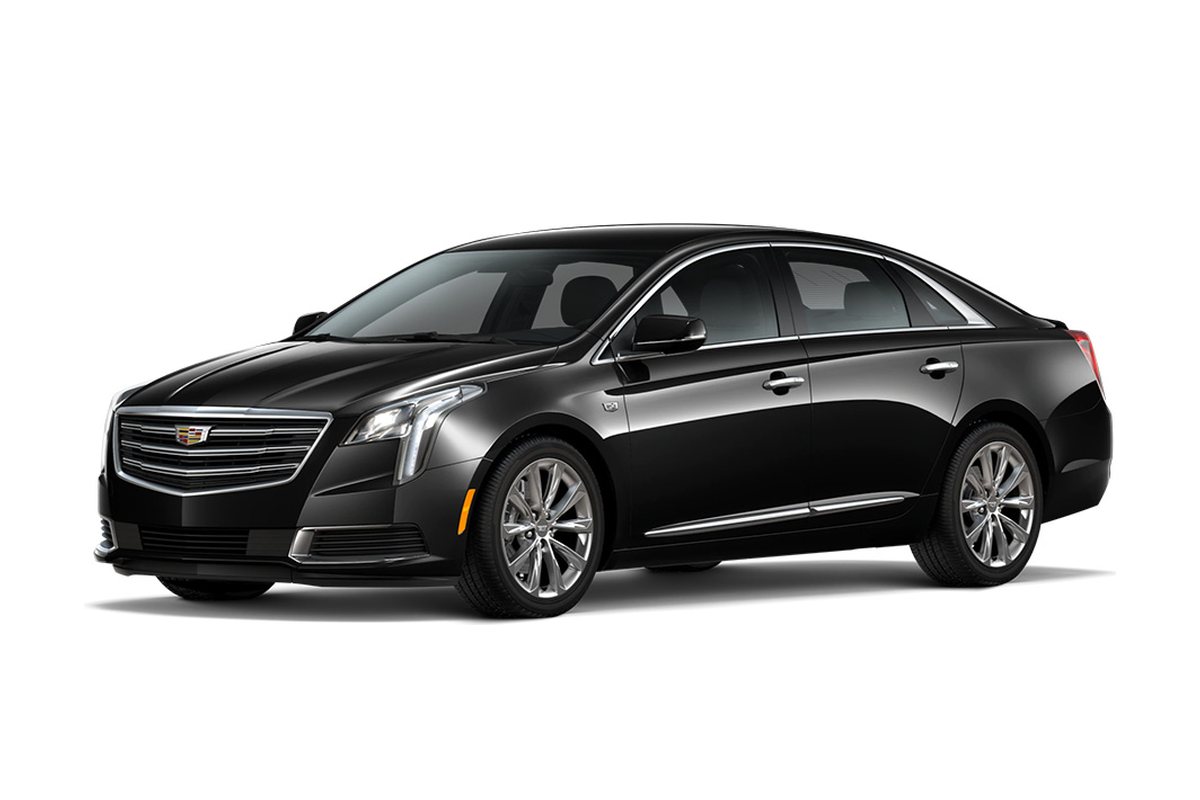
| Business sedan | 3 / 3 | $380–440 |
| Business SUV | 5 / 5 | $490–565 |
| Executive SUV | 6 / 6 | $580–665 |
| First-class sedan | 3 / 3 | $910–1,045 |
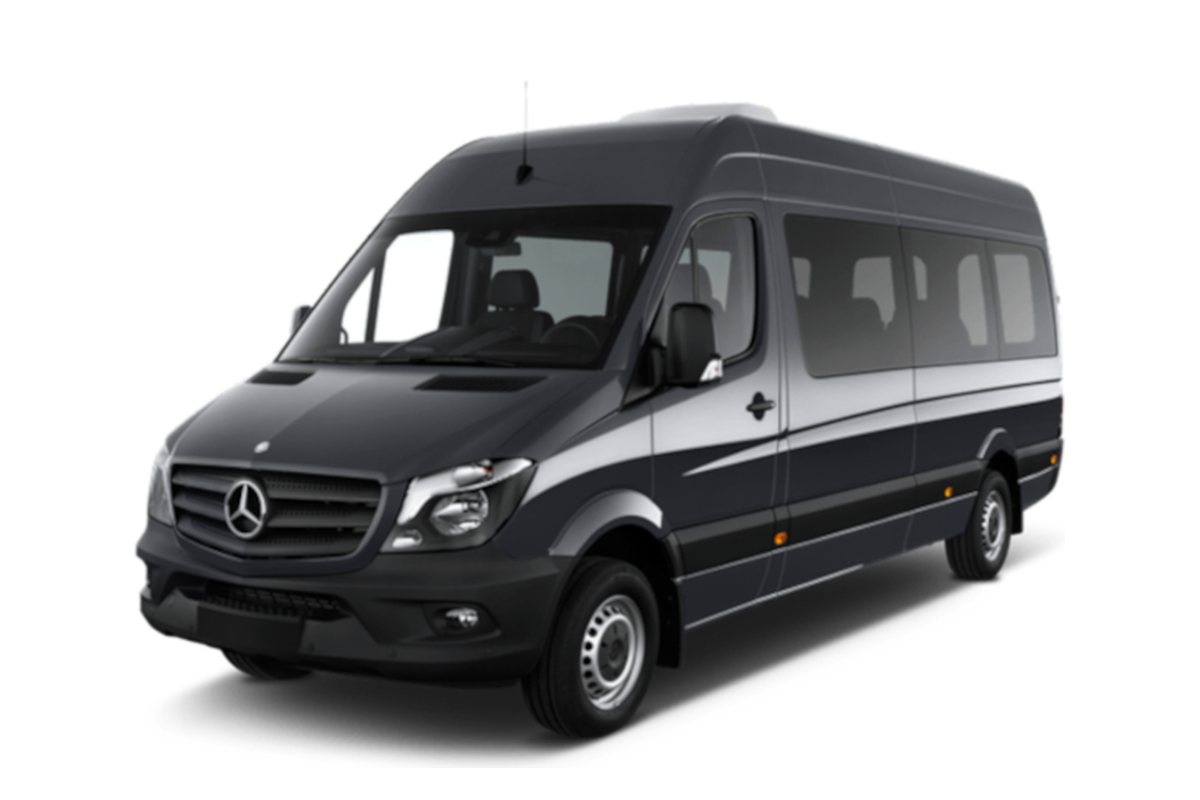
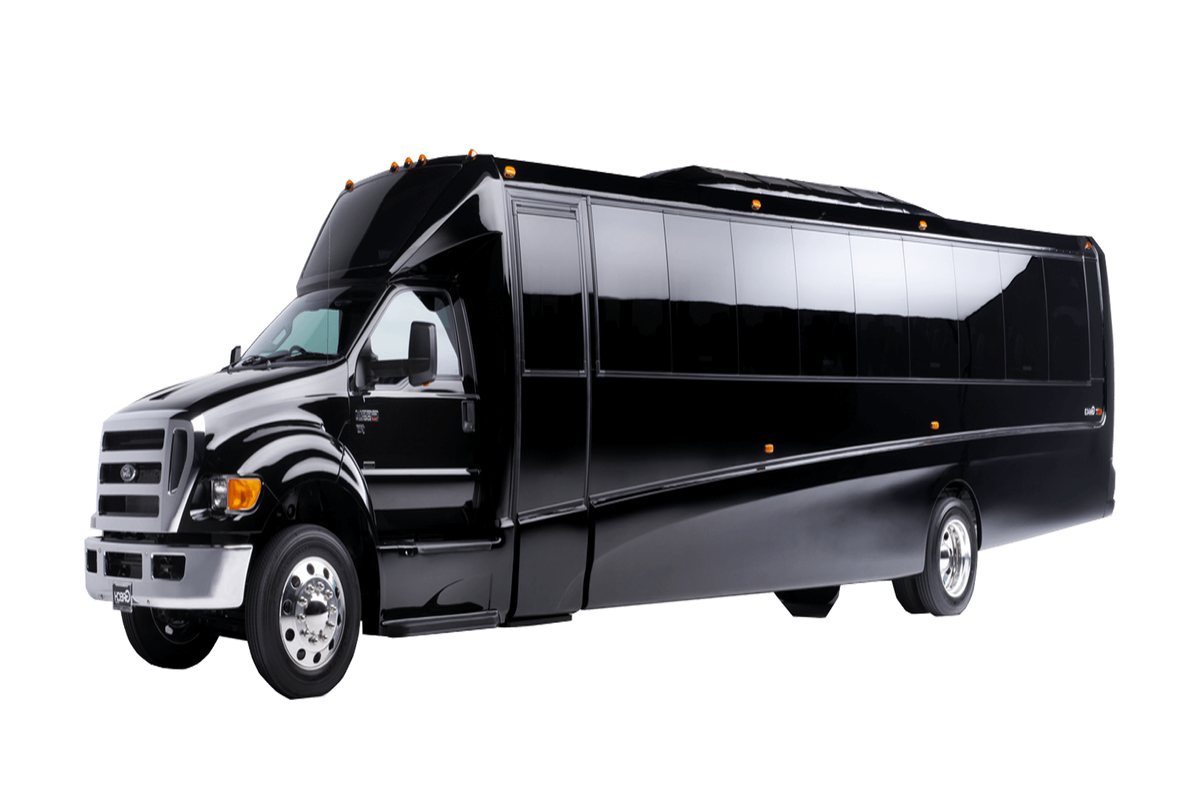
| Sprinter | up to 14 | $1,390–1,600 |
| Jet Sprinter | 7 / 5 | $1,920–2,210 |
The luxury minivan is quoted by the engine for this trip. Tolls are inside every figure above, so the 407 never appears as a separate charge.
Does the toll change anything on the way back from Pearson?
Coming home from the airport, the question flips. A weekday evening journey home has its own pattern: the afternoon and evening peak builds on the 401 and on the 400 heading north, and the 407 can again be the steadier option. A late-night red-eye arrival at 1 a.m. makes the question moot, since every road is quiet and the free route is fine.
Return pickups are flight-tracked, so the chauffeur's timing follows your actual landing, with included waiting counted from landing: 30 minutes on Canadian domestic and US flights, 60 minutes on other international arrivals, then 15-minute blocks. The route decision is made when you are in the car and the live traffic picture is known.
What can go wrong on a toll road?
A priced road is still a road. A collision closes lanes on the 407 just as on the 401, and a toll highway has fewer exits to escape through, so a stoppage can hold you longer once you are in it. Planned construction closures happen too, and 511 lists them. Heavy snow can make any road slow, and a toll road gives no discount for it.
This is why live information beats a fixed plan. A chauffeur checking conditions as you leave, and again at the decision point near the 400, will make a better choice than a rule written in advance. It is also why we recommend a margin on any flight: see our early morning flights guide for the timeline.
When should you skip the 407 altogether?
Skip it when the free route is clearly moving, when you have a long margin, when the trip is off-peak and quiet, or when you would be paying out of your own pocket for a saving you will not notice. Skip it when the weather has made the whole region slow, because a toll buys no speed through a squall.
Take it when your flight does not forgive a bad morning, when a live map shows the free route red and the tolled road green, or when the cost is not yours to worry about. For most Barrie travellers leaving before a flight, the best answer is simply to book a car and leave the decision to the person who is driving.
Why book the Pearson run direct?
Booking on BarrieLimo.net's own engine means no app, no aggregator commission and one dispatch desk that knows your plan. You see the fixed fare, with the tolls inside it, before you pay. If your trip is more than a straight run, the hourly chauffeur service keeps one car and one chauffeur for as long as you need, from $135–160 an hour for a sedan, plus HST, with a 3-hour minimum.
Cancellation is free more than 72 hours before pickup; the rates page sets out the full policy. If you are still choosing a flight, our travel desk with BookingWorldwide.net covers flights, hotels and packages, and the Toronto Pearson airport page lists terminals and pickup points. When you are ready, book your Pearson car.