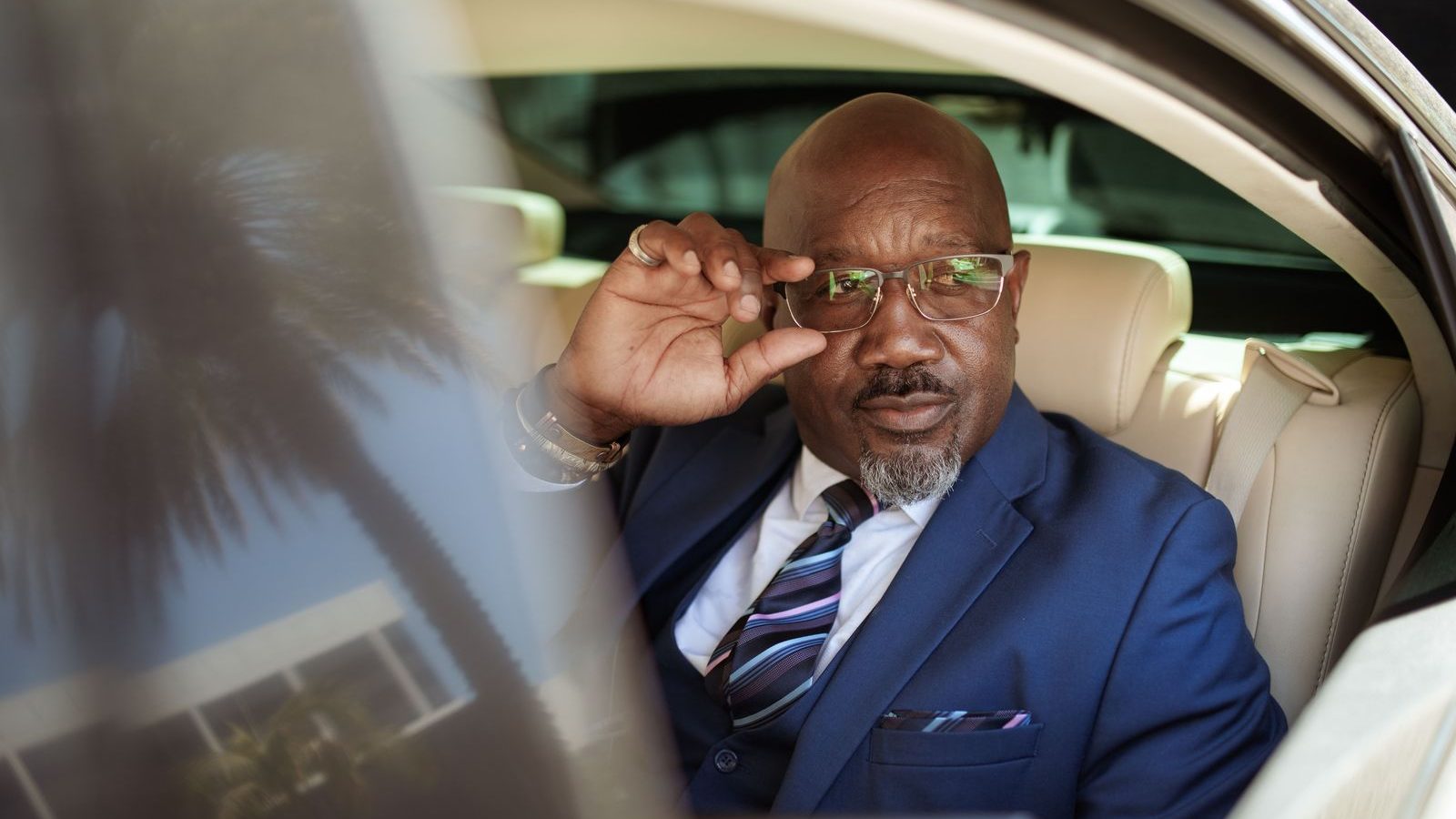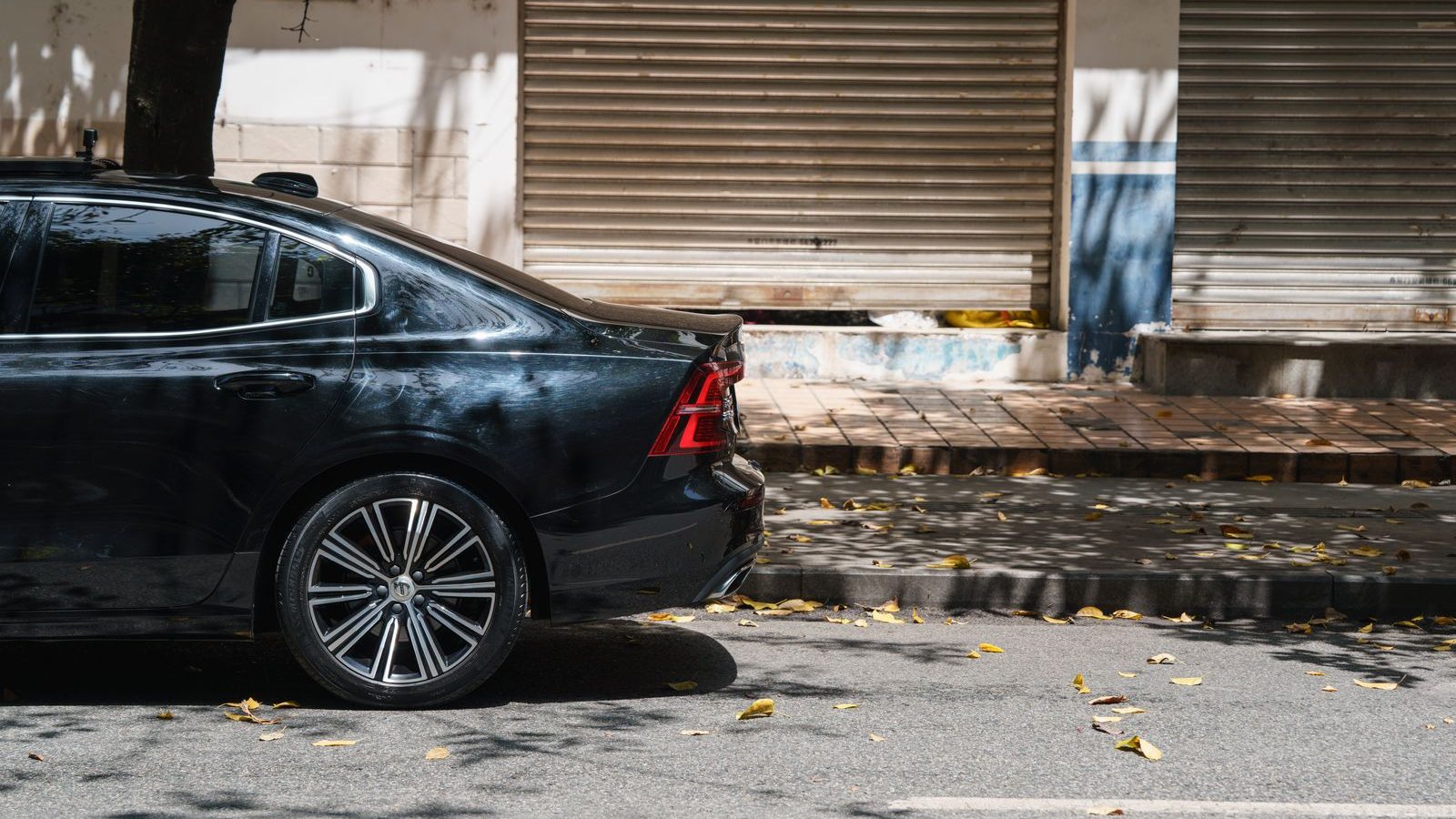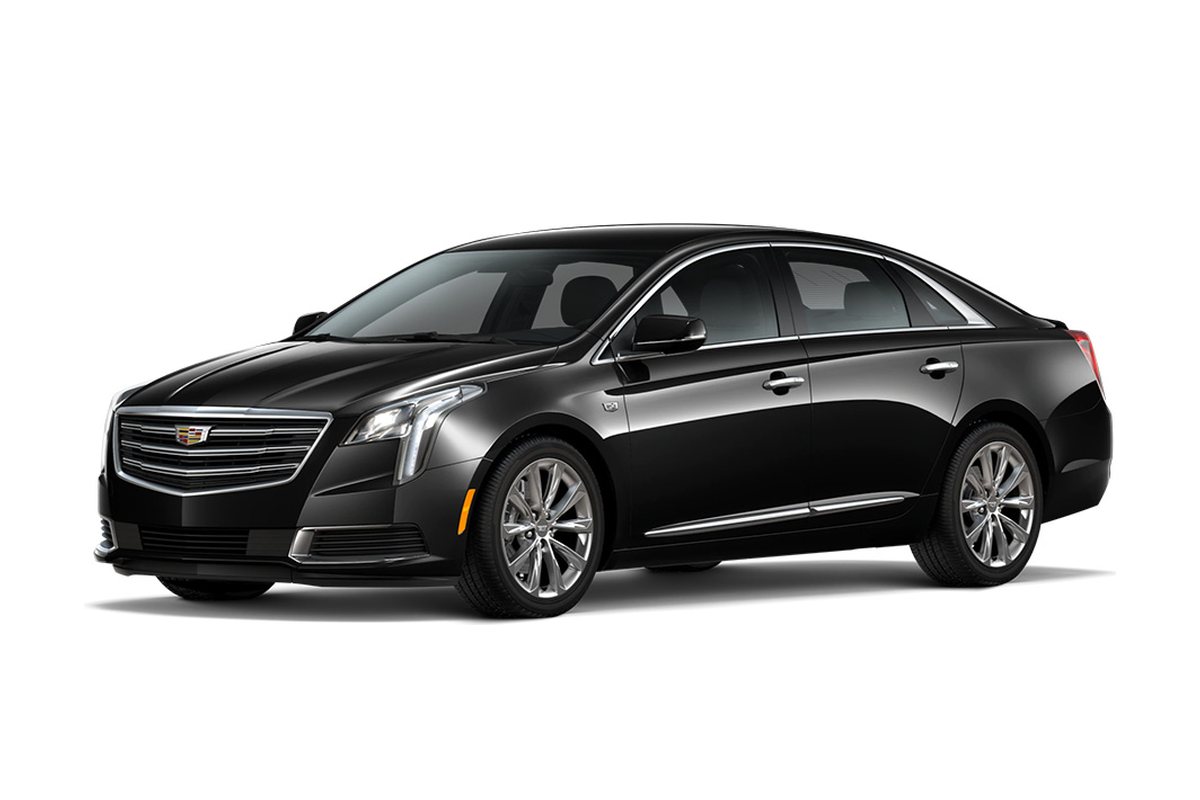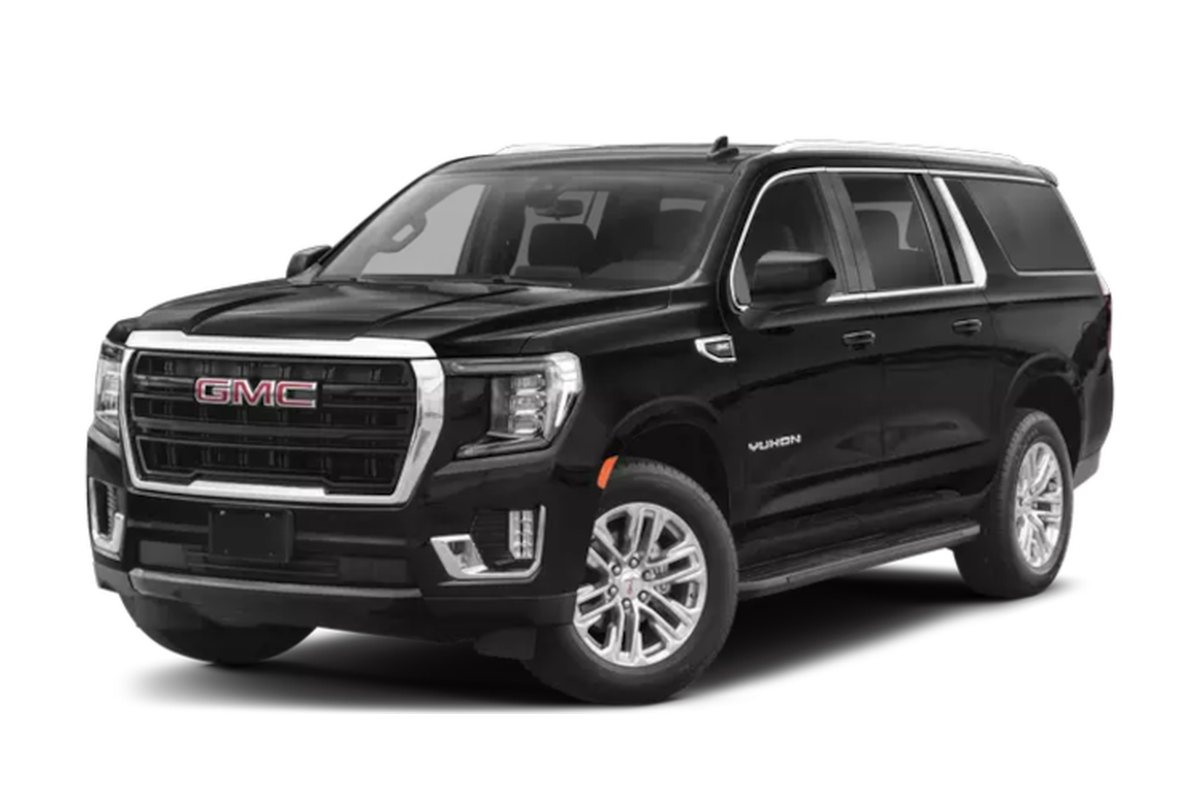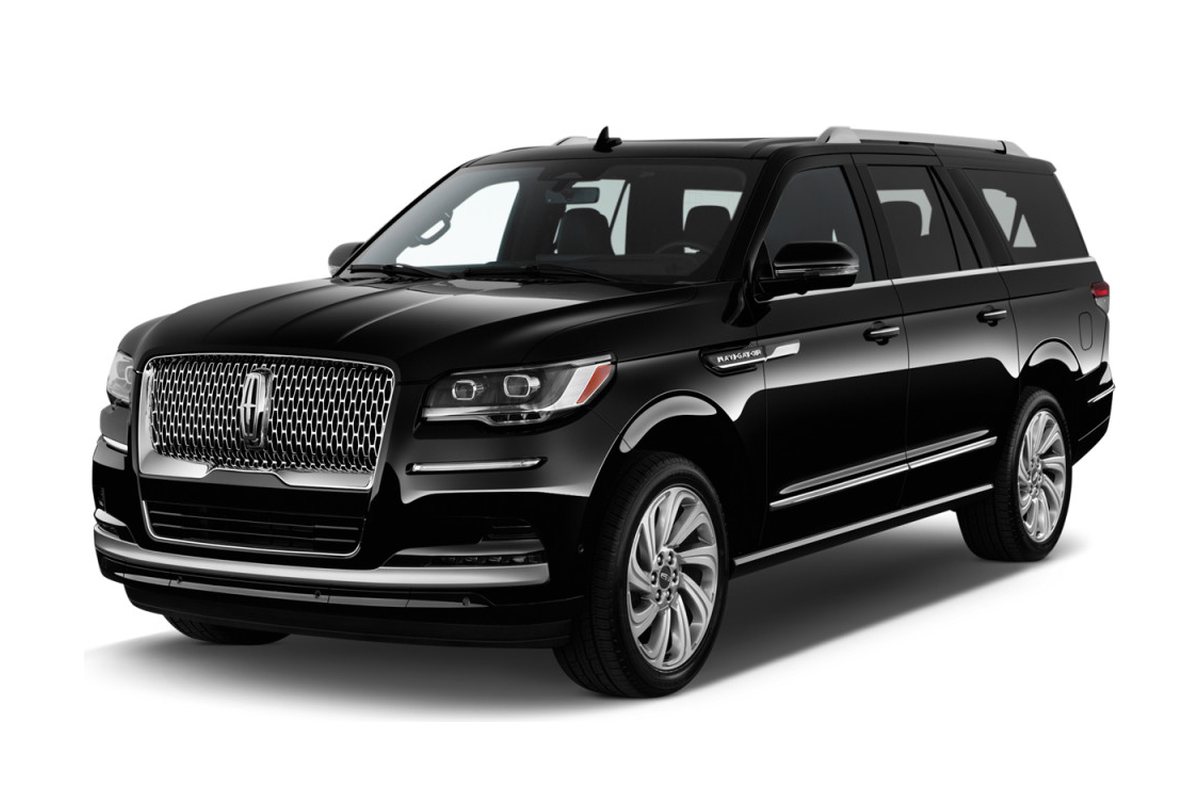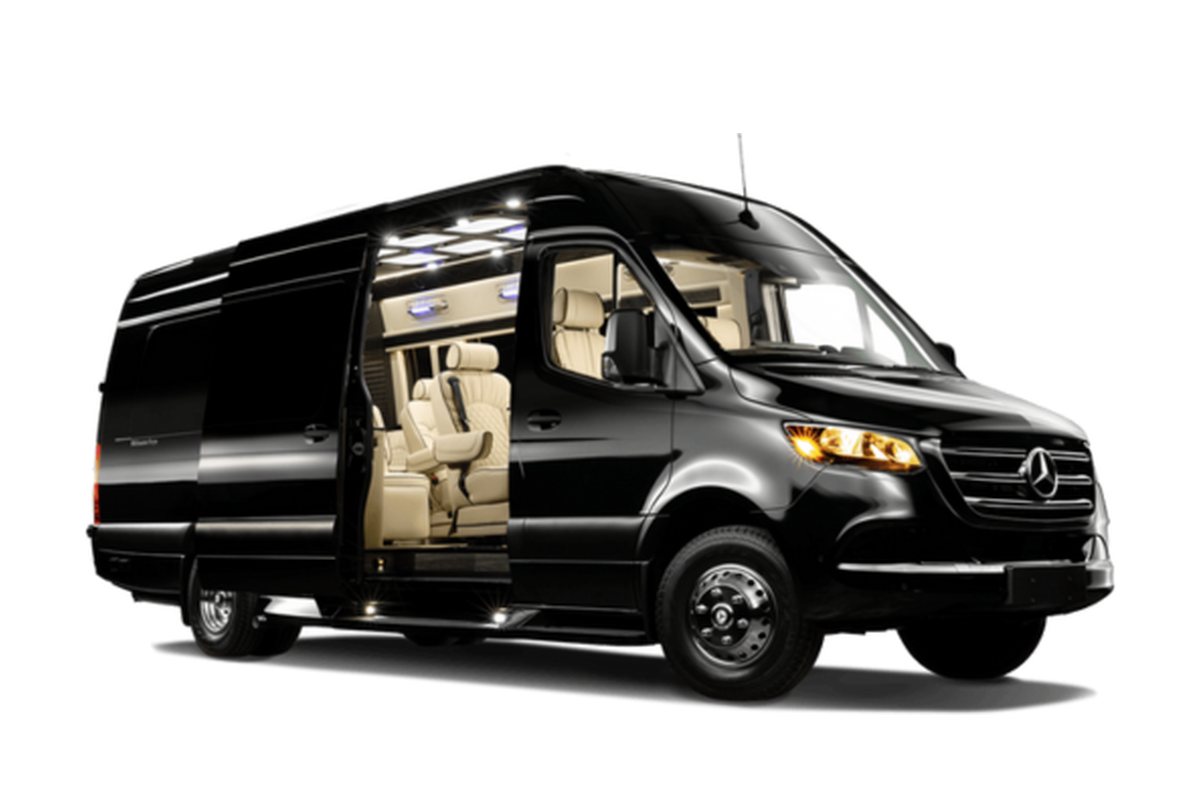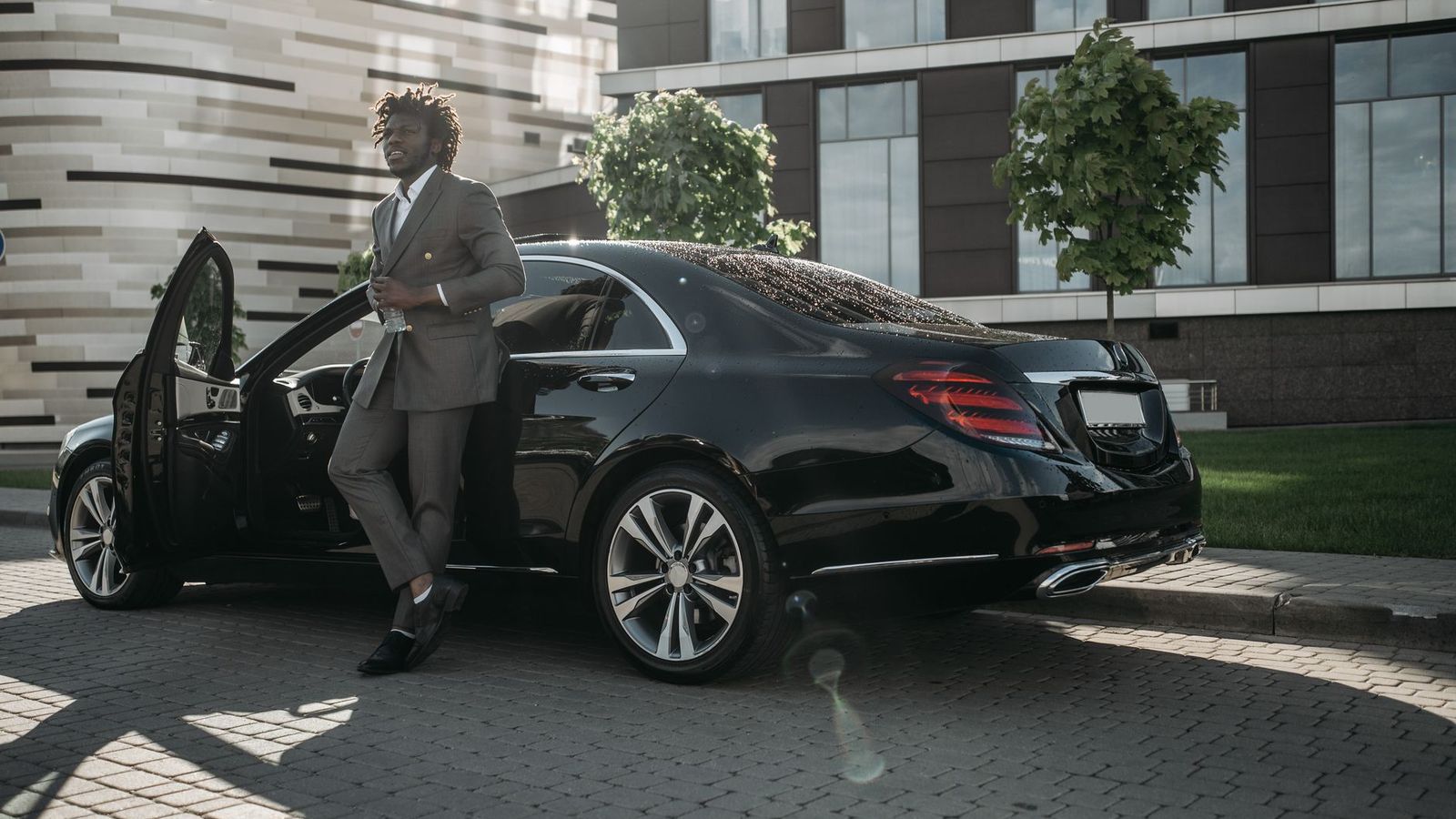
Chauffeur etiquette runs both ways. Expect an early, professionally dressed chauffeur who opens the door, handles luggage and follows your lead on conversation. In return, be ready on time, say when plans change, keep alcohol and smoking out of the car and name one contact for a group. More on our professional chauffeurs in Barrie, or book direct.
What is chauffeur etiquette, and who is it for?
Etiquette is just the habits that let a service run without friction. For a chauffeured car the habits are small and practical: where the car stops, who carries what, when to speak and when to stay quiet, what to do if the day changes. They matter most to people riding for the first time, who often worry about doing it wrong, and to hosts arranging a car for guests who will not know the customs.
None of it is stiff. A chauffeur's job is to make the ride easy, and a passenger who knows the few things that help makes that job lighter. The chauffeurs page describes how our people are screened and presented; this guide covers the other half, the passenger's side.
What should you do before the car arrives?
Be ready at the booked time with your bags near the door and your phone charged. Check that the pickup address, the gate code and the name of the person to phone at the address are in the booking notes. Included waiting is 15 minutes on most pickups, 30 minutes after Canadian domestic and US flights and 60 minutes after other international arrivals, counted from actual landing; after that time runs in 15-minute blocks.
If you are not going to be ready, a short message to dispatch before the car arrives is worth more than any apology at the door. In winter, check Ontario 511 and the forecast the night before and tell dispatch if you would like an earlier pickup.
How do you find your chauffeur at the airport, hotel or venue?
At the airport, the fare includes curbside pickup at the terminal's commercial pickup area, and the chauffeur messages you the door or post once you have landed. A name-board greeting inside arrivals is an optional add-on on the booking form. Pearson uses Terminals 1 and 3, so check your terminal in the confirmation, and the airport's ground transportation page explains its own arrangements.
At a hotel, wait in the lobby rather than at the curb. At a venue, agree one pickup point in advance and be at it. Nobody finds a black car in a crowded festival lot by waving, which is why the pickup spot is agreed first.
Where should you sit?
Anywhere you like. In the rear seat the door on the curb side is the right-hand one in Ontario, and some guests of honour choose that seat, simply because the door opens onto the sidewalk and not into traffic. With two passengers, the second takes the other side; with a third, the middle.
The front passenger seat is available if you prefer it, for instance if you tend to feel unwell in the back. Tell the chauffeur and the luggage plan adjusts. Seat belts are on for everyone in the car, and Ontario's Highway Traffic Act requires passengers aged 16 and over to wear them.
Who handles the doors and the luggage?
The chauffeur does. They open the door, load and unload the bags, and set the cases on a cart at the airport if you want one. It is part of the job, not a favour, and you can let them. A sentence about anything fragile, a laptop bag you want beside you, or a case you would rather carry yourself is all that is needed.
If you prefer to open your own door, that is fine too. The chauffeur is not offended, though in rain or snow most passengers are glad of the umbrella. For heavy equipment, such as golf bags or skis, mention it at booking so the right vehicle arrives.
Should you chat or stay quiet?
Follow your own preference. The default for our chauffeurs is to follow your lead: greet you, confirm the route and then speak only when spoken to if you are working or resting. If you want conversation about the town, the lake or the best place to eat in Collingwood, chauffeurs usually have plenty to say.
The easiest way to set the tone is a sentence at the start: "I have a call to make on the way" or "I would love to hear about the area." Either is welcome. A chauffeur who is told what you want gives it; one who is guessing plays safe and stays quiet.
Can you take calls and have private conversations?
Yes. A chauffeured car is a private room, and calls, video meetings and quiet work are exactly what many clients use it for. Chauffeurs use their own phones hands-free and only for the trip. Discretion is part of the job: who was in the car, where they went and what was said stay in the car.
If a conversation is sensitive, say so before the call, and the chauffeur will keep the cabin as quiet as possible. For companies with formal requirements, our note on the NDA and privacy protocol for VIP transportation explains what can be arranged.
Can you eat, drink or smoke in the car?
Smoking and vaping are not allowed in or near the vehicle. Alcohol is not allowed on board, in any class, on any occasion; the guide to drinking in a limo in Ontario explains the reasoning. Bottled water is carried in the car.
Food is a question to put to the chauffeur or dispatch. A coffee for the road is usually fine; a greasy takeaway on a leather seat is not, and children's snacks are better when they are tidy. In slush season, wipe or leave your boots at the door of the car: mats are cleaned between trips, but a few seconds of care keeps the cabin pleasant for the next person.
What about music, temperature and the hands-free phone?
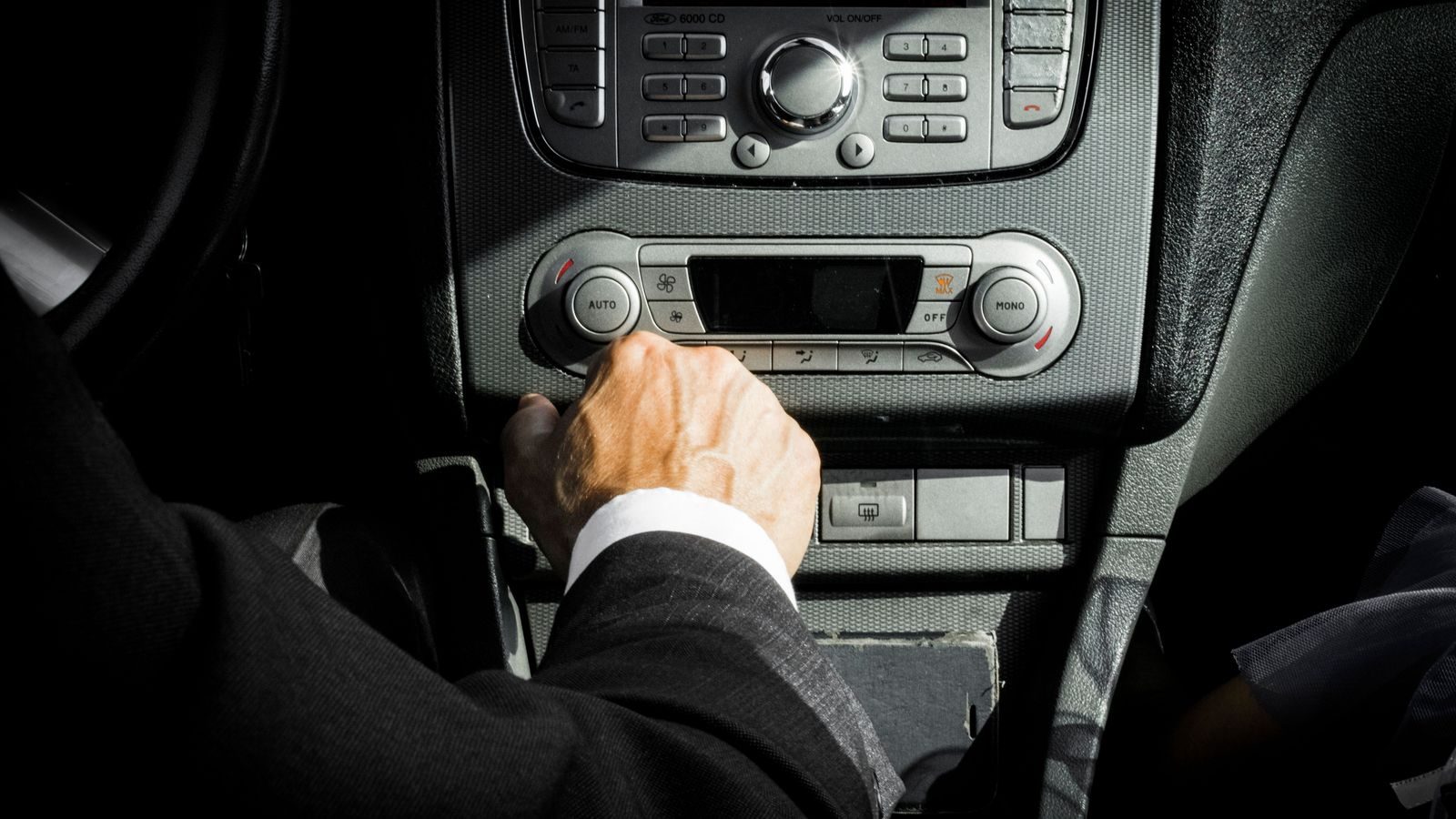
The cabin is set to a comfortable temperature before you step in, and you can change it. Ask for warmer, cooler, quieter or a different station and the chauffeur will adjust; it is your ride. If the party disagrees, a quick word among yourselves settles it faster than a request to the chauffeur.
The chauffeur's phone is for the trip, not for chatting. If you need the chauffeur to take a call from dispatch or from your assistant, they will do so hands-free, and keep it short. If you need silence, say so; the music goes off and the cabin goes quiet.
What if you are running late or the plan changes?
Tell dispatch, not just the chauffeur: the desk can see the next job and the traffic, and it can adjust other things at the same time. On an hourly booking, changes are normal. Add a stop, stay longer at lunch, change the drop-off. Extra time is added in 30-minute blocks at the same rate. On a one-way fare the route is the planned one, so mention an extra stop at booking or on the day and dispatch will advise.
For flights, give the flight number: your pickup is timed to the actual landing, and delays are tracked. If you are going to miss a connection or a hearing or a ceremony, say so early. The flight tracking and meet and greet guide shows how it works.
How should groups behave?
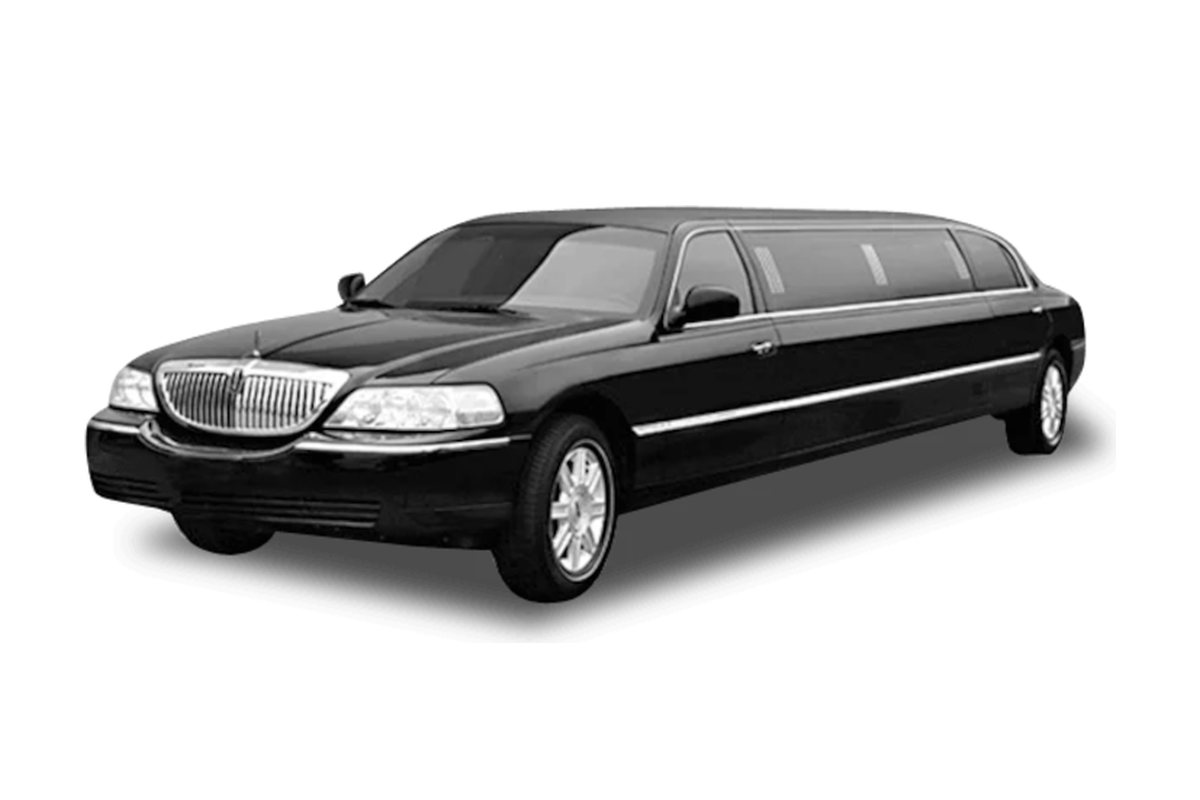
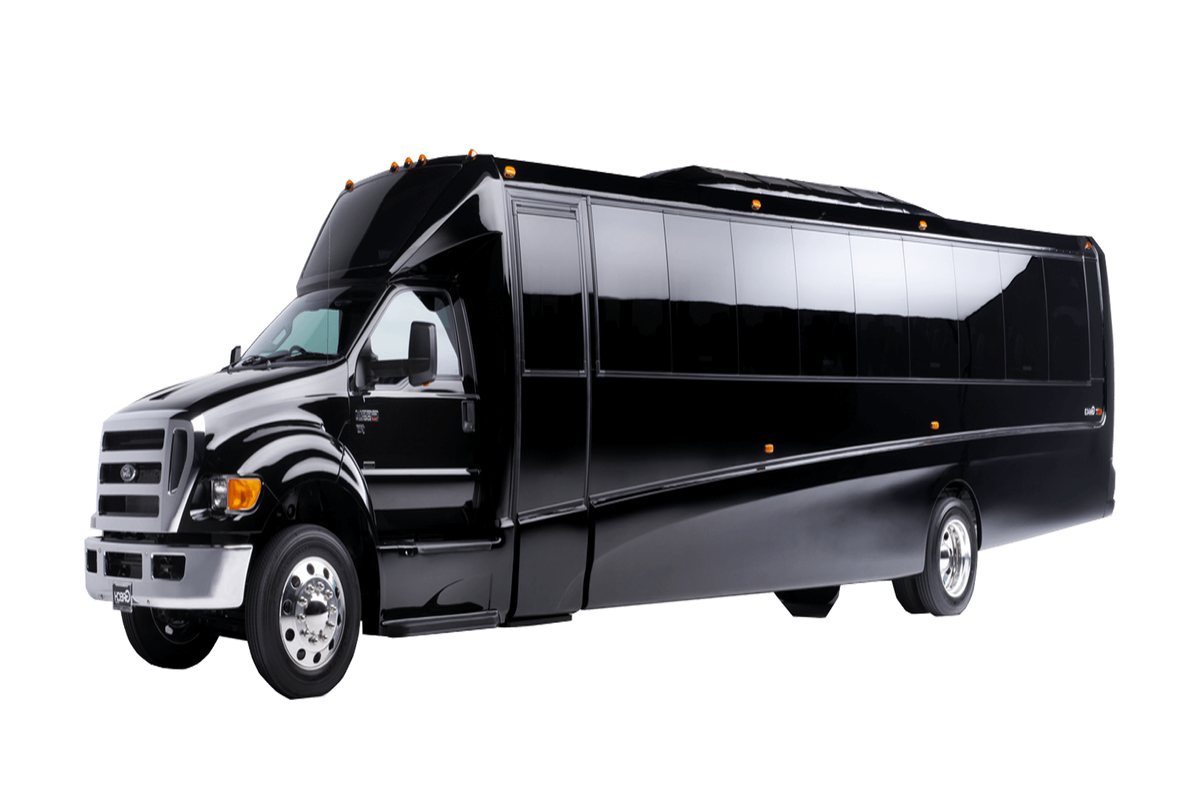
Choose one contact. A group of eight with eight opinions is hard to serve; one person who speaks to the chauffeur and to dispatch makes the evening flow. Arrive at the pickup together, count heads before the car leaves, and agree the return pickup point before anyone wanders off. On a party bus or stretch limousine, the same rules apply, and alcohol stays out of the vehicle.
If the group will split, with some leaving early, tell the chauffeur. If a late guest is delaying the rest, the 15 minutes of included waiting is a generous margin that disappears fast. See the stretch limo capacity guide for how to size and seat a group.
What about children, pets and older relatives?
Children travel in seats added at booking, from $25 each; tell us the age. Ontario's guide to child car seats explains the types. A pet needs approval before the day: request it on the booking and wait for our written reply. Service animals are always welcome, and a word when you book helps us plan the cabin.
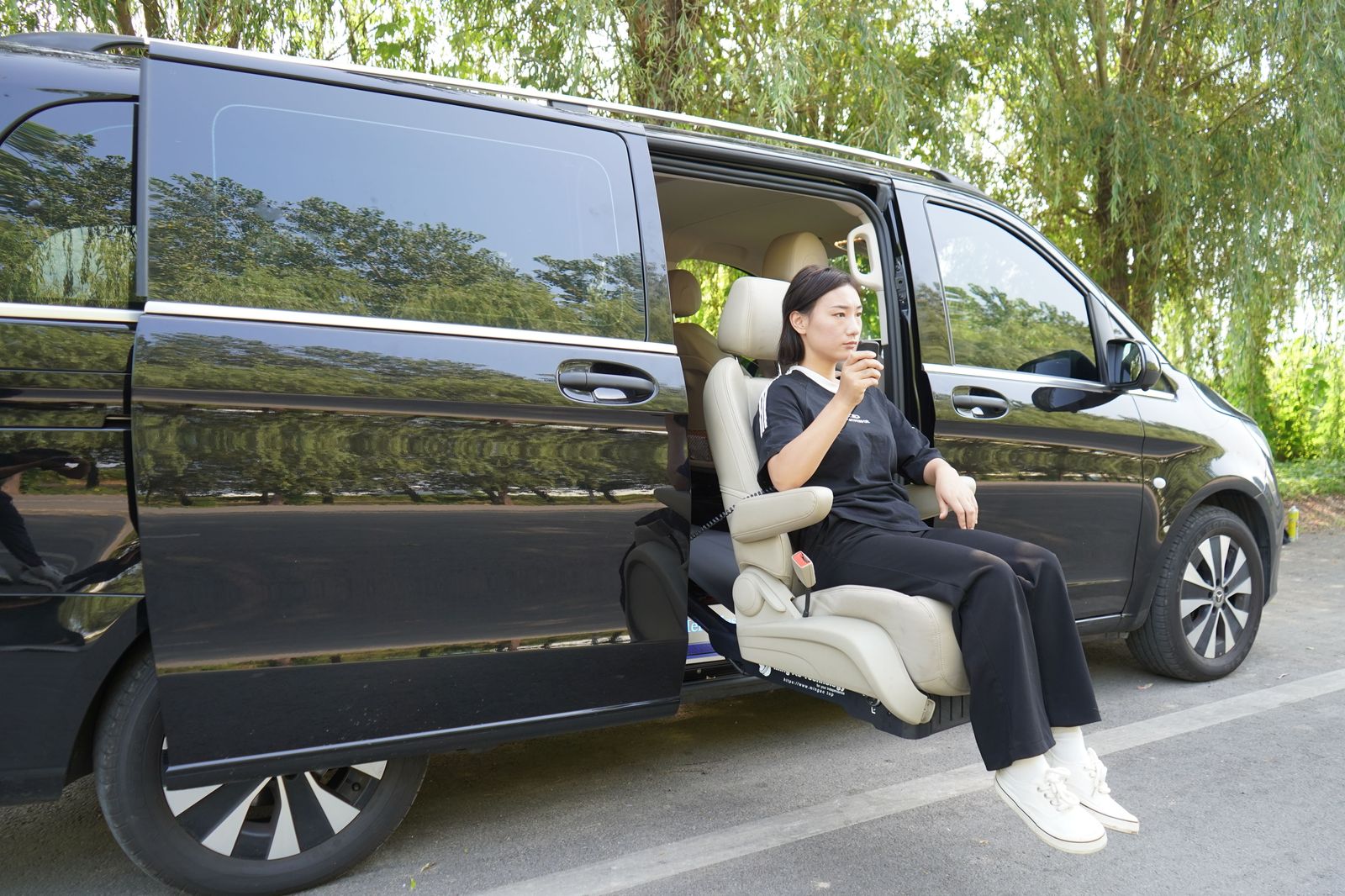
Older passengers set the pace: the chauffeur does not hurry anyone, and the booking has margin built in. For a wheelchair or scooter, a wheelchair-accessible vehicle is available when booked in advance. Our posts on child seats and family airport trips and travelling with pets go further.
What should you do at the end of the ride?
Check the seat, the floor and the door pockets for phones, wallets and anything you set down. Agree the pickup point and time for the return if the car is waiting, and say when you expect to be back. There is no payment in the car, so nothing changes hands at the curb.
If the chauffeur has done something you appreciated, say so, either to them or to dispatch. The tipping guide explains why gratuity is already inside a BarrieLimo.net fare.
What can you expect from the chauffeur in return?
- Arrival ahead of the booked time, waiting out of the way until you are ready.
- Business attire, a clean and detailed vehicle and a cabin at a comfortable temperature.
- Doors, luggage and a hand where you need it.
- A planned route, with an explanation if traffic or weather changes it.
- Honesty about delays, communicated before you have to ask.
- Discretion about everything seen and heard in the car.
If any of those slips, tell dispatch on the day so it can be fixed.
What is the quick-reference version?
| Situation | What to do | Why |
|---|---|---|
| Running late | Message dispatch before the car arrives | Included waiting is 15 minutes on most pickups |
| Flight changes | Give the flight number | Pickup follows actual landing |
| Extra stop on an hourly day | Tell the chauffeur | Extra time runs in 30-minute blocks |
| Group of any size | Name one contact | One voice keeps the plan clear |
| Alcohol, smoking, vaping | Leave them outside the car | The rule applies in every class |
| Child or pet | Tell us at booking | Seats from $25; pets need written approval |
| A problem in the car | Tell dispatch on the day | It is easier to fix at once |
If you are arranging flights and hotels too, the travel desk can search them, and our dispatch desk will time the car to match.