Diplomatic and consular transportation from Barrie means a protocol-aware chauffeur and a late-model car for officials and delegations travelling between the Toronto consulates, Pearson and Simcoe County, Muskoka or Georgian Bay. BarrieLimo.net charges from $155 an hour in a business sedan, all-in with taxes and a 20% gratuity included, invoiced to the mission.
What does diplomatic and consular transportation from Barrie involve?
Most consular work in Ontario is run out of Toronto, yet a surprising share of official travel ends up north of the city. A consul general opens a trade office in Simcoe County, a minister's visit includes a plant tour near Alliston, a delegation spends two days at a Muskoka resort for a retreat, an honorary consul who lives in Barrie needs a car for a citizenship ceremony, or a visiting defence attaché has meetings at CFB Borden in Essa. Each of those days needs a driver who understands that the passenger is representing a country, not just catching a ride.
That is what this service is: a trained chauffeur, a vehicle no older than four model years and a coordinator in our Barrie dispatch office who plans the movement with the mission's staff. You can book a single afternoon, a three-day visit with several cars, or a standing arrangement for a post that sends people north every month. The chauffeur keeps to the programme, the coordinator keeps the programme current, and the mission gets one invoice at the end.
Who books consular and delegation travel north of Toronto?
The requests we plan for most often come from:
- Consulates general in Toronto moving a head of post or a consul to meetings in Barrie, Orillia, Collingwood or Muskoka.
- Honorary consuls based in Simcoe County who need a dignified car for official functions without keeping one on staff.
- Trade and investment delegations touring manufacturers in Alliston, Bradford and the Barrie business parks.
- Ministerial and parliamentary visits where the programme includes a stop in a riding north of the Greater Toronto Area.
- Defence and security visitors heading to Base Borden, booked through the attaché's office with a cleared itinerary.
- Cultural and academic delegations visiting Georgian College, a festival or a sister-city partner.
Each of these has a different tempo. A trade mission is a tight schedule of short hops; a resort retreat is long waits and late dinners; a ministerial visit is a fixed timetable that cannot slip. We plan the chauffeur's day around the tempo, not the other way round.
How do protocol-aware chauffeurs work with an official passenger?
Our chauffeurs are briefed before every official assignment on the people they will carry and the order in which things happen. The habits that matter:
- Seating by precedence. The senior passenger normally takes the rear seat on the curb side, with the host or an aide behind the driver, unless the mission's protocol officer asks for something else. The chauffeur opens that door first.
- Forms of address. The chauffeur uses the title the mission gives in the briefing and never improvises one. If nobody says, "Sir" or "Madam" and silence will do.
- Time discipline. The car is positioned ten to fifteen minutes before the programme time, engine warm in winter, and the chauffeur confirms readiness to the aide by text rather than by knocking on a door.
- Quiet in the cabin. Conversations in the back seat are not the chauffeur's business. The radio stays off, the partition question is settled before the first leg, and the chauffeur speaks when spoken to or when the route has to change.
- Dress and vehicle. A dark suit, a clean car with no company markings, and nothing on the dashboard but what the trip needs.
None of this is a special performance. It is what a chauffeur who carries officials every week does without being reminded, and it is why missions tend to ask for the same person on the next visit.
How is a multi-vehicle delegation coordinated on Highway 400?
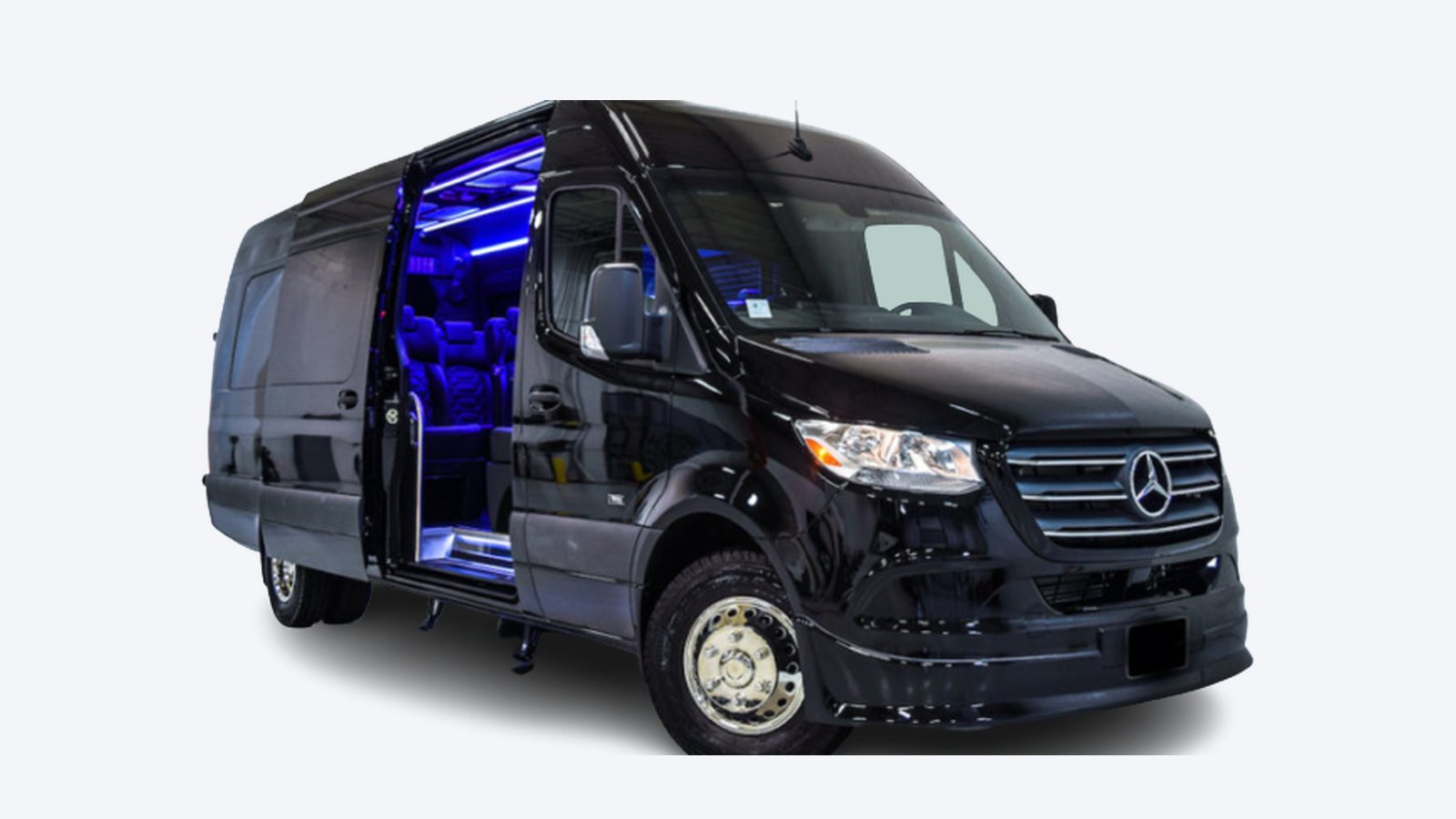
A delegation of more than three or four people rarely fits in one car, and the cars need to move as a single unit. For a visit of that size the coordinator builds a movement plan with the mission: which car carries the principal, which carries staff and interpreters, and whether a Sprinter or a luggage vehicle follows. Each chauffeur receives the same sheet with the order of cars, the drop and pick-up doors at every venue, and the contact number of the aide in charge.
On the road the cars travel in a fixed order and keep each other in sight, with the lead chauffeur calling ahead on construction around the Highway 89 interchange or slow traffic through Bradford. At each stop the principal's car arrives first and leaves last, so the senior passenger is never waiting on the pavement for a staff car. If the programme slips at one venue, the coordinator re-times the later stops and tells every chauffeur at once.
Be clear on one point: we coordinate vehicles, not escorts. Police escorts, road closures and protective details for official visits are decided by the responsible authorities and the mission, and our chauffeurs take direction from them when they are present. Where a visit carries a higher level of risk, the armored car service page explains how protected vehicles are sourced.
Can the car display a national flag?
Only where it is permitted and only when the mission asks. Some heads of post are entitled to fly their flag on an official car during official business, and the conditions depend on the person, the occasion and the rules that apply to that visit. We do not fit flags by default, and we never put a flag on a car for an unofficial trip, a private dinner or a weekend at the cottage. The mission supplies the flag, confirms in writing that it may be flown for that movement, and the chauffeur fits it on a pennant staff before the official leg and takes it down afterwards.
The federal office that works with foreign representatives on privileges, immunities and official visits is the Office of Protocol at Global Affairs Canada, and its pages on the Vienna Conventions set out the framework missions work within. When a flag, a parking arrangement or an official entrance is in question, the mission's protocol officer is the person who settles it, and we follow the answer.
Airport arrivals: Pearson, Billy Bishop and Lake Simcoe Regional
Official visitors reach Simcoe County three ways. Most land at Toronto Pearson, about 97 km and 60 to 85 minutes south of Barrie by the 400; our Barrie to Pearson route page covers the drive in detail. Some come through Billy Bishop on the Toronto waterfront, about 115 km away. And delegations on a chartered or government aircraft can arrive at Lake Simcoe Regional Airport in Oro-Medonte, roughly 18 km and 20 to 25 minutes from downtown Barrie, where the car can wait at the general aviation side for the aircraft to taxi in. The private aviation page for Lake Simcoe Regional explains how ramp-side meetings are arranged with the operator.
For a commercial arrival the chauffeur tracks the flight, waits inside arrivals with a discreet sign carrying the code name the mission chose, and helps with bags so the aide can deal with the principal. For a charter arrival the timing comes from the aircraft operator and the mission, and clearance on the ramp is arranged through them. Either way, the car leaves when the principal is seated, not when the chauffeur's clock says so.
What does a protocol chauffeur cost from Barrie?
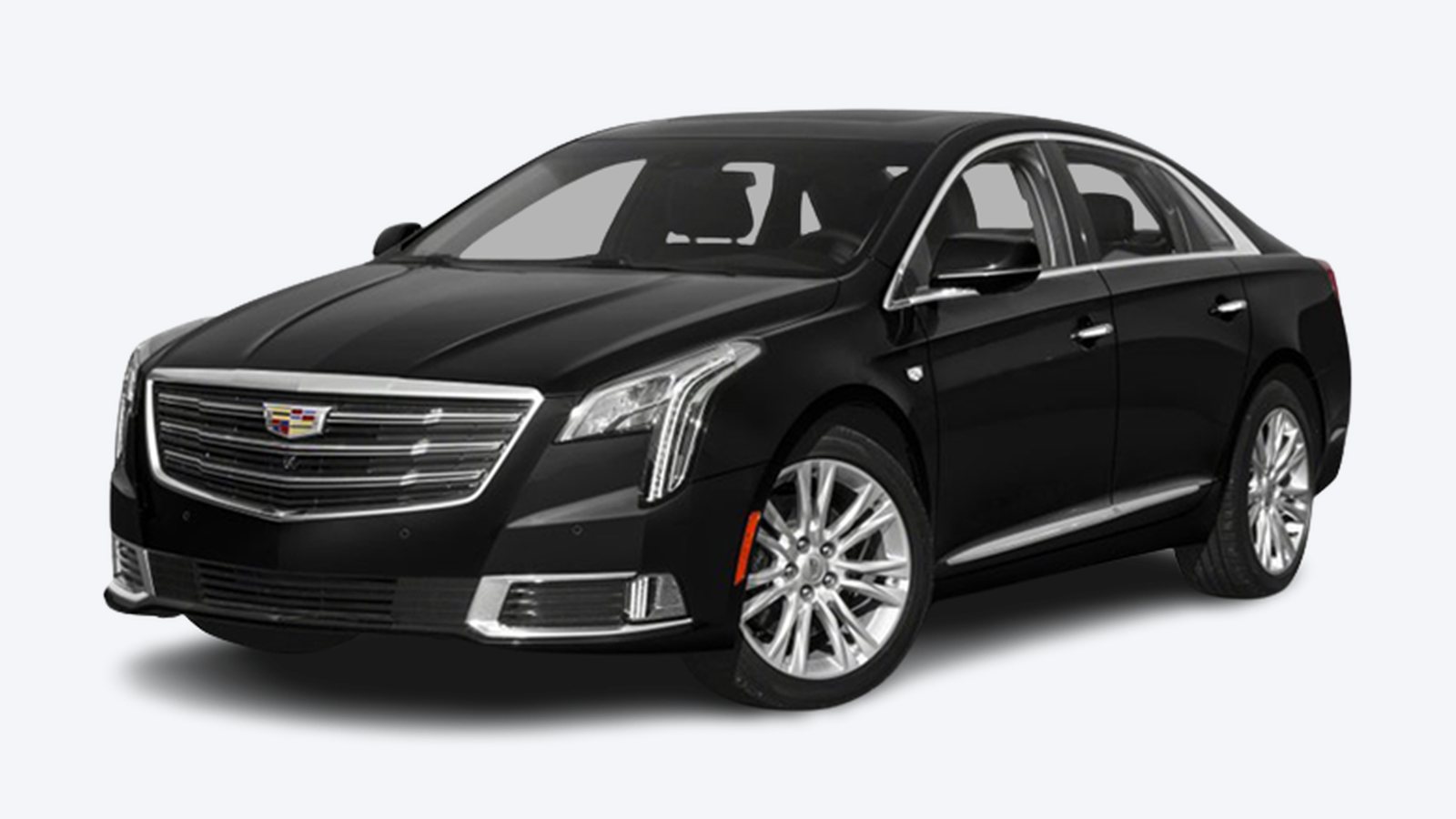
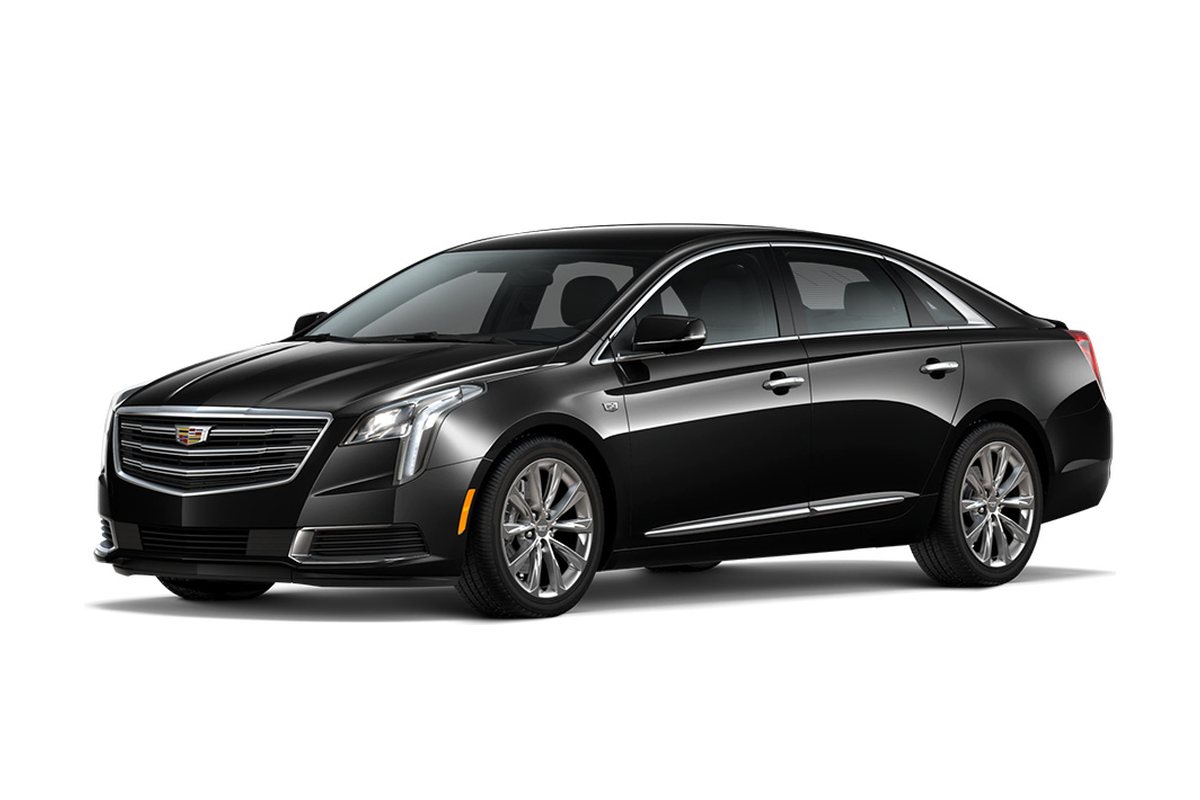
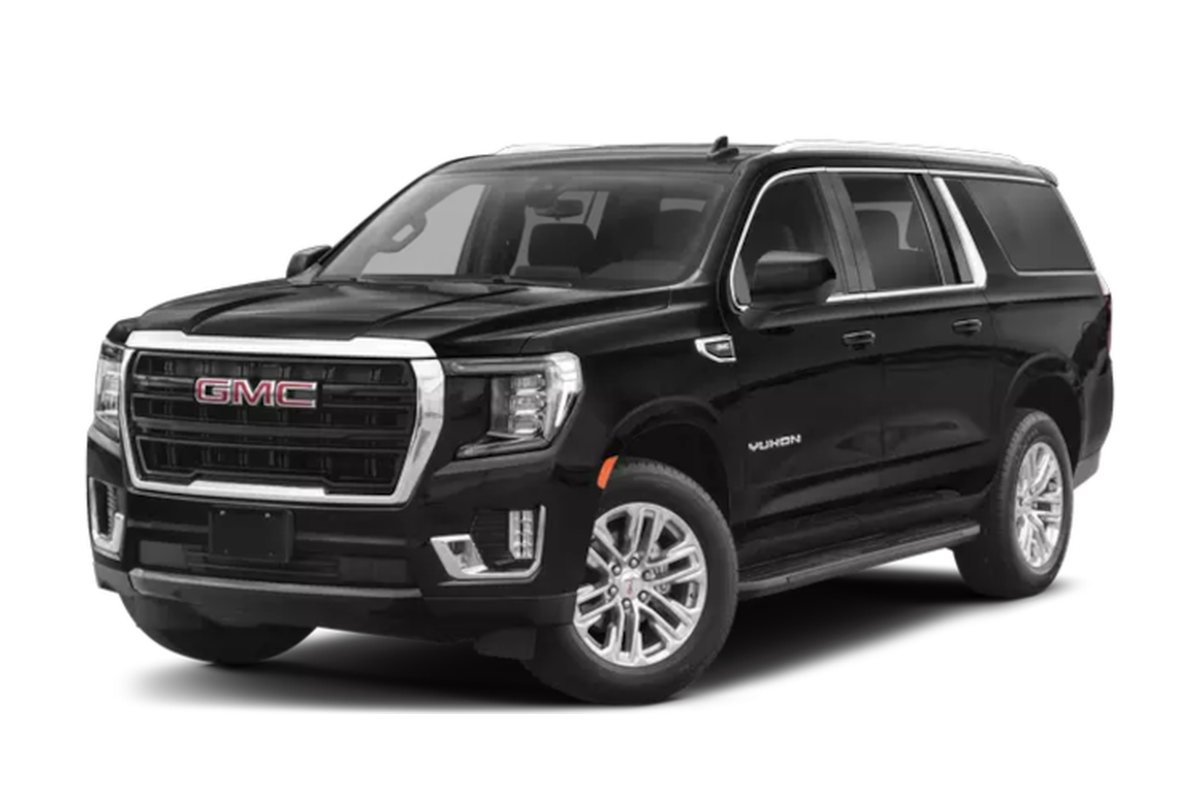
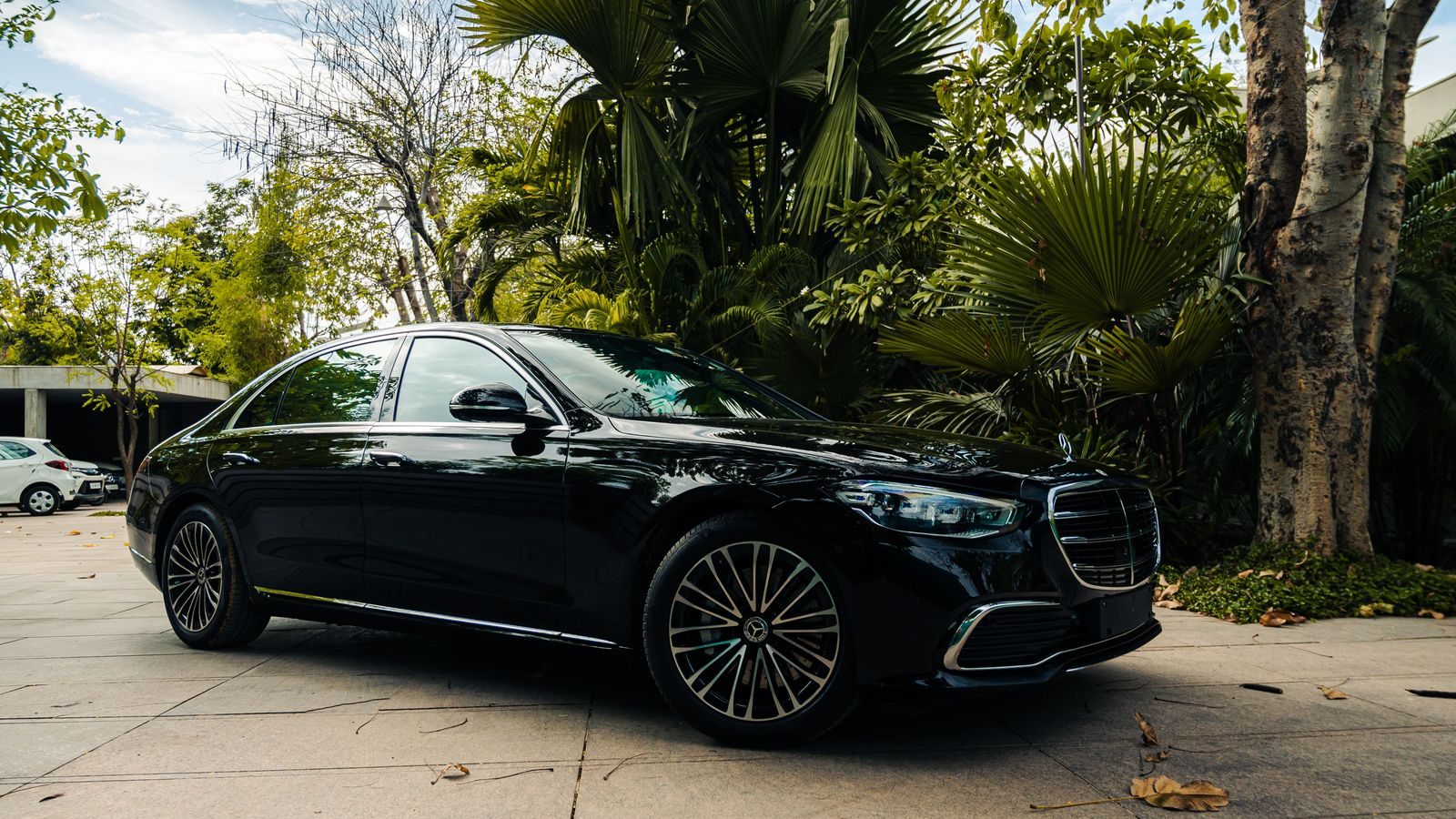
Delegation and consular bookings use the same all-in hourly rates as every chauffeur hire program on this site. A business sedan (Lexus ES, Cadillac CT5 or Cadillac Lyriq) is $155 an hour; a first-class sedan (Mercedes-Benz S-Class, BMW 7 Series or Genesis G90), the usual choice for a head of post, is $285 an hour; an SUV Business is $185 an hour and an SUV First $235 an hour. Every figure is in Canadian dollars with taxes and a 20% gratuity included.
| All-in rate (CAD) | Business sedan | First-class sedan | SUV Business | SUV First | Chauffeur only (your car) |
|---|---|---|---|---|---|
| Within Barrie, per hour | $155 | $285 | $185 | $235 | $95 (4-hour minimum) |
| Out of town, per hour (+50%) | $232.50 | $427.50 | $277.50 | $352.50 | $142.50 |
| A 10-hour day in Barrie | $1,550 | $2,850 | $1,850 | $2,350 | $950 |
| Each km past 150 in one day | $3 | $8 | $4 | $4 | not charged (your car) |
A day includes 150 km of driving; beyond that, extra kilometres are $3 in a business sedan, $4 in an SUV and $8 in a first-class sedan. Tolls on Highway 407 ETR, parking at venues and in-car Wi-Fi are charged at actual cost. A day that runs long is billed at the same hourly rate, with no overtime premium. When the programme takes the car out of town - a full day in Toronto picking up from the consulate district, or two nights at a resort in Muskoka - the hourly rate rises by 50%, and the chauffeur's hotel (for an overnight) plus a flat $100 travel allowance are added. Your coordinator confirms in writing before the visit whether a given programme counts as out of town, so the mission's budget officer is never surprised. The chauffeur cost guide for Barrie shows how each figure is worked out.
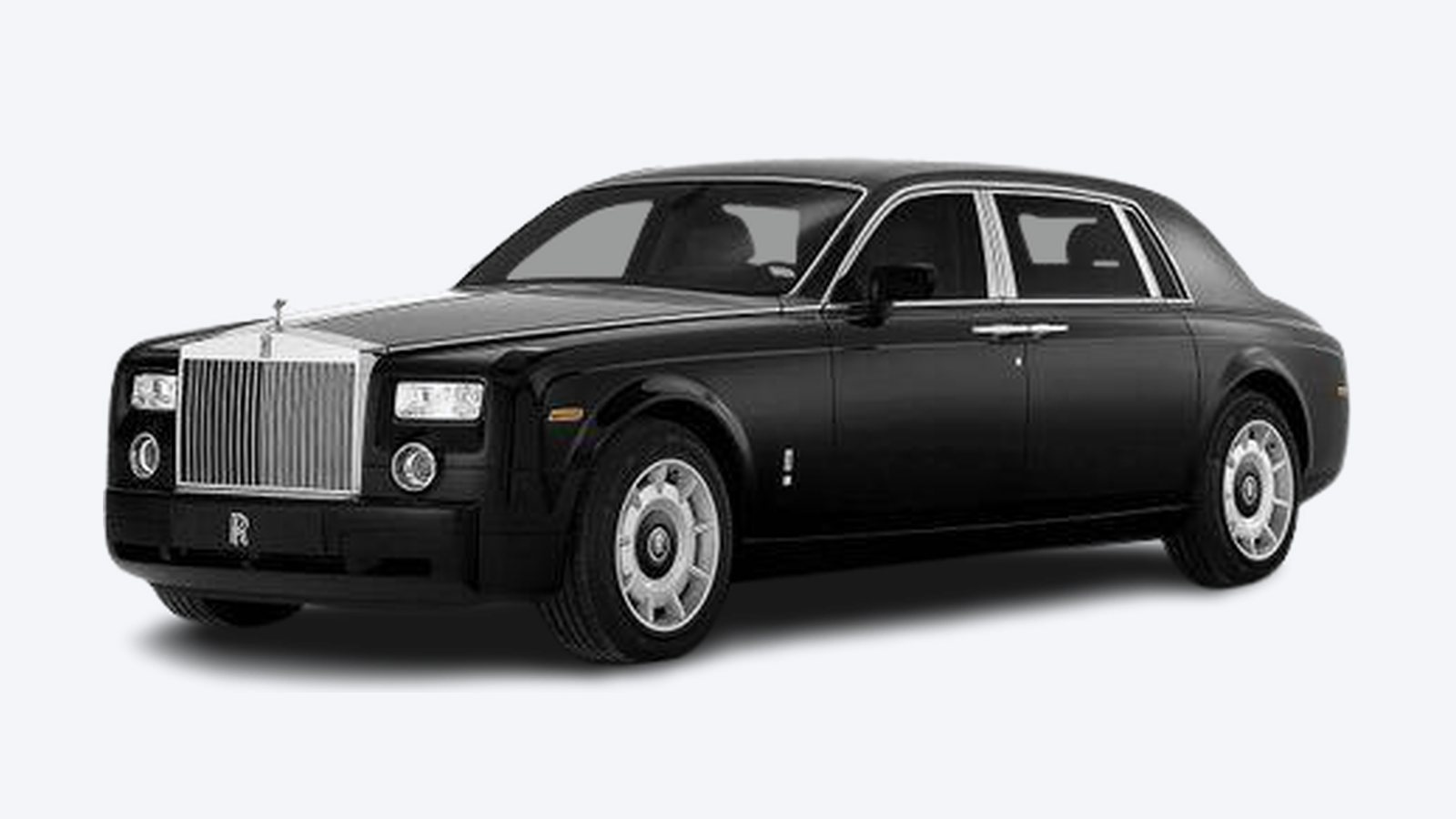
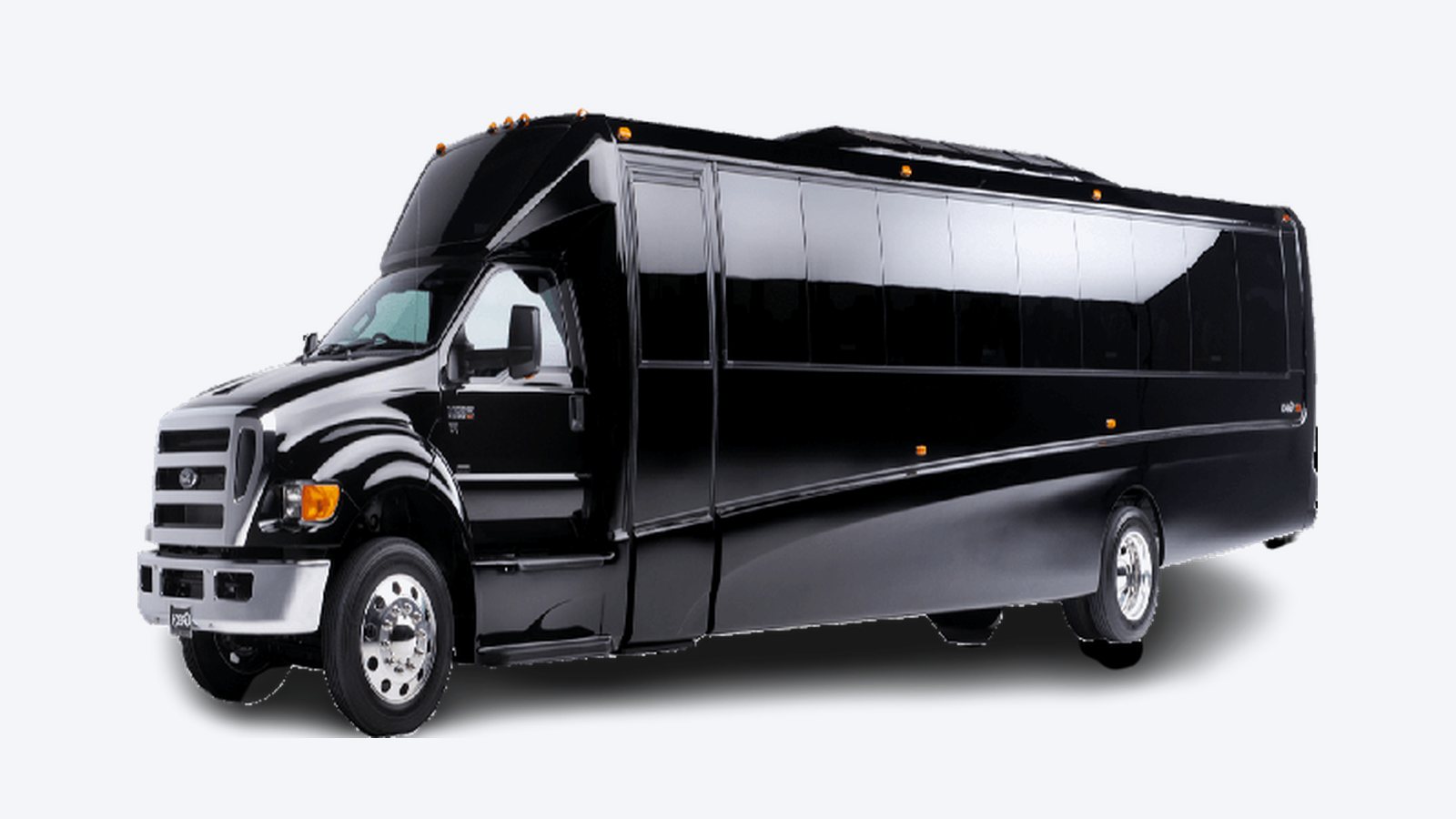
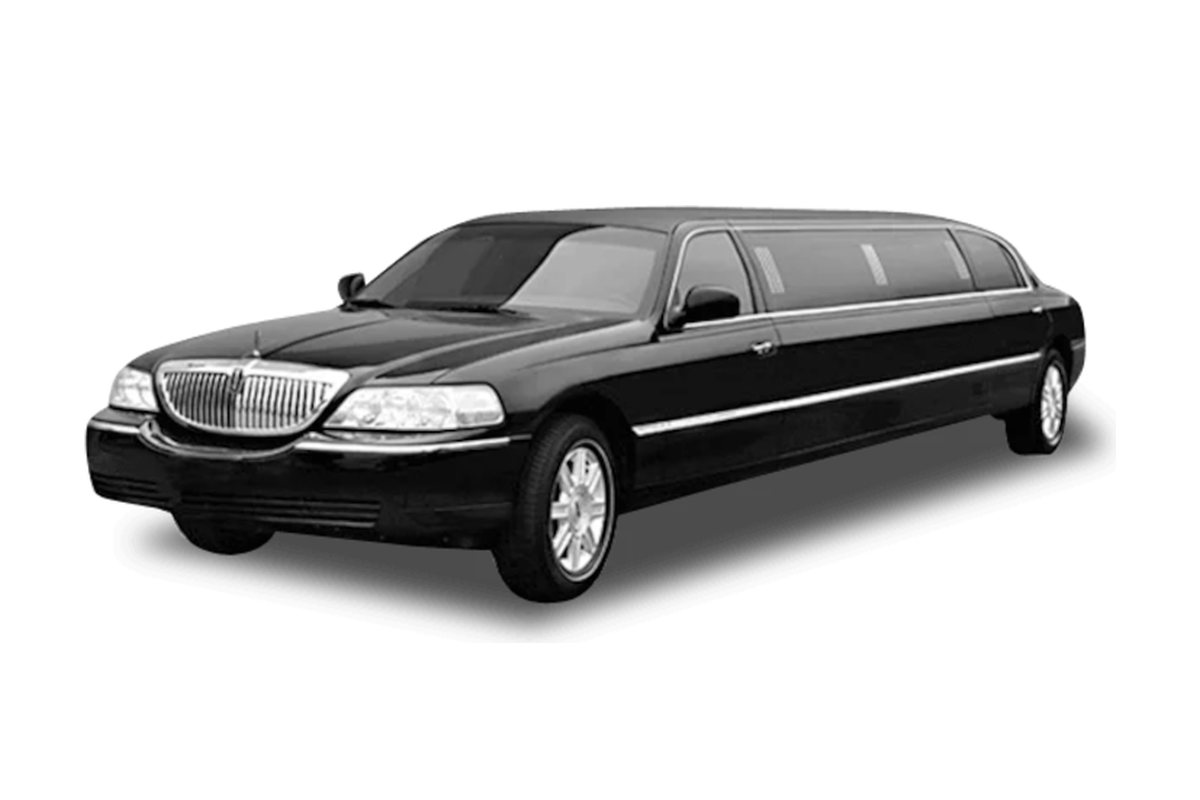
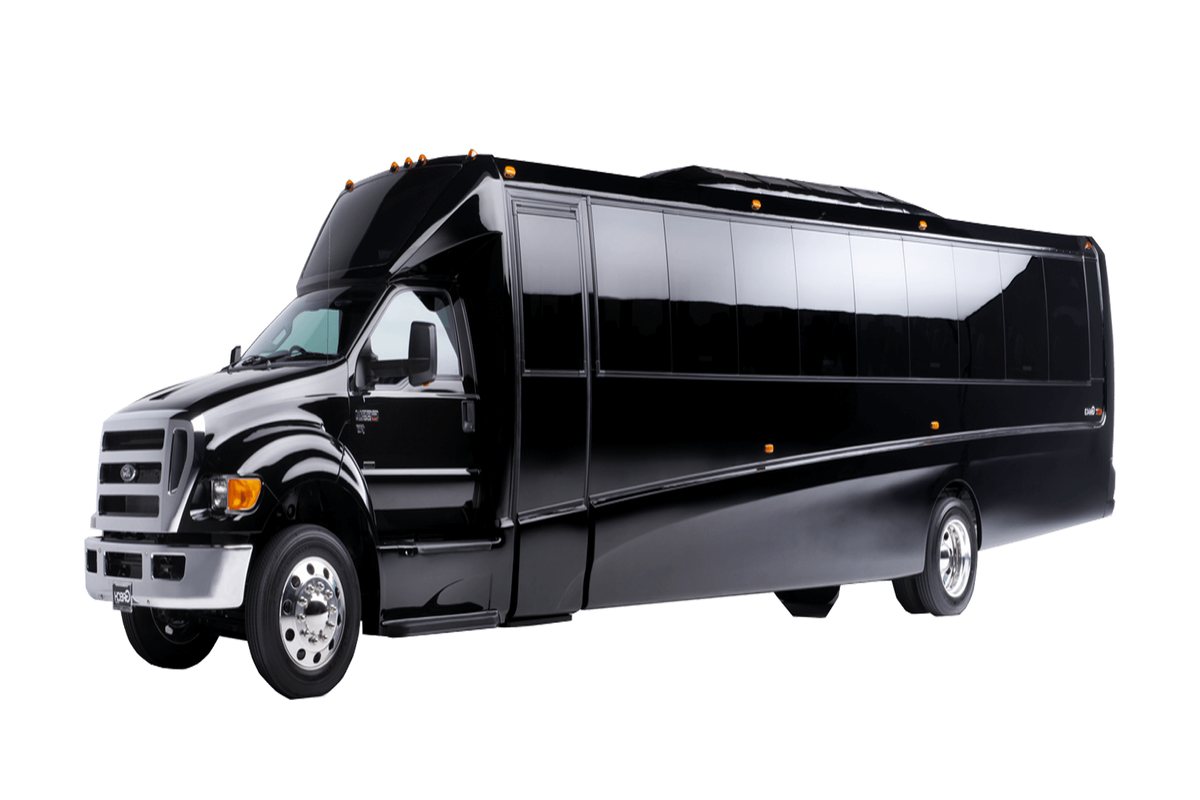
Sprinters for larger delegations, coaches for cultural groups and Rolls-Royce or Maybach cars for a ceremonial arrival are priced by quote for the itinerary.
Can a consulate reserve a chauffeur by the month or the year?
Yes. A post that sends staff to Simcoe County every few weeks, or an honorary consul with regular official engagements, can reserve a block of hours each month instead of booking visit by visit. The monthly chauffeur service holds 40, 80, 120 or 220 hours at the same hourly rates, and the yearly chauffeur contract holds the same blocks with the rate locked for twelve months, which suits a mission's annual budget cycle.
| Hours reserved per month | Business sedan | First-class sedan | SUV Business | SUV First | Chauffeur only (your car) |
|---|---|---|---|---|---|
| 40 hours | $6,200 | $11,400 | $7,400 | $9,400 | $3,800 |
| 80 hours | $12,400 | $22,800 | $14,800 | $18,800 | $7,600 |
| 120 hours | $18,600 | $34,200 | $22,200 | $28,200 | $11,400 |
| 220 hours (about 10 h x 22 days) | $34,100 | $62,700 | $40,700 | $51,700 | $20,900 |
Hours and kilometres in a monthly block do not roll over into the next month. Deposits, notice periods and the other terms of a standing arrangement are set in the written agreement with the mission. For a delegation that is in Barrie for a week or two rather than a whole season, short-term chauffeur hire is the simpler way to book.
How does billing to the mission work?
Every official booking can be invoiced directly to the mission or the sponsoring ministry rather than to the traveller. Tell us at the start which entity pays, the reference or purchase-order number your finance section needs, and whether the invoice should name the passenger or carry a code. The invoice lists each movement with its date, start and end times, vehicle class and any tolls or parking at cost, so it can be reconciled against the programme without a phone call.
Payment terms, the currency of payment and any deposit for a large or long visit are agreed in the written agreement before the first car moves. If the mission uses a travel management company, we can bill through it as well.
Confidentiality, code names and the NDA
Official programmes are often sensitive until the day they happen, and sometimes after. Itineraries are shared with the assigned chauffeurs and the coordinator only, bookings can run under a code name, and the mission's own non-disclosure agreement can be signed before any detail of the visit is sent to us. The discretion section further down this page sets out how that works, and our article on the privacy protocol for VIP transportation goes into the chauffeur's side of it.
Winter visits and route planning north of the city
A delegation that arrives in January meets a different Simcoe County from the one in the brochure. Lake-effect squalls off Georgian Bay can slow the 400 north of Barrie and close side roads to the resorts with little warning, and the drive to Horseshoe Valley, Collingwood or Orillia can take twice as long as the map suggests. Our cars run winter tires from November to April, the coordinator builds weather time into the programme, and the chauffeur checks road reports before each leg. If a leg is unsafe, the mission hears about it with an alternative, not a shrug.
What should the mission send before an official visit?
The quicker the information arrives, the better the plan. Send the coordinator:
- The dates and the programme, even in draft, with venue addresses.
- The number of passengers in the delegation and which of them is the principal.
- Flight or aircraft details for arrivals and departures.
- Any protocol instructions: precedence, forms of address, flag, entrances.
- The billing entity, the reference number and whether an NDA is required.
We reply with the vehicles, the chauffeurs' briefing and an all-in estimate, and confirm in writing whether any part of the programme counts as out of town.