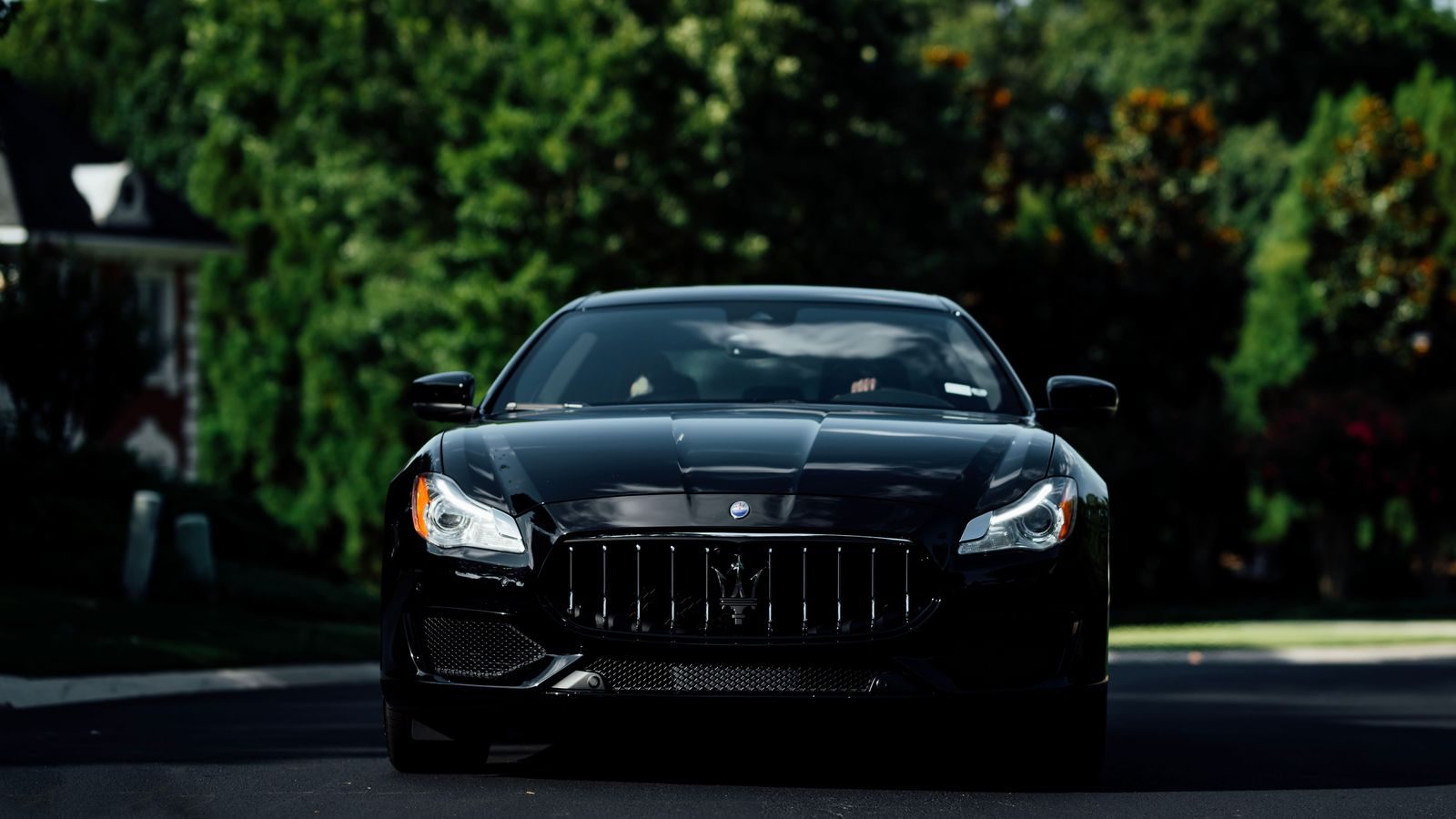

How much is a taxi from Barrie to Pearson airport? It depends on the meter, the traffic and the operator, so ask for a written all-in quote. A booked black car is a fixed planning range of $380–440 in a business sedan, all-in plus HST, for about 97 km and 60–85 minutes. See our Barrie limo rates for every vehicle class.
How much is a taxi from Barrie to Pearson airport?
We will not print a taxi price, because we cannot know it. A taxi fare for a 97 km trip is a product of the operator's tariff, the time spent in traffic, any waiting, tolls and airport charges, and the licence and rules that apply to that vehicle. It moves with the day, and a number quoted in a blog post last year can be wrong today.
What you can do is ask. Phone a Barrie taxi company or open a rideshare app and request a written or on-screen figure for the exact trip, on the exact day and at the exact time. Then compare it with the fixed fare you can see before you book directly on BarrieLimo.net. The rest of this post is about making that comparison fair.
How much is a limo from Barrie to Pearson airport?
One way between downtown Barrie and Toronto Pearson is about 97 km and 60–85 minutes. These are planning ranges, all-in plus HST, and the lower end is what our reservation engine quoted on 2 October 2026. The engine confirms the exact figure for your address, date and vehicle before you pay.
| Vehicle | Seats and bags | One way, Barrie to Pearson |
|---|---|---|
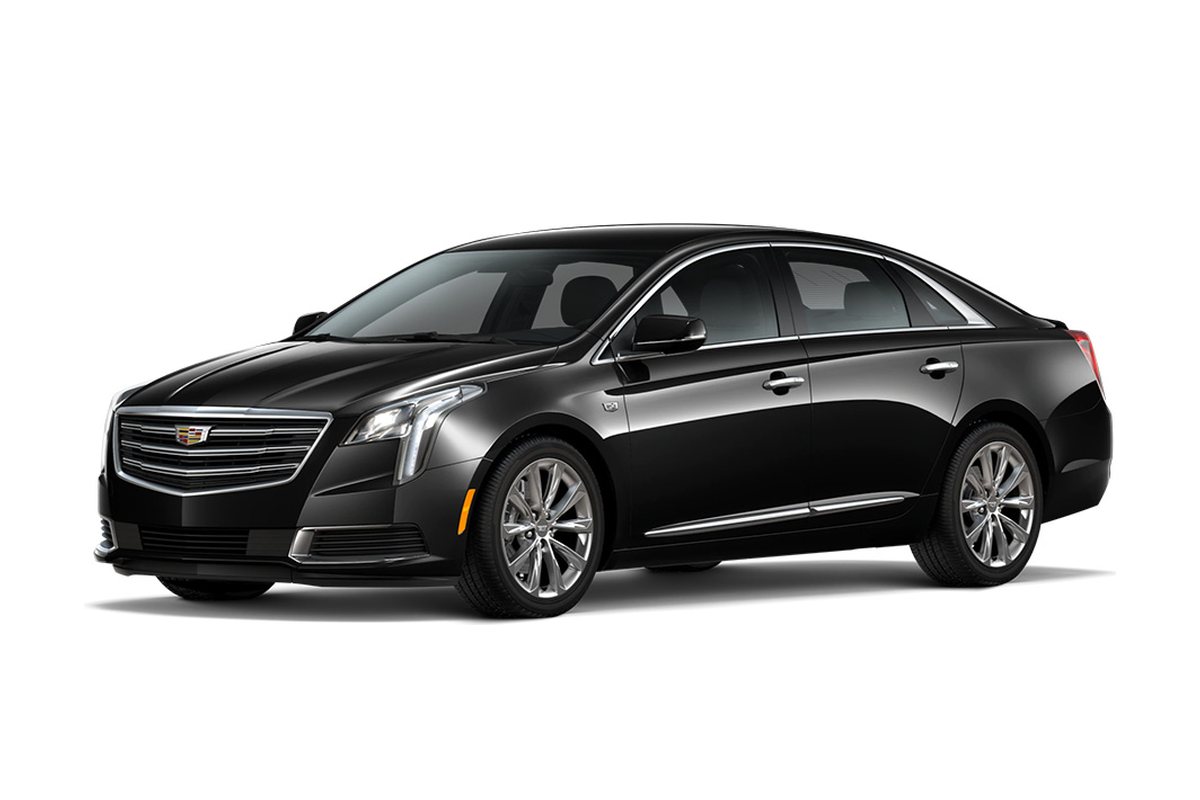
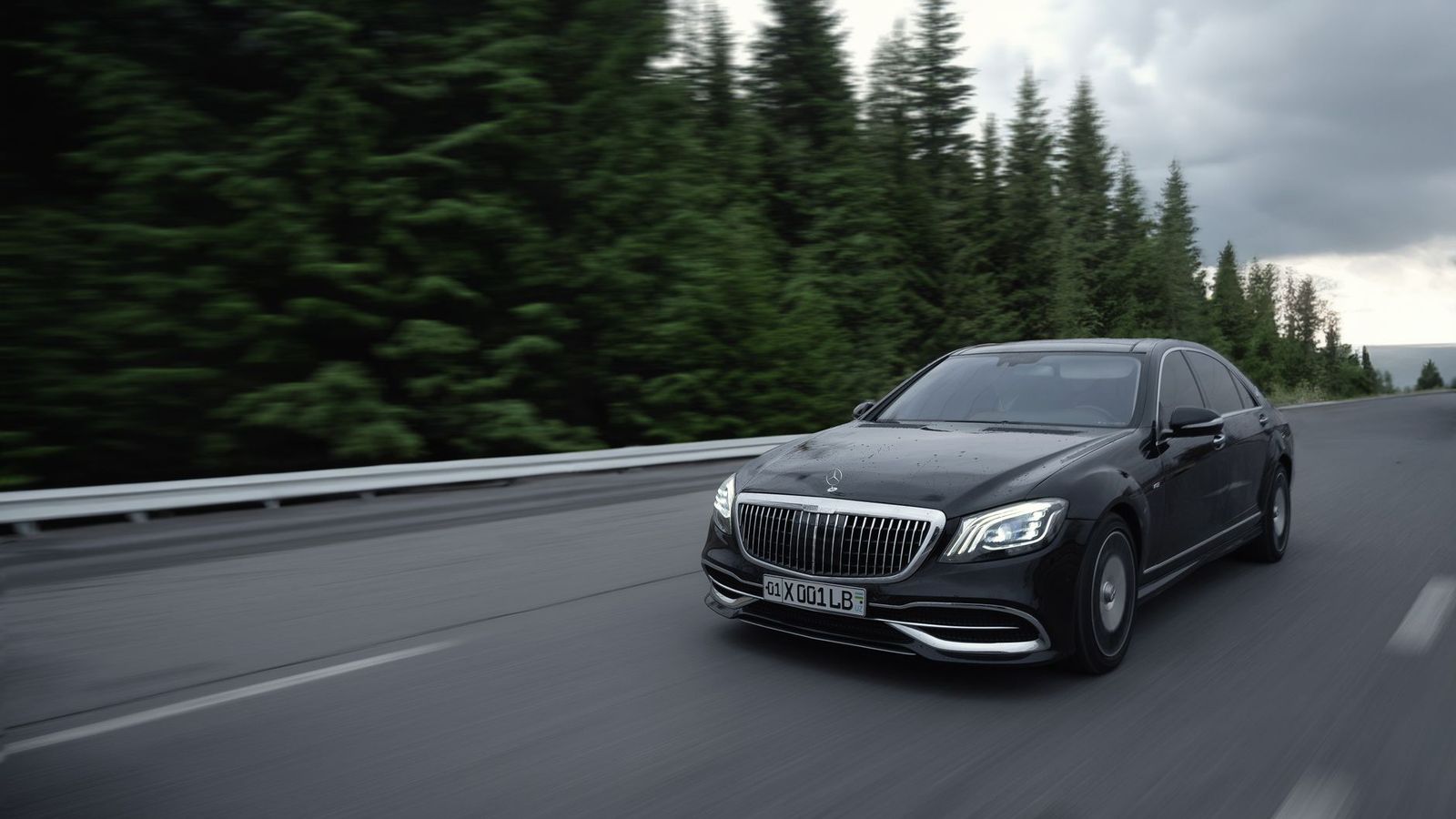
| Business sedan | 3 passengers, 3 bags | $380–440 |
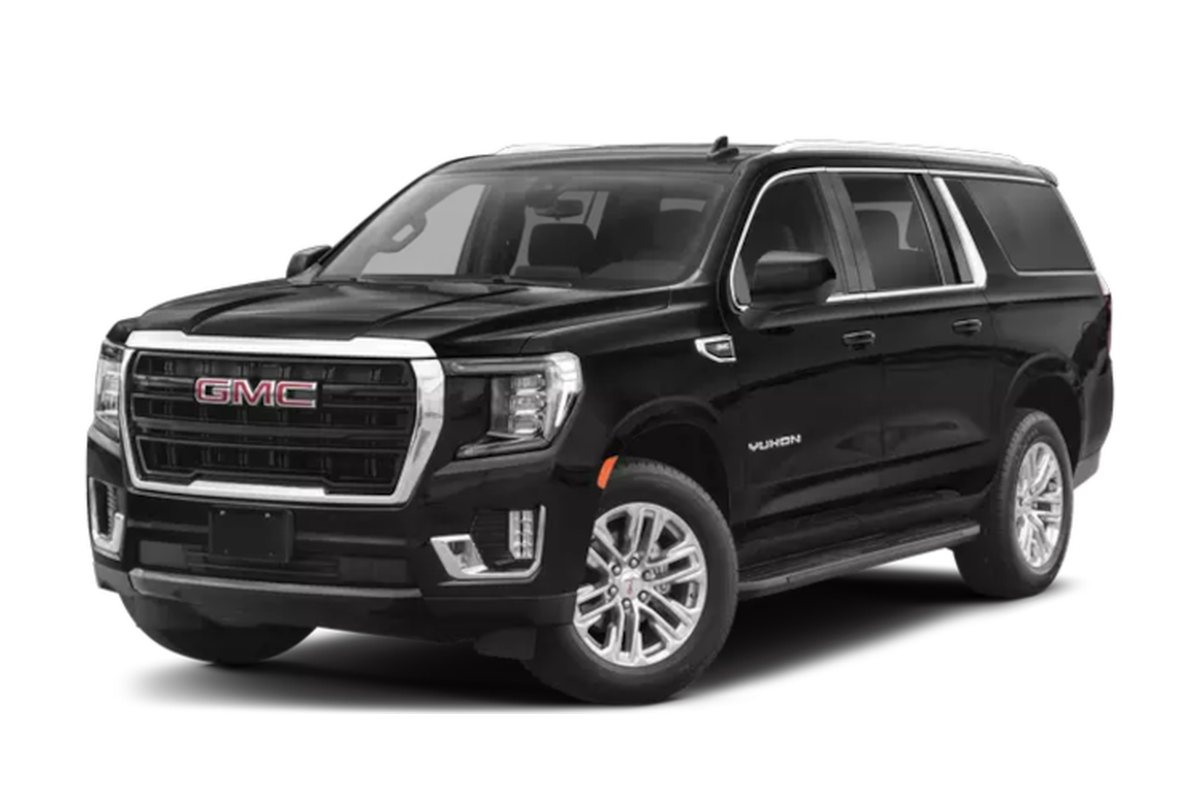
| Business SUV | 5 passengers, 5 bags | $490–565 |
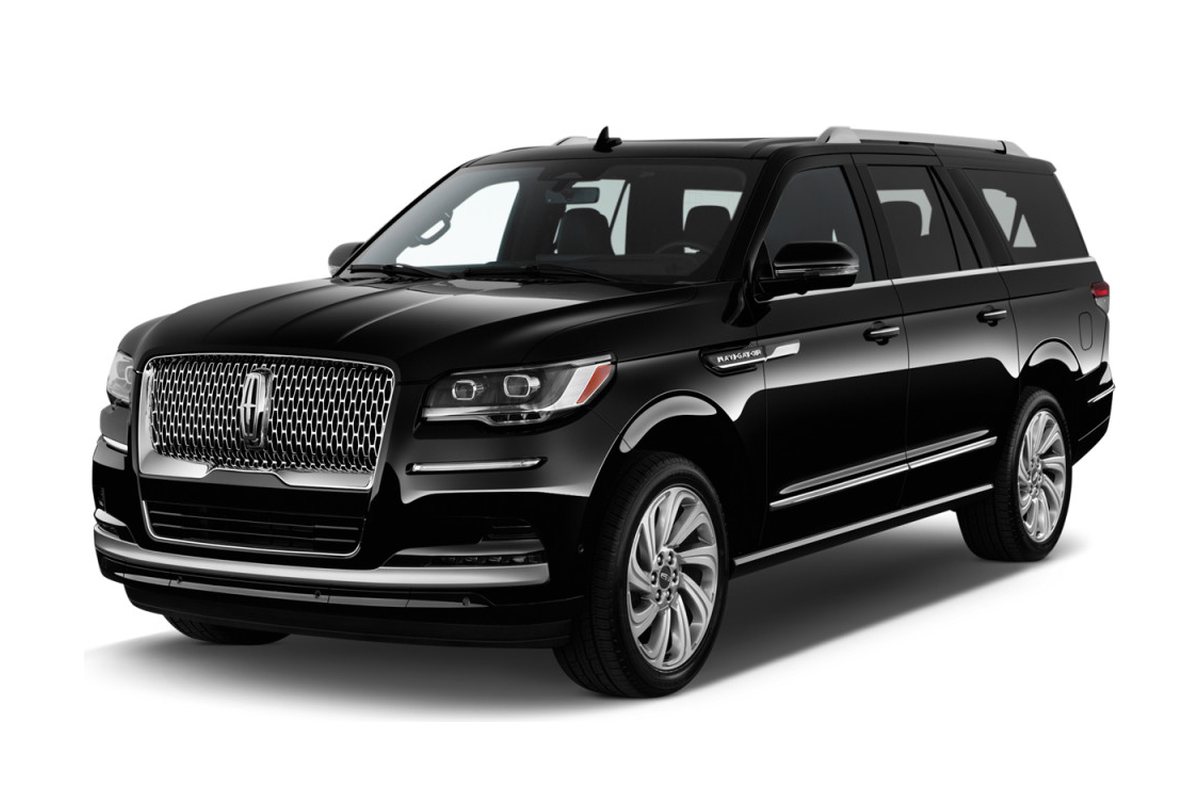
| Executive SUV | 6 passengers, 6 bags | $580–665 |
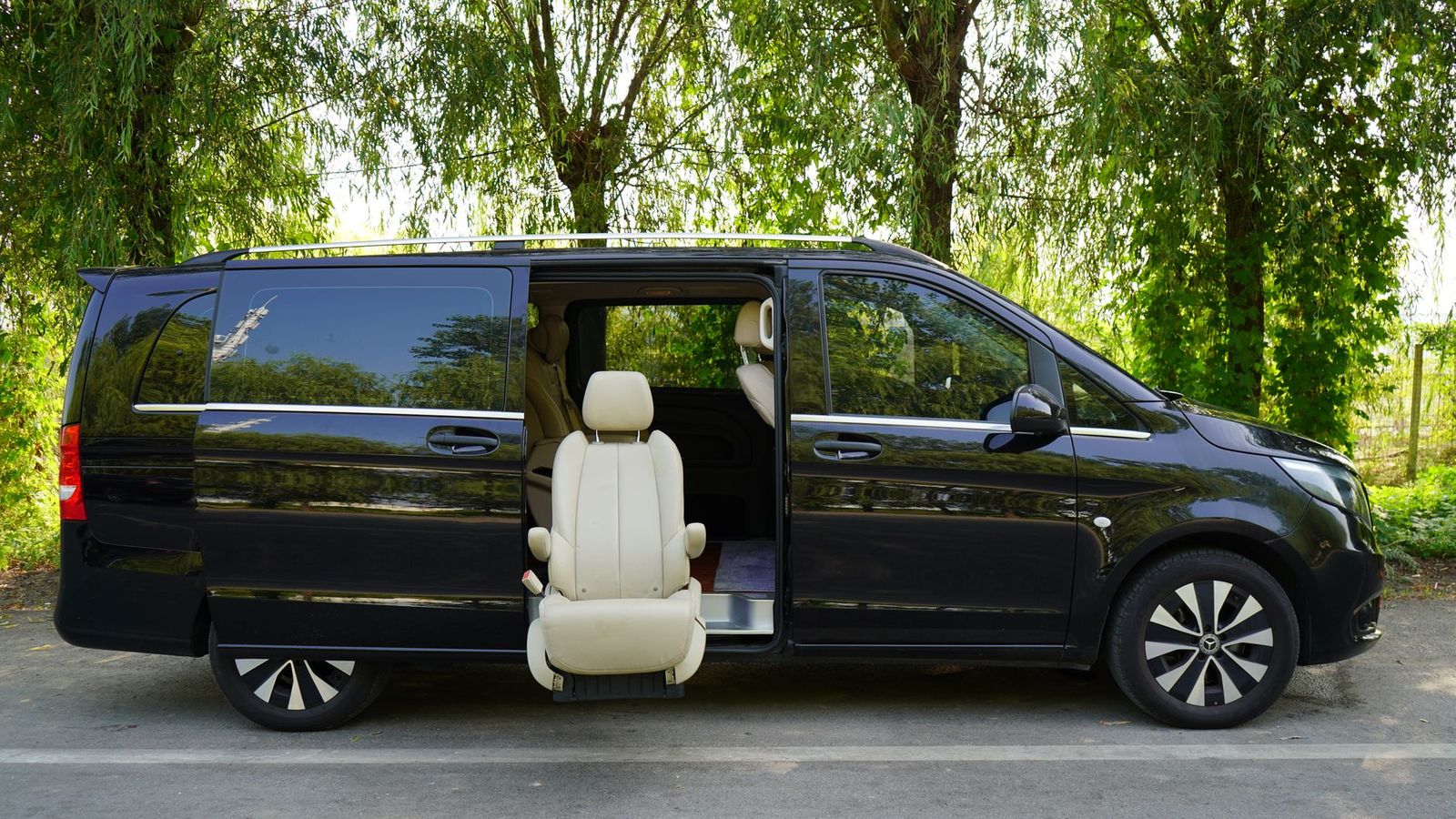
| Luxury minivan | 6 passengers, 6 bags | Quoted by the engine |
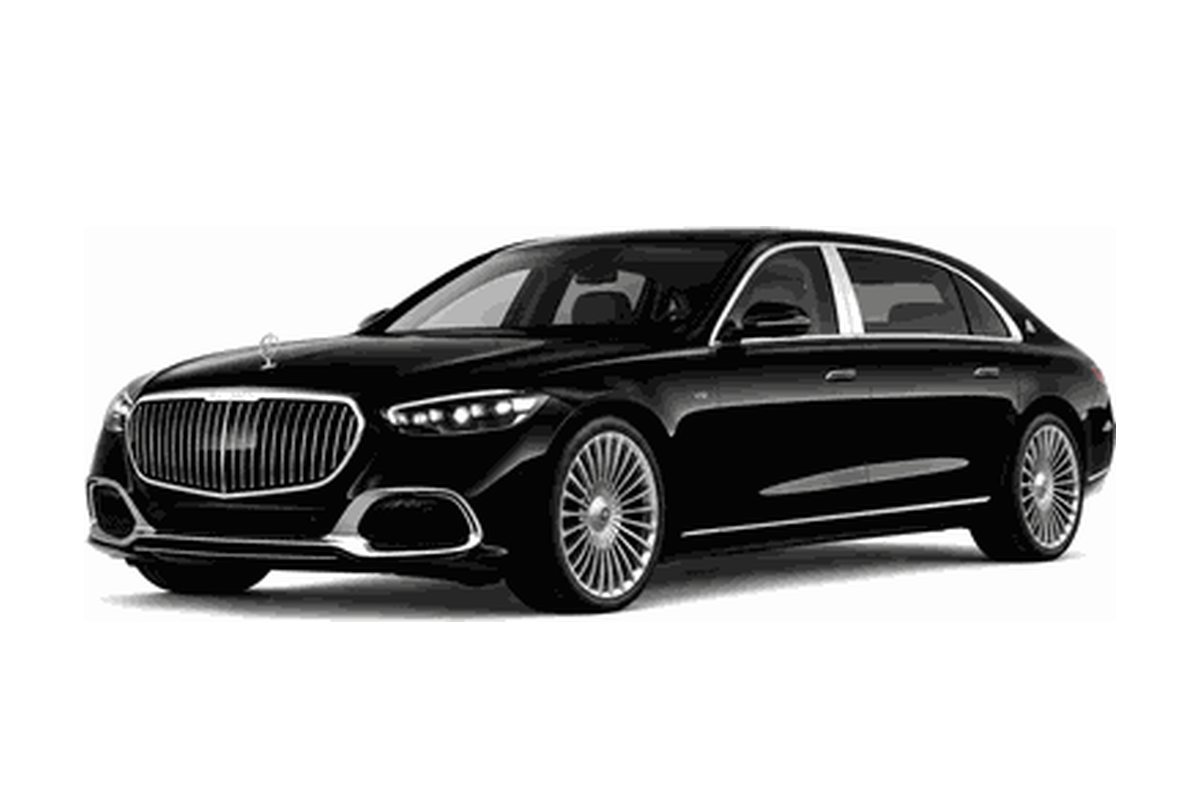
| First-class sedan | 3 passengers, 3 bags | $910–1,045 |
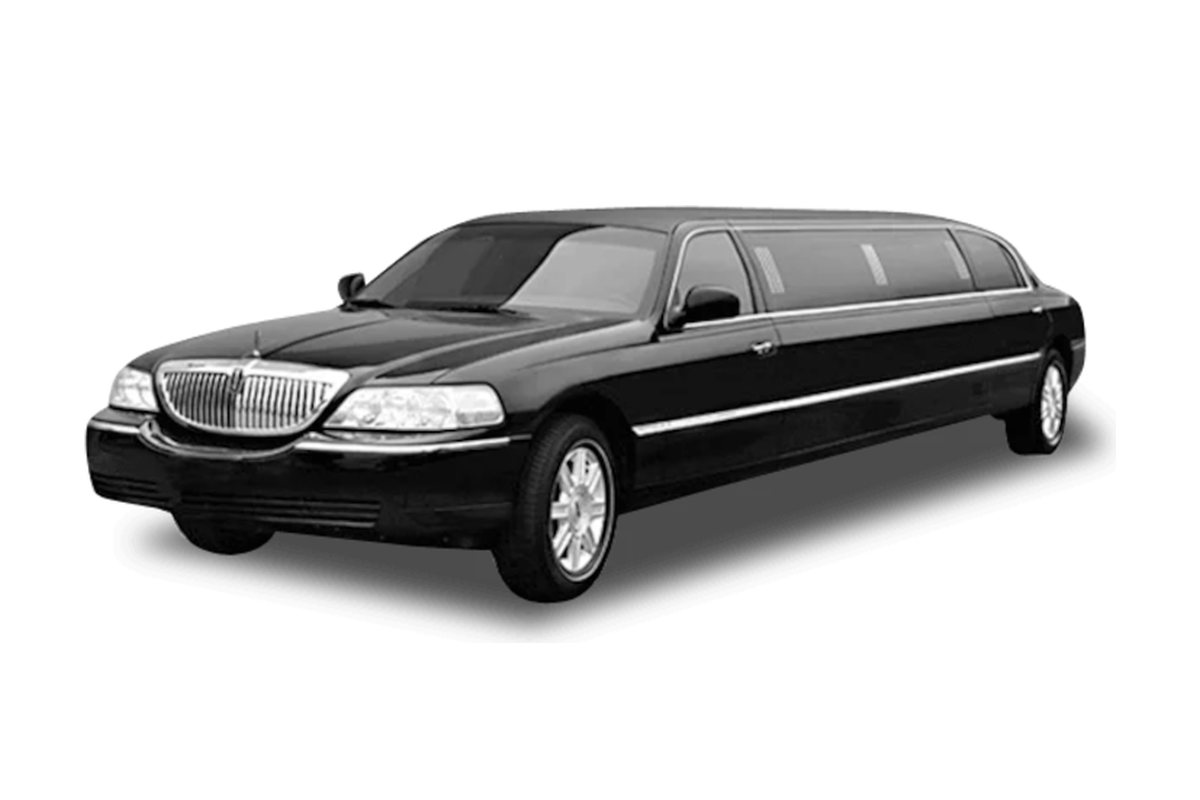
| Stretch sedan (partner) | up to 8 passengers | $1,050–1,210 |
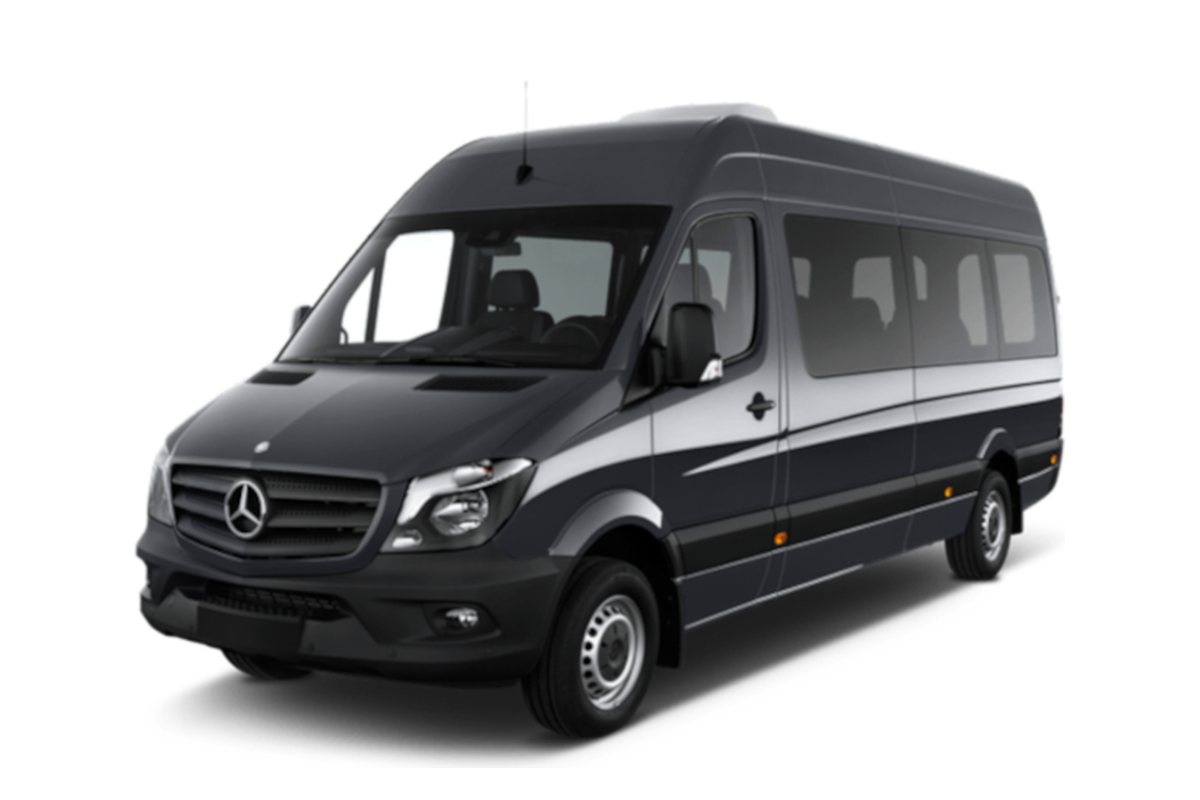
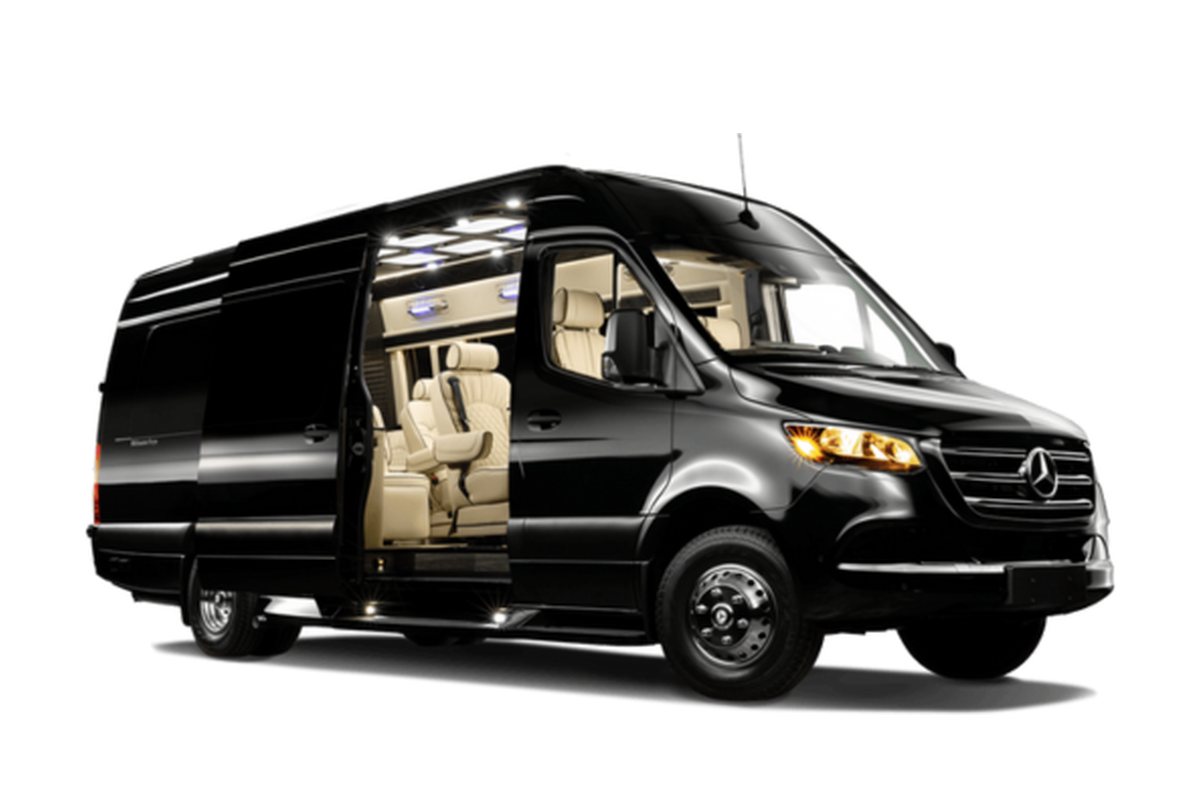
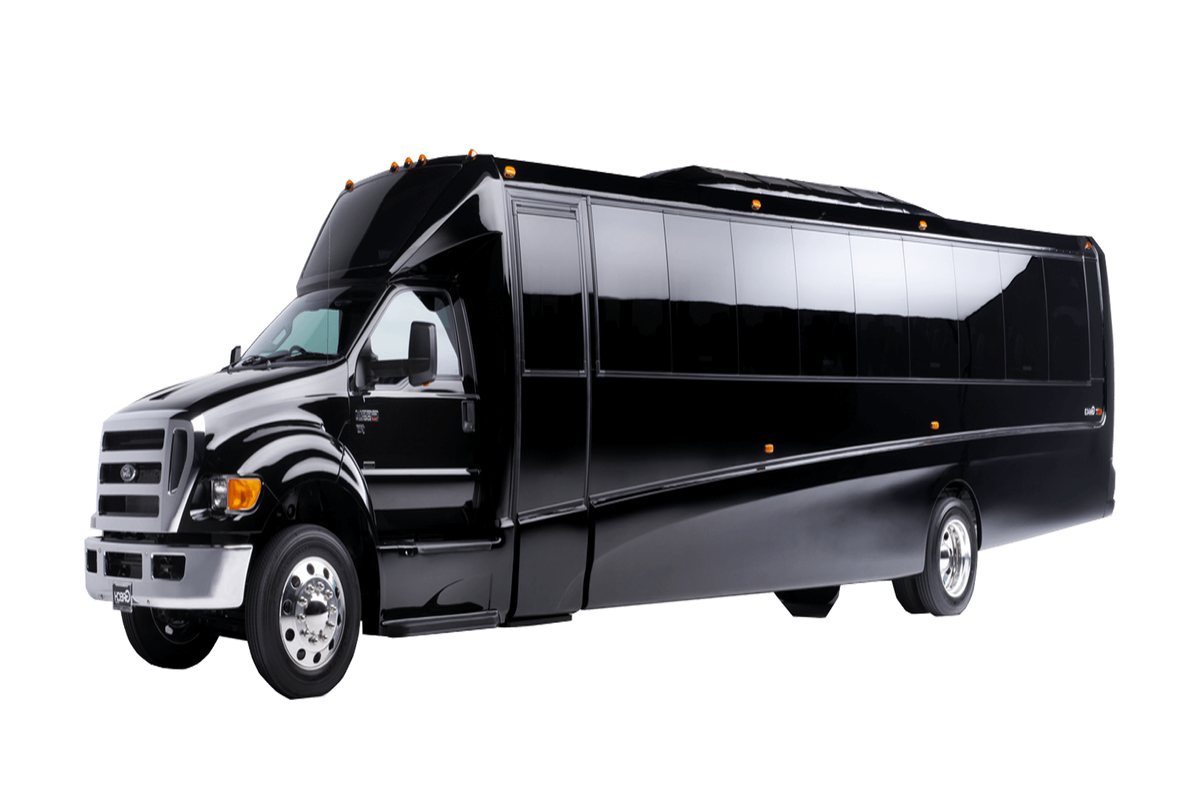
| Executive Sprinter | up to 14 passengers | $1,390–1,600 |
| Jet Sprinter (VIP) | 7 seats, 5 bags | $1,920–2,210 |
Stretch SUVs, party buses and Rolls-Royce or Maybach cars are partner vehicles and are quoted by the engine on request.
What is inside the limo fare?
The chauffeur, the vehicle, fuel, 407 ETR and bridge tolls on the planned route, airport fees charged to commercial vehicles and gratuity are all inside the fixed fare. HST appears as its own line. The airport pickup includes flight tracking and 30 minutes of waiting on Canadian domestic and US flights, or 60 minutes on all other international arrivals, counted from actual landing.
That list is longer than it looks, and it is where most surprises hide in other quotes. Fuel and tolls are the two items that vary most on a long run, and the airport fee is easy to forget until it appears on a receipt. Everything on the list is paid before you leave home.
What should an apples-to-apples quote include?
Before you compare a taxi, a rideshare estimate and a black car, make sure each one answers the same eight questions:
- Is the price a fixed total or an estimate that can rise?
- Are the 407 ETR and bridge tolls included?
- Is the airport fee included?
- Is gratuity included, or will a percentage be added after?
- How much waiting is included at the airport, and what is charged after?
- Is HST shown, and is it already in the figure?
- Is the car tracked to your flight, so a delay does not cost you?
- What is the cancellation rule, and when does it start?
A quote that cannot answer all eight is an estimate. Ours answers each one in advance, which is why we describe the fare as fixed and show it before you confirm.

Why does this page show ranges, not one price?
Because the exact figure depends on where in Barrie you start. A pickup in the downtown core, one in Innisfil and one in Midhurst are different distances from Highway 400 and different fares. The lower end of each range is the figure the engine quoted from downtown Barrie; the upper end allows for a pickup a little further out, a busier date or a longer routing.
Showing a range with the kilometres and the minutes also protects you. A single number with no distance behind it tells you nothing, and a single number that is too low is how people end up disappointed at checkout. If you want to check your own address quickly, the fare calculator gives an estimate by destination and class.
Does the 407 ETR change the price?
Not for you. On a bad afternoon the 401 across the top of Toronto can add half an hour between Highway 400 and the airport, and the tolled 407 ETR usually moves. Because tolls on the planned route are inside the fare, the chauffeur chooses the faster road on traffic alone, and nobody asks in the car whether you would like to pay for it.
For a driver paying their own way, the toll is a real decision, and our post on whether the 407 ETR is worth it between Barrie and Pearson goes through the trade-off. The point for this comparison is that a taxi or a rideshare fare may or may not include it, and you should ask.
How do metered and app fares behave on a 97 km trip?
A meter runs on distance and time. On a long trip the distance charge dominates, but the time spent crawling on a winter evening or a Friday in July keeps the meter running too. An app estimate may be a fixed figure at the moment you accept, or it may move with demand, and either can change if the route does.
None of this is a criticism. Taxis and rideshare are legitimate options and the right tool for many trips. The point is that a meter and a demand-priced app are built to follow conditions, while a fixed fare is built to ignore them. If predictability matters to you, that is the difference you are paying for.
What does the GO train and UP Express cost, and who is it for?
There is no direct train or GO bus from Barrie to Pearson. The public-transit route is a GO Transit train from Barrie to Union Station, then the UP Express to Pearson. Fares and timetables are published on those sites, and they change, so check them for your travel day.
For one traveller with one bag and a flight that fits the timetable, the train is usually the cheapest way to Pearson, and we say so without hesitation. It works less well for a family with a stroller, an early-morning flight or a late arrival. Our comparison of Uber, the GO train and a limo walks through the cases in more detail.
What does it cost to drive yourself?
Driving yourself means fuel for about 97 km each way, the 407 if you use it, and airport parking for the length of your trip, which the airport's website prices by length of stay. For a short trip it is a fair choice. For a week or two away, parking can approach the price of a return transfer, particularly when two people travel.
It also means owning the winter drive on Highway 400 and the dark drive home after a late flight. If you are tired, the weather is poor or the trip is for work, the saving can be the first thing you regret. A chauffeur lets you answer email on the way and leave the car in the driveway.
Which option suits which traveller?
| Traveller | Likely best fit | Why |
|---|---|---|
| One person, one bag, flexible timing | GO train and UP Express | Lowest cost if the timetable fits |
| Couple with two cases, early flight | Business sedan | No timetable dependency, fixed fare |
| Family of five with a stroller | Business SUV or executive SUV | Luggage room, door-to-door |
| Group of eight to fourteen | Executive Sprinter | One vehicle, one fare |
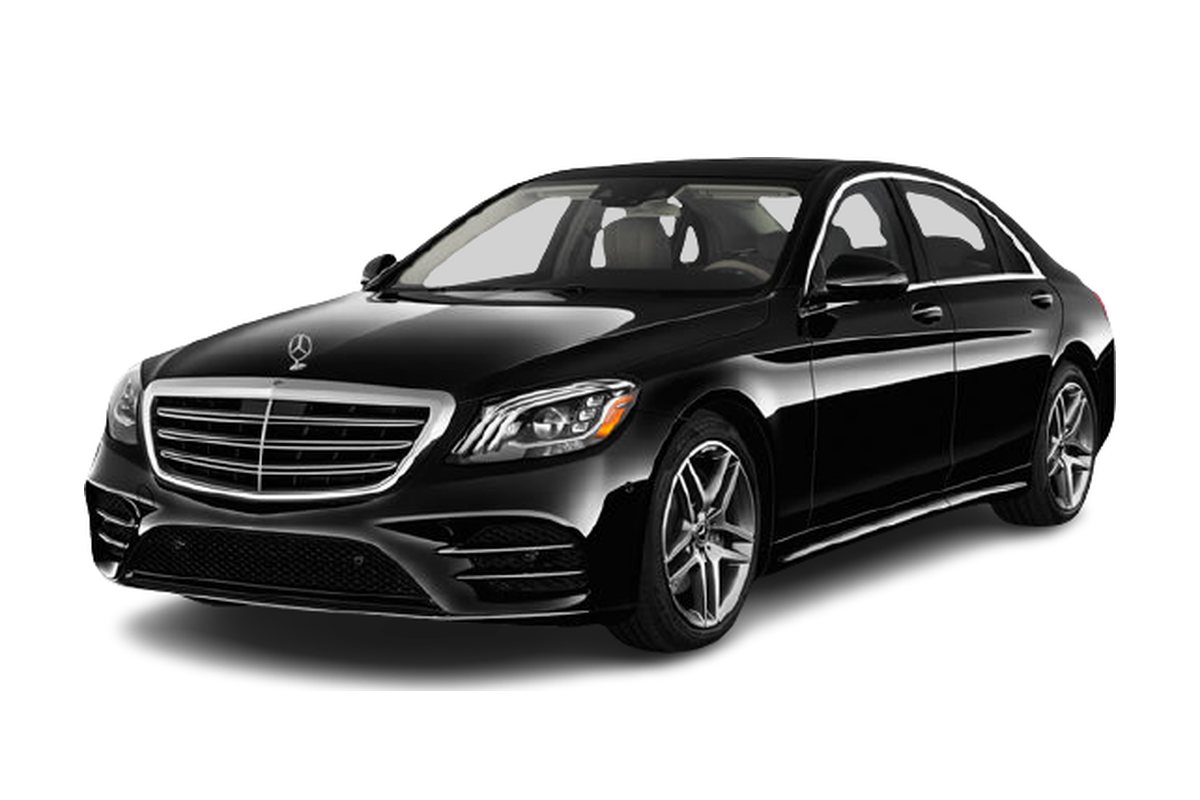
| Executive with calls to make | Business or first-class sedan | Quiet cabin, working time |
The right answer depends on what you are protecting: money, time or certainty. We do not claim a chauffeured car is the cheapest way to Pearson, because it is not. It is the most predictable.
How does group size change the cost per person?
A private car is priced by vehicle, not by seat. One traveller in a business sedan carries the full fare. Two, three or four share it, and the gap between a private car and a seat on a shared run narrows quickly. Divide the fare by the number of passengers and compare it with the per-seat price of the alternative.
For a group of five or six, an executive SUV spreads a $580–665 fare across the party. For a larger group, a Sprinter does the same job. Our group airport transfers post explains when the larger vehicle earns its place.
Is a return trip double?
A return is priced as two one-way legs, each with its own fixed fare and each tracked separately. Booking both directions at once means the homeward car is already assigned when you land, which matters at 1 a.m. in January. If the gap between the legs is only a few hours, as with a day in Mississauga, compare the total with an hourly booking.
An hourly chauffeur is $135–160 an hour for a business sedan, with a 3-hour minimum, and a 4-hour sedan booking is $540–640 all-in plus HST. When the plan has several stops or waiting, the hourly option is often the better value.
What do add-ons cost, and what is never added?
Child seats, whether infant, toddler or booster, are from $25 each, added at booking. Meet and greet inside arrivals is optional, and the engine shows its price before you confirm. An extra stop on the way is entered on the form and priced into the fixed fare. Nothing else is added afterwards unless you change the trip: extra waiting beyond the included time, a different vehicle or a new route.
What is never added is a surge multiplier. The fare does not rise because a squall has slowed the 400 or because it is the Friday of a long weekend. What changes on those days is availability, so reserve earlier.
How about Billy Bishop and Union Station?
The same logic applies to the other two Toronto destinations Barrie travellers use. Barrie to Billy Bishop is about 115 km and 80–110 minutes, with a business sedan planning range of $445–510. Barrie to Union Station is about 114 km and 75–105 minutes, at $420–485. Both are one way, all-in plus HST.
For details on each, see the Barrie to Billy Bishop and Barrie to Union Station pages. If a flight or a hotel is part of the trip, the travel desk arranges both.
How do I get my exact number?
Open the reservation engine, enter the pickup address, Pearson as the destination and your flight, choose the vehicle and read the fixed total. It takes less time than waiting on hold with a taxi dispatcher, and the figure you see is the figure you pay.
Cancellation is measured from the scheduled pickup: more than 72 hours before, no charge; 72 hours or less, 10 %; 48 hours or less, 50 %; 24 hours or less or a no-show, 100 %. A delayed flight is not a cancellation. When you are ready, book your Pearson airport car.