

Corporate transportation services in Barrie work best as an account: named bookers, traveller preferences on file, a cost centre or project code on every confirmation and one dispatch desk at all hours. Fares are fixed and all-in, hourly from $135–160 for a business sedan. If you travel only occasionally, book direct each time instead. Details are on our corporate page.
How does a corporate transportation services account work in Barrie?
An account is an agreement about habits, not a separate price list. Your company names the people who may book and the people who travel, decides what is written on every confirmation and agrees how invoices are handled. We keep the traveller preferences on file and have the same dispatch desk answer every call. Each booking is still made on the same reservation engine as anyone else's, with a fixed all-in fare shown before it is confirmed.
Our corporate page lists what an account provides. This post is the practical companion: what to decide before the first trip, and how to run the account afterwards.
Who needs an account, and who does not?
You probably need one if several people book on the company's behalf, if travellers have standing preferences, if finance needs a reference on every trip or if a visitor programme runs through the year. A manufacturing plant with weekly visitors, a hospital such as Royal Victoria Regional Health Centre that hosts locums, a college such as Georgian College with guest lecturers and a firm with a regular Toronto client all fit.
You probably do not need one if two or three people travel a few times a year. In that case, book direct on the engine each time and keep the confirmations. An account adds no discount we can promise in a blog post; its value is order and speed, not price.
What do you set up before the first booking?
Six decisions cover most of it:
- Who books. One or two named people, usually assistants or a travel coordinator.
- Who travels. A list of names, mobile numbers and any standing needs.
- What the reference looks like. A cost centre, a project code or both.
- What the policy says. Vehicle classes by role, hourly versus one-way and approvals.
- Who is called in an emergency. A name and a number outside office hours.
- How invoices are handled. Agreed with a coordinator in writing, not assumed.
To start, send the company details through the contact page and dispatch replies with the next steps. We do not publish payment terms here, and we will not guess them.
Who can book, and how does an assistant's booking work?
An assistant can reserve on behalf of any passenger. On the booking page the assistant enters the passenger's pickup address and the destination, then the passenger's mobile number for the chauffeur, and the engine shows the fixed fare. For airport arrivals add the flight number so the flight is tracked.
Keep the number of bookers small. When ten people can book, the references drift, vehicle choices vary and nobody owns the rules. Two named bookers and a backup is a good pattern. The traveller does not need to log in anywhere; the confirmation goes to the booker, and the chauffeur's name and number go to the traveller.

What goes on a traveller profile?
The profile is what turns a stranger's trip into a familiar one. Useful entries: the traveller's usual vehicle class, the pickup door at the office or home, the mobile number, a note on whether the person prefers a quiet car or conversation, and any needs such as a child seat, a wheelchair-accessible vehicle (booked in advance) or a pet, which needs prior approval in writing.
Keep it factual and brief. Do not record anything you would be uncomfortable seeing in a forwarded email; our post on VIP transportation privacy explains how to keep sensitive information off a booking. Preferences are kept on file, and the traveller can change them by phoning dispatch.
How do references, cost centres and project codes work?
A booking reference of your choosing, such as a cost centre or a project code, is carried on each confirmation. Choose a format and hold to it: for example a four-digit cost centre followed by a project code. Inconsistent references are the single largest cause of reconciliation work at month end.
Give the booker a short guide: where the reference goes on the booking, what to do when a trip is split across two projects and who to ask when a code is not known. The reference is yours; we carry it, and we do not interpret it. HST is shown as a separate line on the fare, so your finance team can see it.
What do typical corporate trips cost?
Planning figures, one way from downtown Barrie, business sedan, all-in plus HST with tolls, fuel and gratuity inside. The engine prices the exact pickup address and date.
| Trip from downtown Barrie | Distance and time | Business sedan |
|---|---|---|
| Within Barrie | up to 10 km, 5–20 min | $110–125 |
| Lake Simcoe Regional Airport | 18 km, 20–25 min | $160–185 |
| Angus and CFB Borden | 20 km, 20–30 min | $165–190 |
| Bradford | 40 km, 30–40 min | $225–260 |
| Alliston | 45 km, 40–50 min | $240–275 |
| Newmarket and Aurora | 60 km, 40–55 min | $280–320 |
| Toronto Pearson (YYZ) | about 97 km, 60–85 min | $380–440 |
| Union Station / downtown Toronto | 114 km, 75–105 min | $420–485 |
| Billy Bishop (YTZ) | 115 km, 80–110 min | $445–510 |
Print this table in your policy as a planning guide, not a promise. For the full card see our rates page.
When should the policy say hourly instead of one-way?
Write a plain rule: if the car would wait, or there are three or more stops, book hourly. An hourly chauffeur has a three-hour minimum, with extra time in 30-minute blocks, and the same car and chauffeur stay with the traveller all day. Business sedan $135–160 per hour; business SUV $175–205; executive SUV $225–265; first-class sedan $350–410.
Four hours in a business sedan is $540–640 all-in plus HST. One-way suits a single clean transfer, such as an employee flying out on Monday morning. Hourly suits plant visits, a day of Bay Street meetings and a visitor who must see four sites. Our guide to hourly versus point-to-point shows the arithmetic.
Which vehicle class for which role?
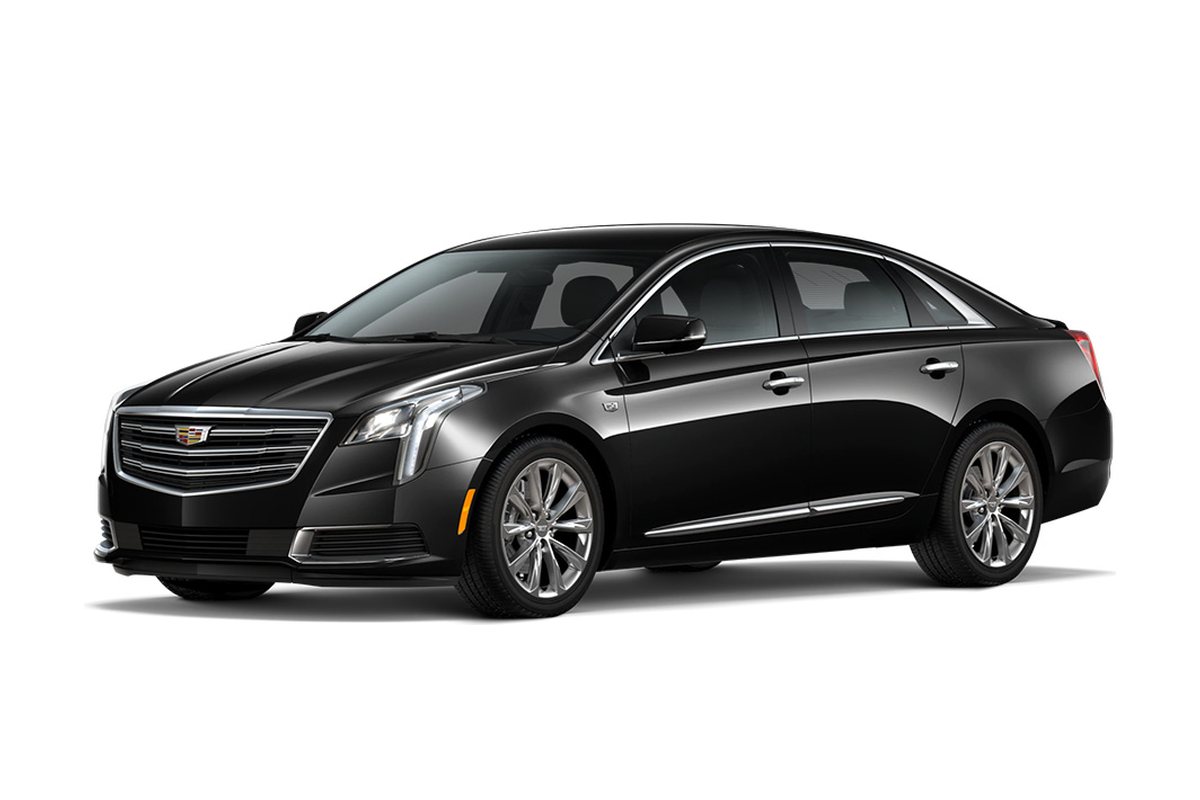
Most policies end up with three tiers. Everyday staff and visitors: business sedan, or a business SUV from November to March. Teams of four to six: business SUV or executive SUV. Executives and guests of honour: first-class sedan, with approval for the Jet Sprinter, a VIP lounge Sprinter for seven at $650–750 per hour, when a group wants to work on the road.
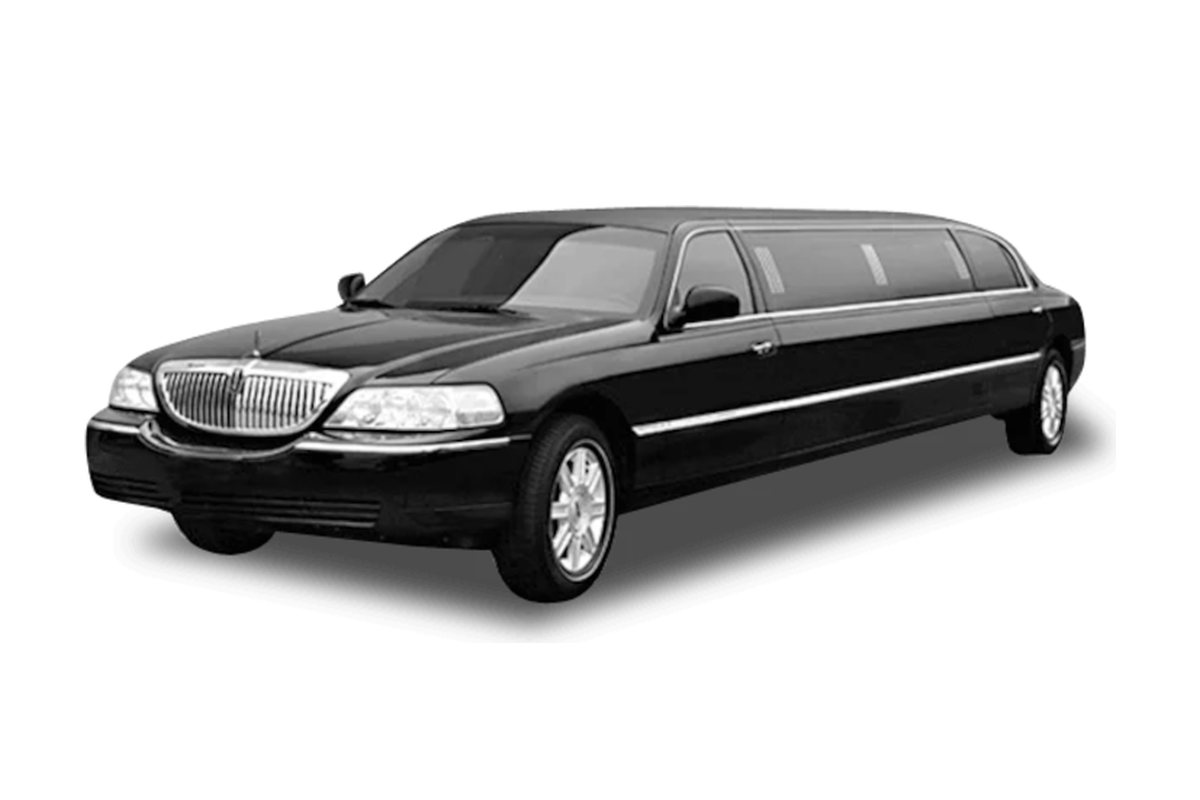
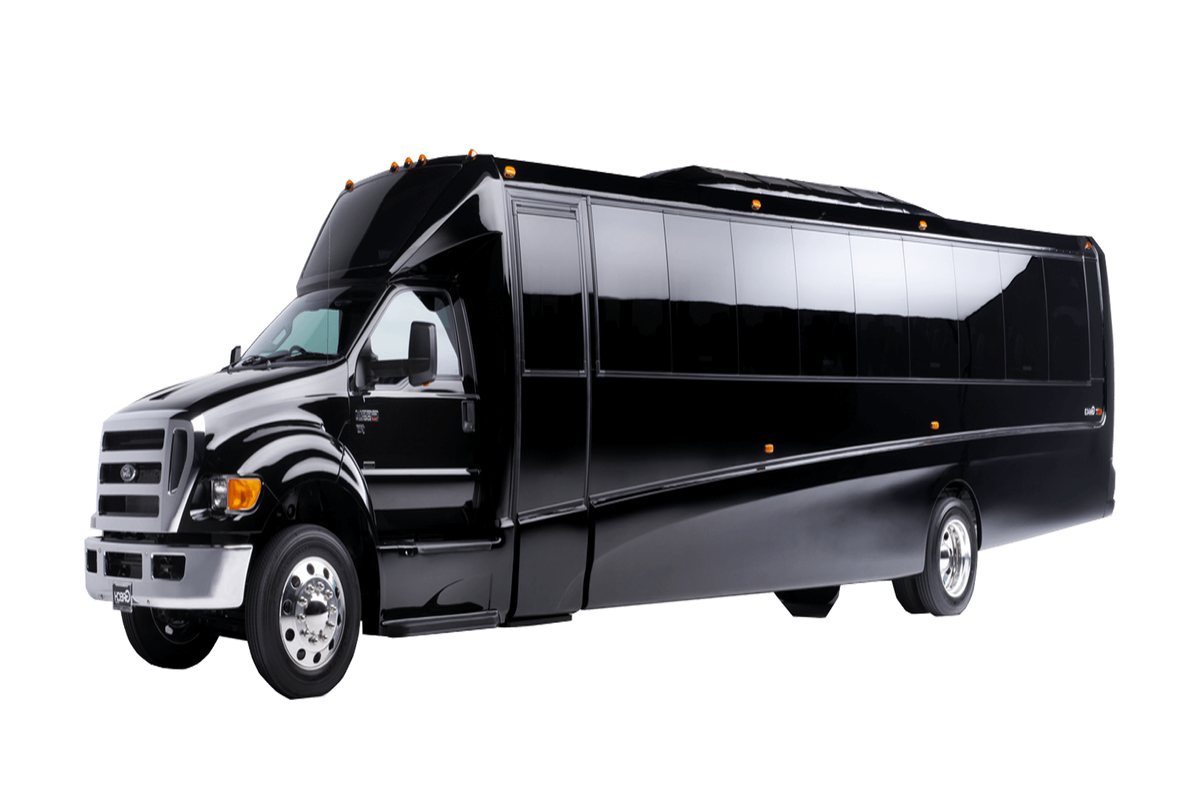
Add two rules. Anyone travelling in January and February defaults to a four-wheel-drive SUV. Groups of seven to fourteen use a Sprinter at $475–550 per hour. Stretch limousines and Rolls-Royce are partner vehicles; party buses and coaches are partner vehicles priced in writing by a coordinator. The fleet page shows seats and bags for every class.
How should the policy handle airport arrivals?
Pearson is the default for visitors, Billy Bishop for short-haul and downtown meetings, Lake Simcoe Regional Airport for private aircraft. Every airport pickup is flight-tracked; waiting is included for 30 minutes on Canadian domestic and US flights and 60 minutes on other international arrivals, counted from actual landing. Curbside pickup is standard; a name-board meet and greet is an optional add-on chosen on the booking form.
Pearson has Terminals 1 and 3, so the booker should enter the terminal from the airline's confirmation; Toronto Pearson's own site is the place to confirm a terminal. Our corporate airport transfers post goes through the arrival process, and the Pearson airport page covers the detail.
What happens when something goes wrong?
Write down in advance who calls whom. A delayed flight is tracked and is not a cancellation; the pickup follows the real arrival. If a traveller is not at the door, the standard waiting rules apply: 15 minutes at an address, then 15-minute blocks. If snow slows Highway 400, dispatch proposes an earlier pickup or an SUV and tells the booker why.
Dispatch is staffed around the clock, so the emergency contact is the same number at 3 a.m. as at 3 p.m. Keep the contact details in the page header on the booker's phone. A short escalation line in the policy, such as "phone dispatch first, then the travel coordinator", prevents confusion on the bad morning.
How do you read and reconcile the invoice?
The fare is a fixed figure that covers the chauffeur, vehicle, fuel, tolls on the planned route, airport fees and gratuity, with HST on a separate line. There is no meter and no surge, so the number on the confirmation is the number to expect. Waiting beyond the included time and extra hourly blocks are the only moving parts, and both are defined.
Match each confirmation's reference to the invoice line. Invoicing arrangements and payment terms are agreed with a coordinator in writing, and whether any HST is recoverable is a question for your own accountant. The rates page sets out waiting, minimums and cancellation for every vehicle.
What does duty of care mean in practice?
For a travel manager it means knowing three things: that a traveller was collected, where the car is and when it arrived. Dispatch can confirm each at any hour on request. Passengers are not a topic of conversation for our chauffeurs, and the vehicles carry no markings.
For very long days a second chauffeur can be assigned so the driver is fresh, and overnight programmes with the chauffeur staying over are arranged at booking. For border trips, ask for a chauffeur who holds NEXUS. If your policy covers travellers with accessibility needs, an accessible vehicle can be arranged with advance booking.
How do you handle visiting delegations and group programmes?
A delegation is a project: a list of names by flight, a hotel, a programme and a departure. Send it to a coordinator rather than booking piecemeal; the coordinator confirms the vehicles and the price in writing. A Sprinter takes up to fourteen; larger groups travel in partner minicoaches or coaches.
Our roadshows and site visits page and the executive roadshows post describe the day. For flights, hotels and packages around the programme, the travel desk works with BookingWorldwide.net.
What do winter and summer Fridays do to a policy?
Two clauses save a lot of argument. From November to March, lake-effect squalls can slow or close Highway 400 between Barrie and Highway 89, so the policy should default to an SUV and allow an earlier pickup without approval. In the cottage season, Victoria Day to Thanksgiving, the northbound 400 fills on Friday afternoons and the southbound side on Sundays.
Tell visitors landing at three on a Friday in July to expect the top of the 60–85 minute window to Pearson. The Highway 400 winter guide and Ontario 511 are the references to put in the policy.
What should you review every quarter?
Look at the confirmations as a set. Which routes repeat? Are travellers using the right class? How many trips were booked less than 24 hours ahead? Which codes are wrong? A quarterly look at these four questions improves a policy more than any dashboard.
We do not promise a reporting product, and an account does not need one: the confirmations carry the references, and a coordinator can talk through patterns with you. If a route repeats weekly, ask a coordinator whether a standing arrangement would be calmer than daily bookings.
How do you start?
Send your company details and the names of your bookers through the contact page, and a coordinator replies. Meanwhile, anyone can book a single trip on the booking page, see the fixed fare and confirm. Alcohol is not allowed in our vehicles, which belongs in the policy too.
Finance can budget for a change because the terms never vary: more than 72 hours before pickup is free; at 72 hours or less it is 10 %, at 48 hours or less 50 %, and at 24 hours or less or on a no-show 100 %.