VIA Rail Barrie connections run through Toronto's Union Station, where VIA's corridor trains depart; from Barrie you reach it by GO Transit or by car. GO suits a solo daytime traveller with light bags. A Barrie to Union Station car is $420–485 for a business sedan, about 114 km in 75–105 minutes, and wins with luggage, groups, early starts and late returns.
Is there a VIA Rail Barrie connection, and how do you make one?
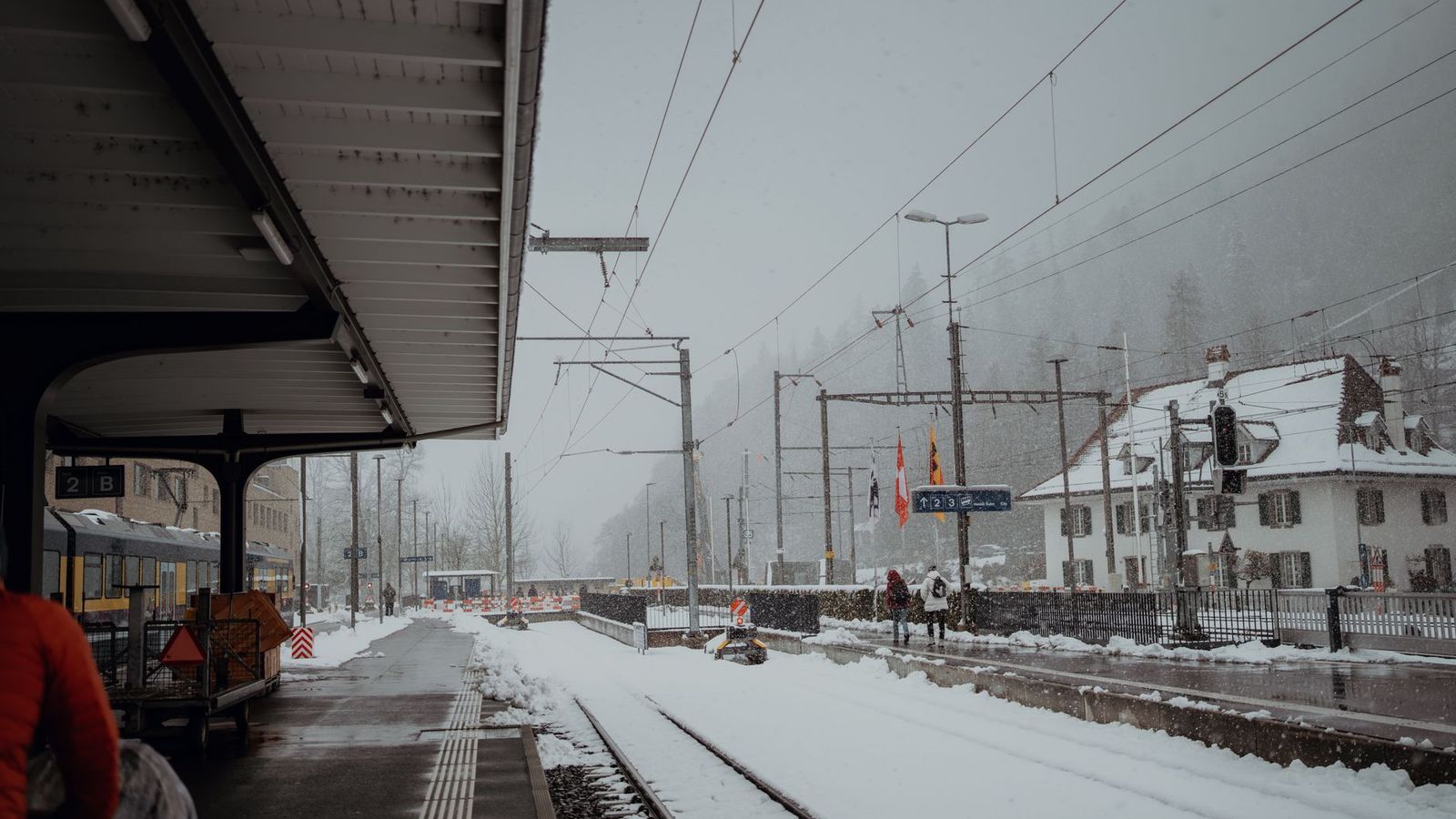
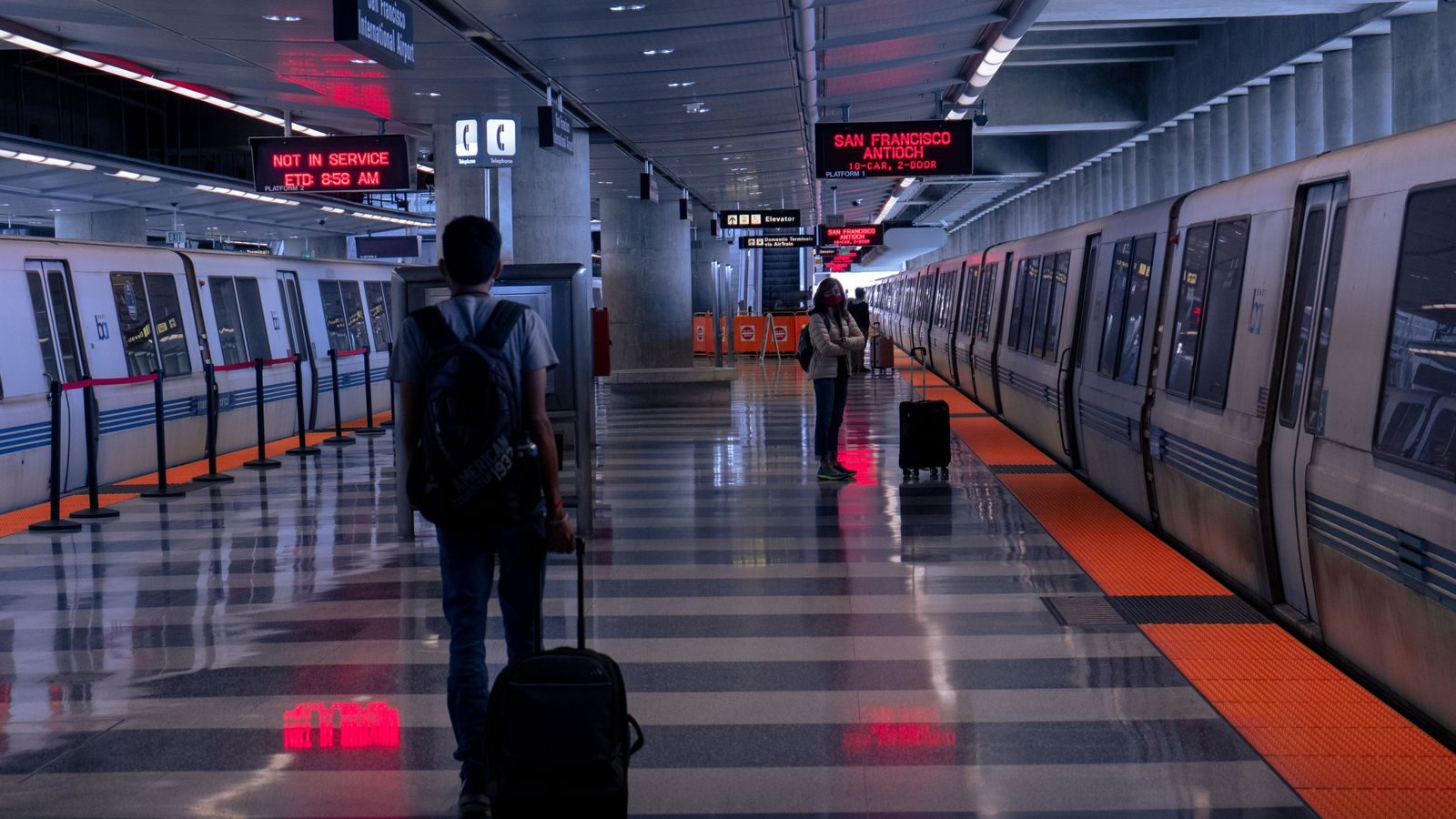
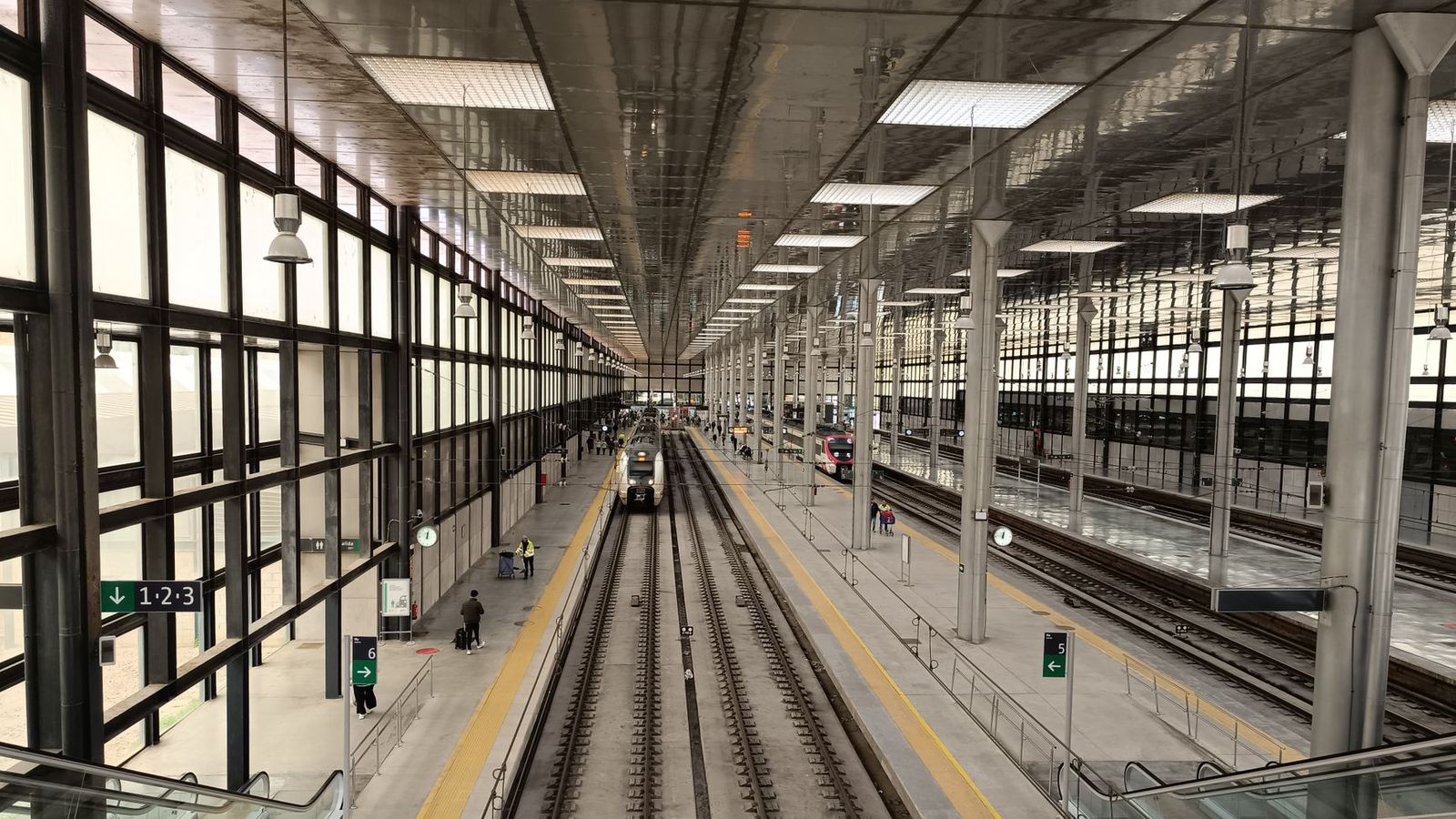
Barrie's own passenger trains are GO Transit trains: the Barrie line runs between Allandale Waterfront GO and Barrie South GO and Union Station in downtown Toronto, calling at Bradford and other stops on the way. VIA Rail's corridor trains, for Ottawa, Montreal and other cities in the east, start at Union. So a "VIA Rail Barrie" trip is really two trips: Barrie to Union, then VIA onward. Confirm the current VIA service on VIA Rail's site and the GO schedule on the GO Transit site; we do not print timetables or fares for either, because they change.
Our job is the first leg, and sometimes the last: a car that gets you to Union Station on a fixed fare, with the right amount of margin, and that is waiting when you return.
What does a car from Barrie to Union Station cost?
These are planning ranges, one way between downtown Barrie and Union Station, all-in plus HST. They include the chauffeur, vehicle, fuel, the 407 ETR and bridge tolls on the planned route and gratuity. The reservation engine prices your exact address and shows one fixed number before you confirm.
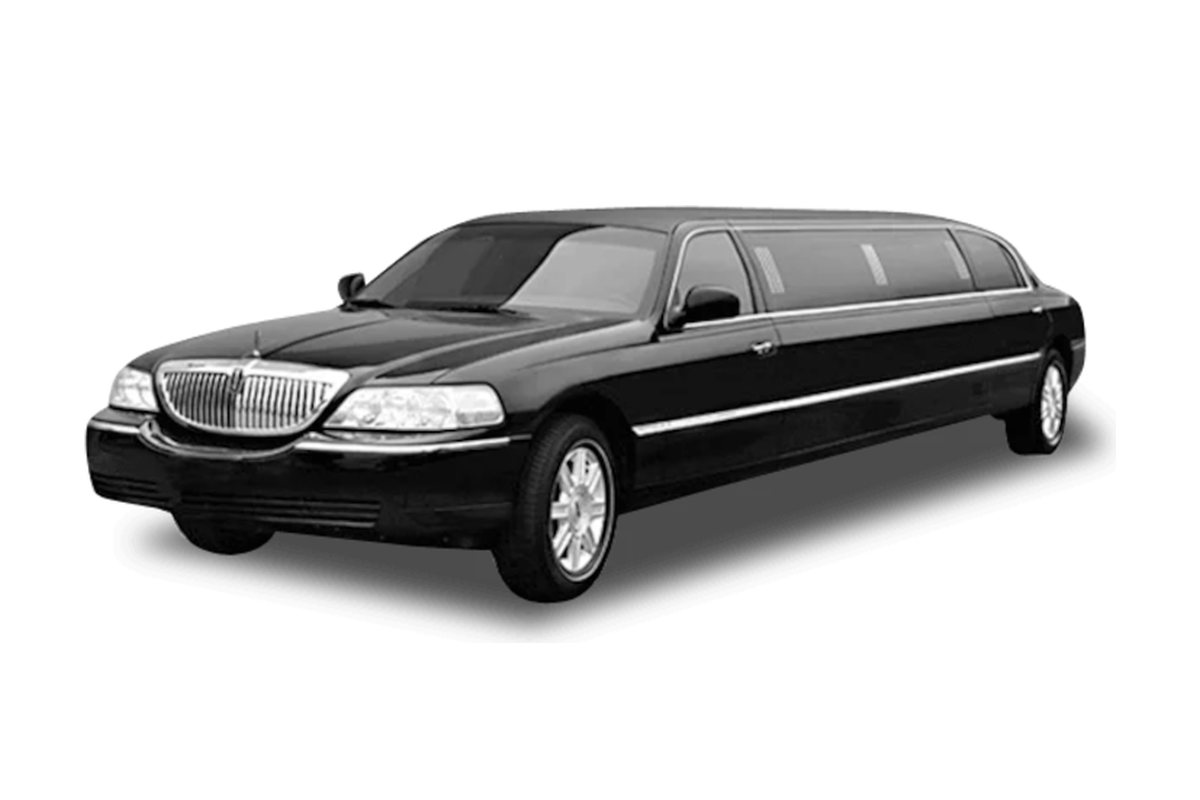
| Vehicle | Passengers / bags | Barrie ↔ Union Station (one way) | Distance | Drive time |
|---|---|---|---|---|
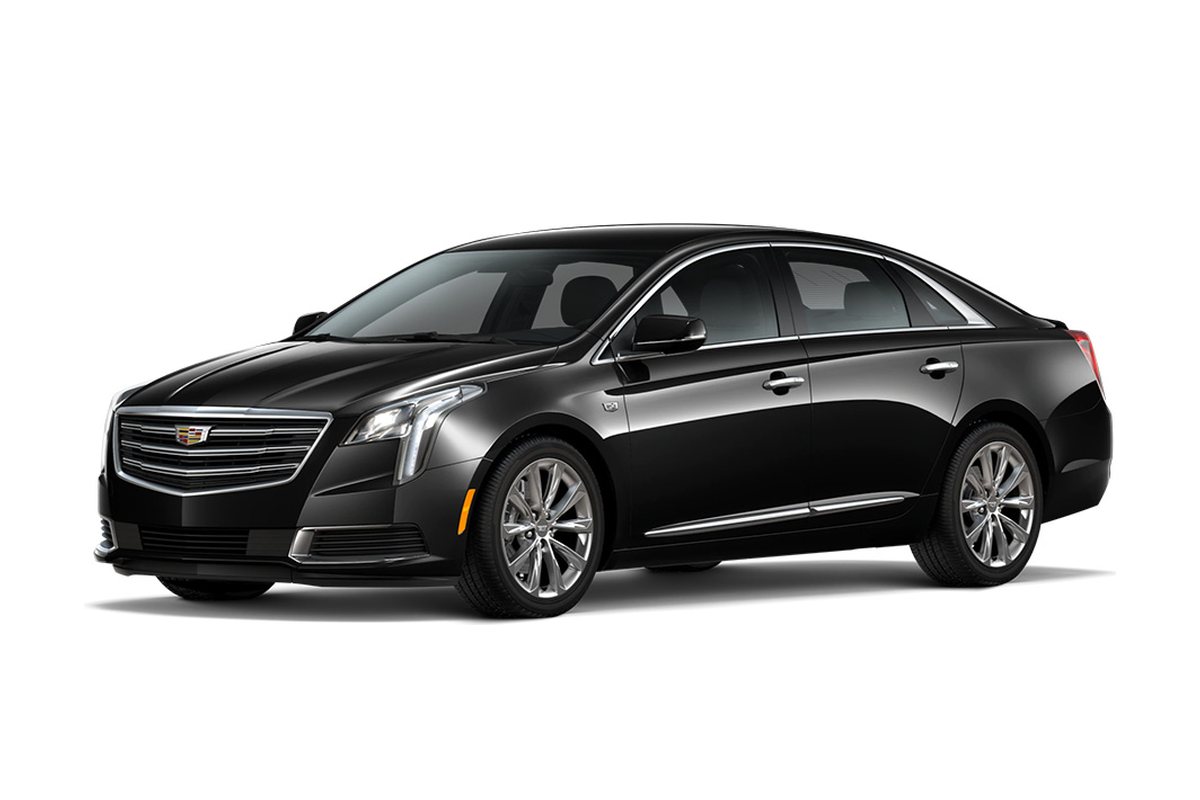
| Business sedan | 3 / 3 | $420–485 | about 114 km | 75–105 min |
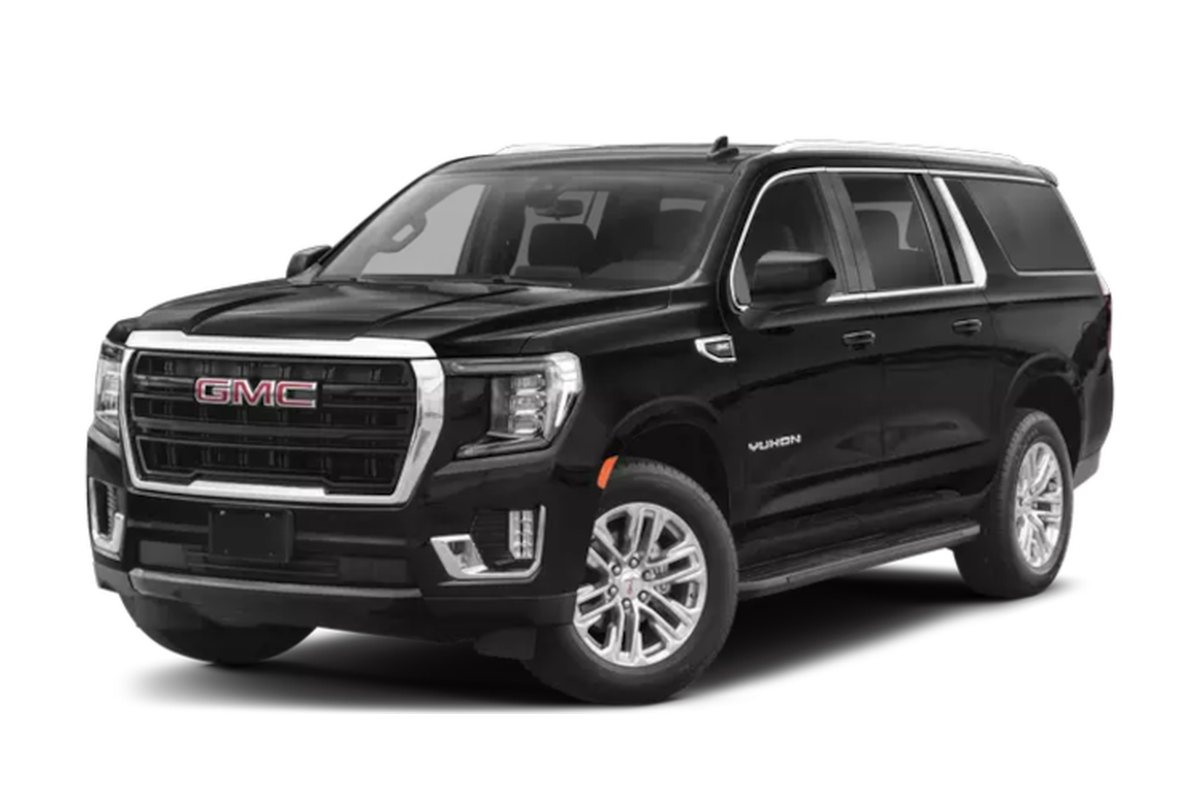
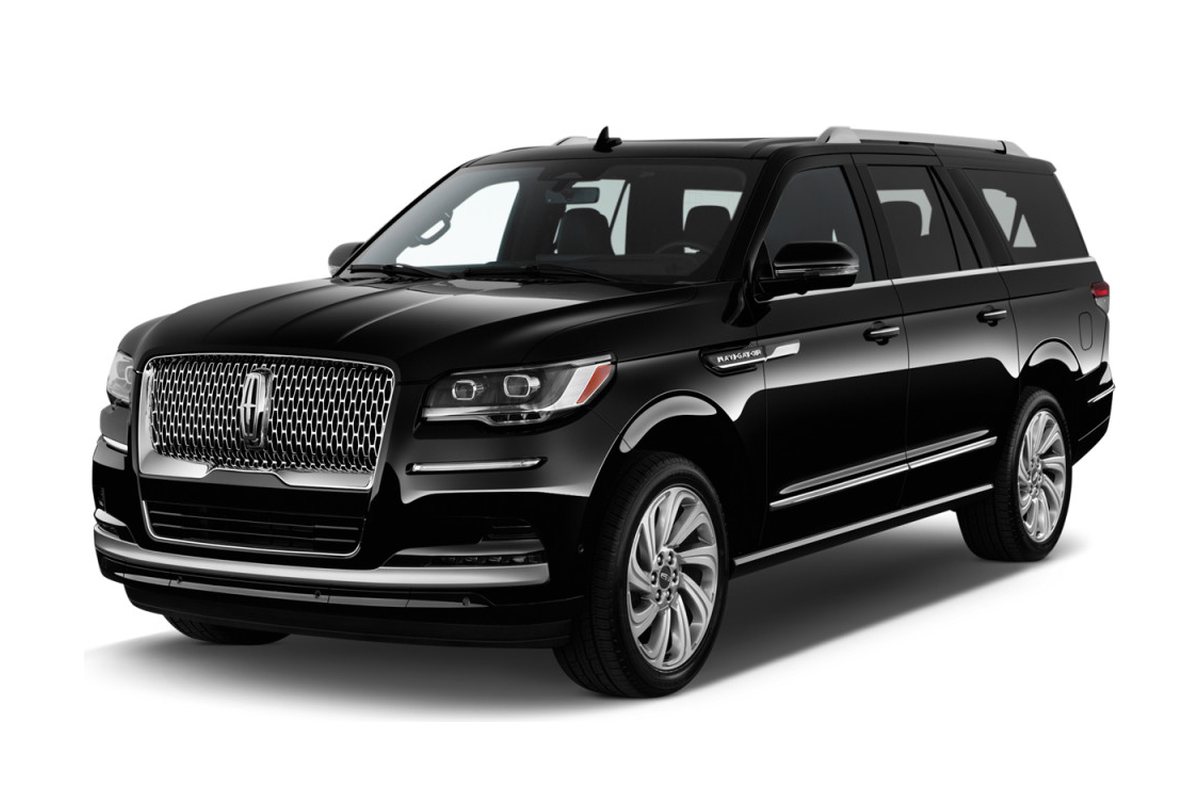
| Business SUV | 5 / 5 | $550–630 | about 114 km | 75–105 min |
| Executive SUV | 6 / 6 | $660–760 | about 114 km | 75–105 min |
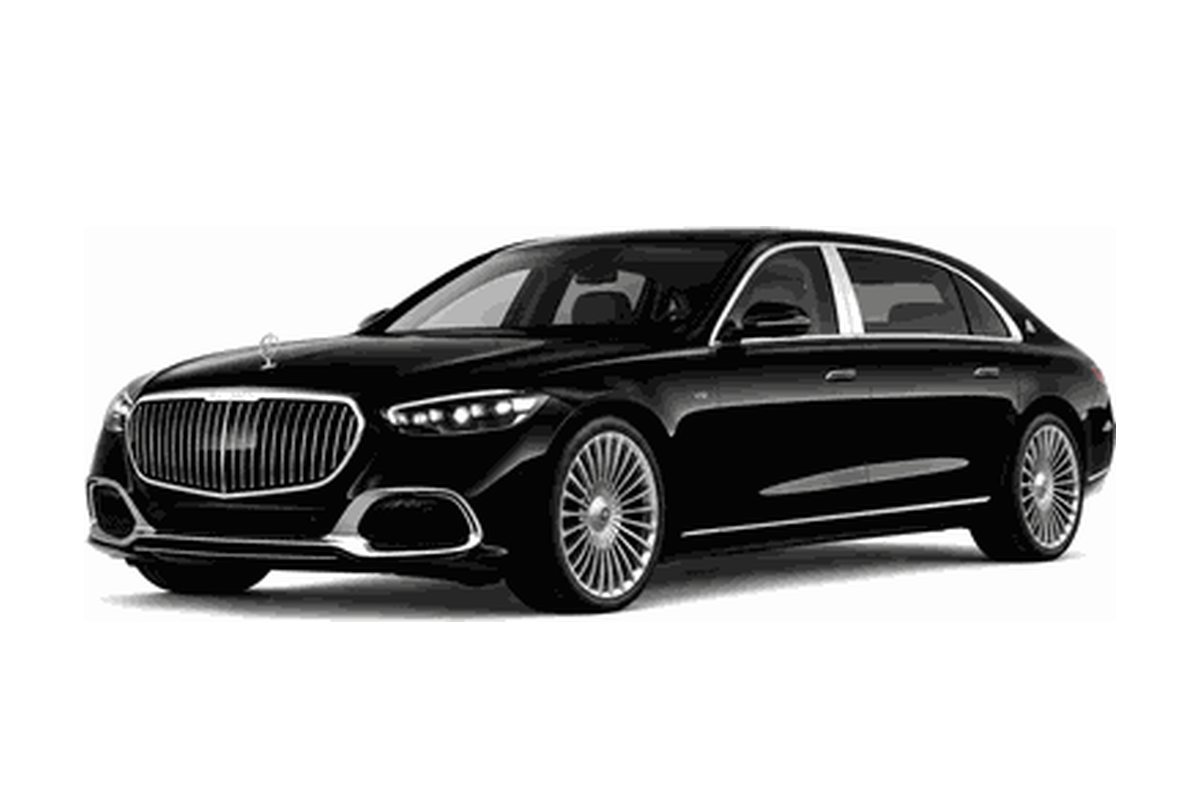
| First-class sedan | 3 / 3 | $1,010–1,160 | about 114 km | 75–105 min |
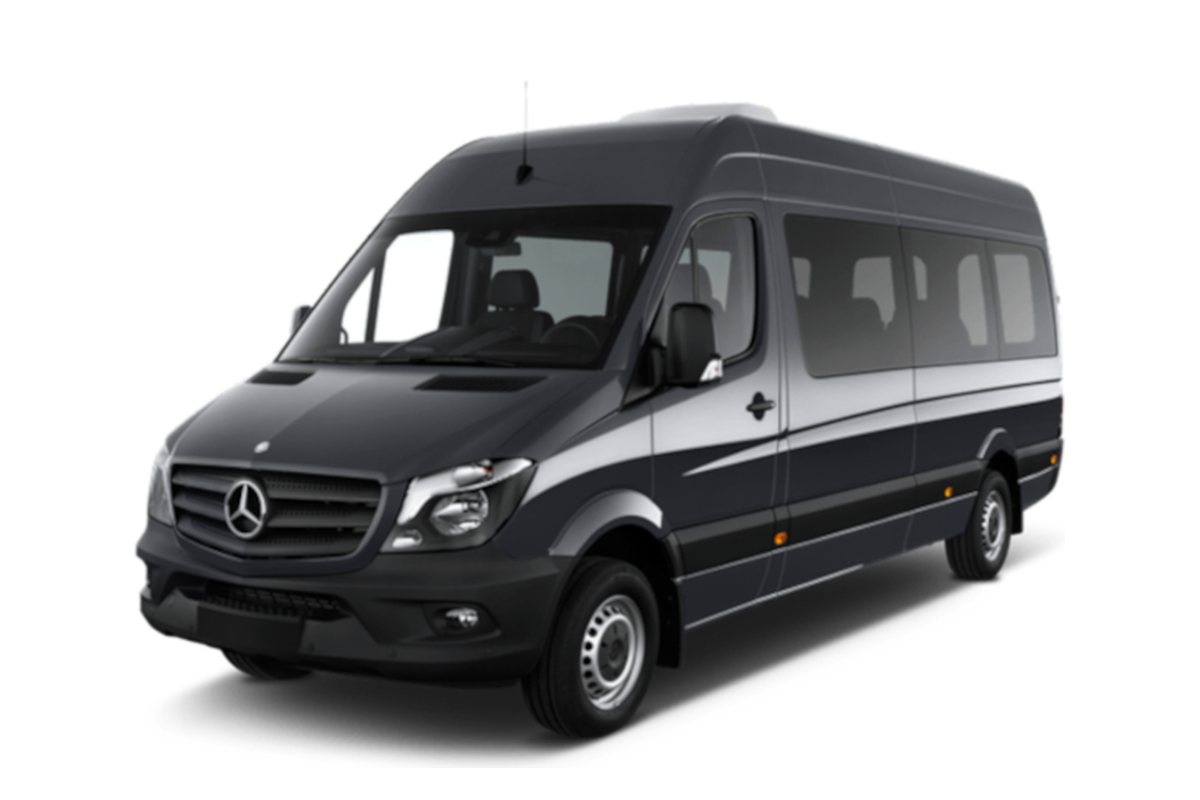
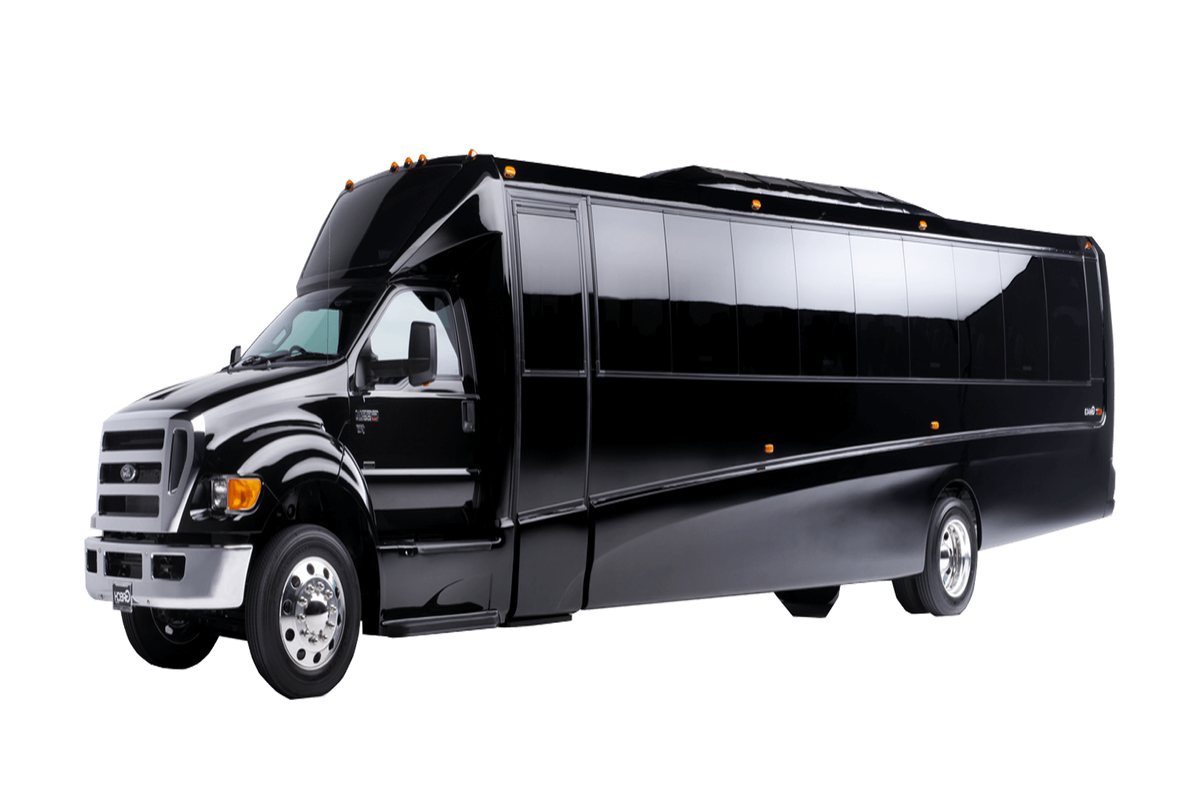
| Sprinter | up to 14 | $1,550–1,780 | about 114 km | 80–110 min |
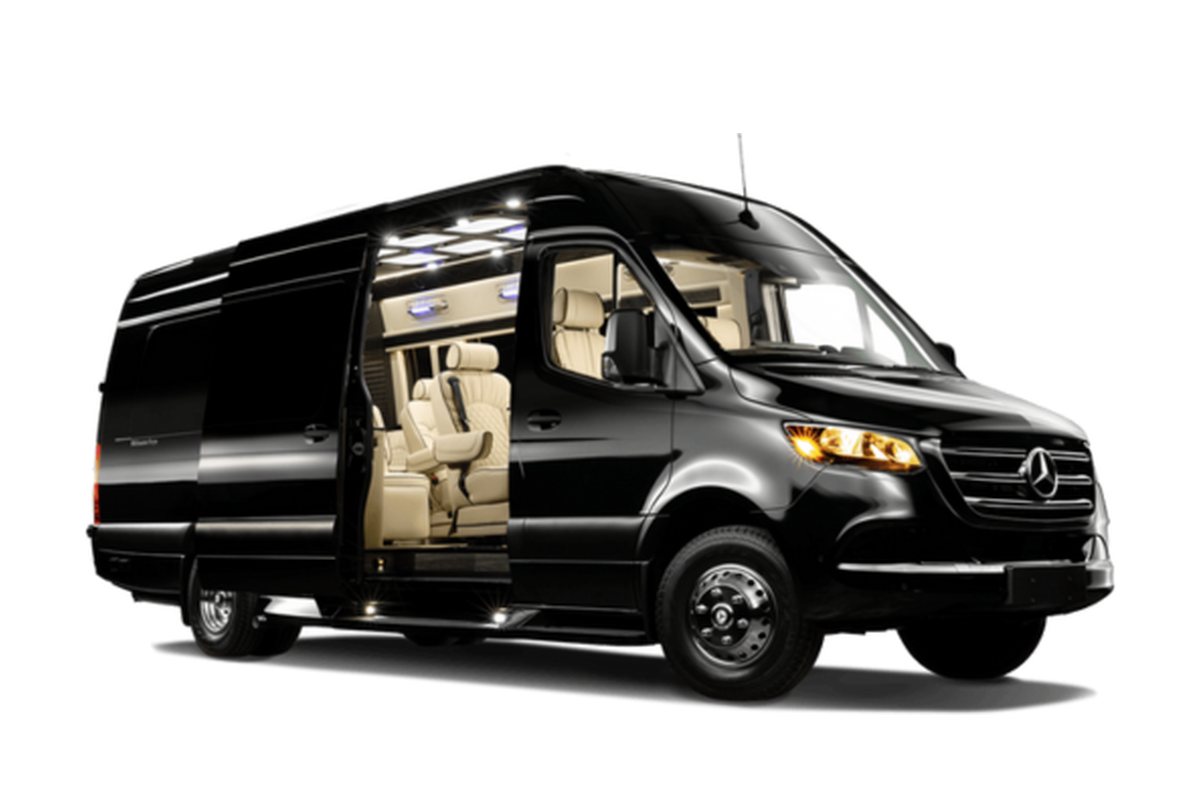
| Jet Sprinter | 7 / 5 | $2,120–2,440 | about 114 km | 80–110 min |
A luxury minivan on this route is quoted by the engine. Everything on the table is per vehicle, not per seat, which is why a family or a small group often finds the car closer to the GO fare for the whole party than they expected.
When does GO beat a car, and when does a car beat GO?
The honest answer is that GO wins for the solo traveller with a daytime train, one bag and a timetable that fits. It is cheaper than a private car, and we would not tell you otherwise. The car earns its fare in other situations.
| Your situation | Better choice | Why |
|---|---|---|
| One person, one bag, weekday daytime | GO Transit | Lowest cost; check the schedule for your hour |
| Two to six people with luggage | Car | One fare for the vehicle; no platform with a pram and four cases |
| Departure before dawn or arrival after midnight | Car | Train timetables are built around commuters |
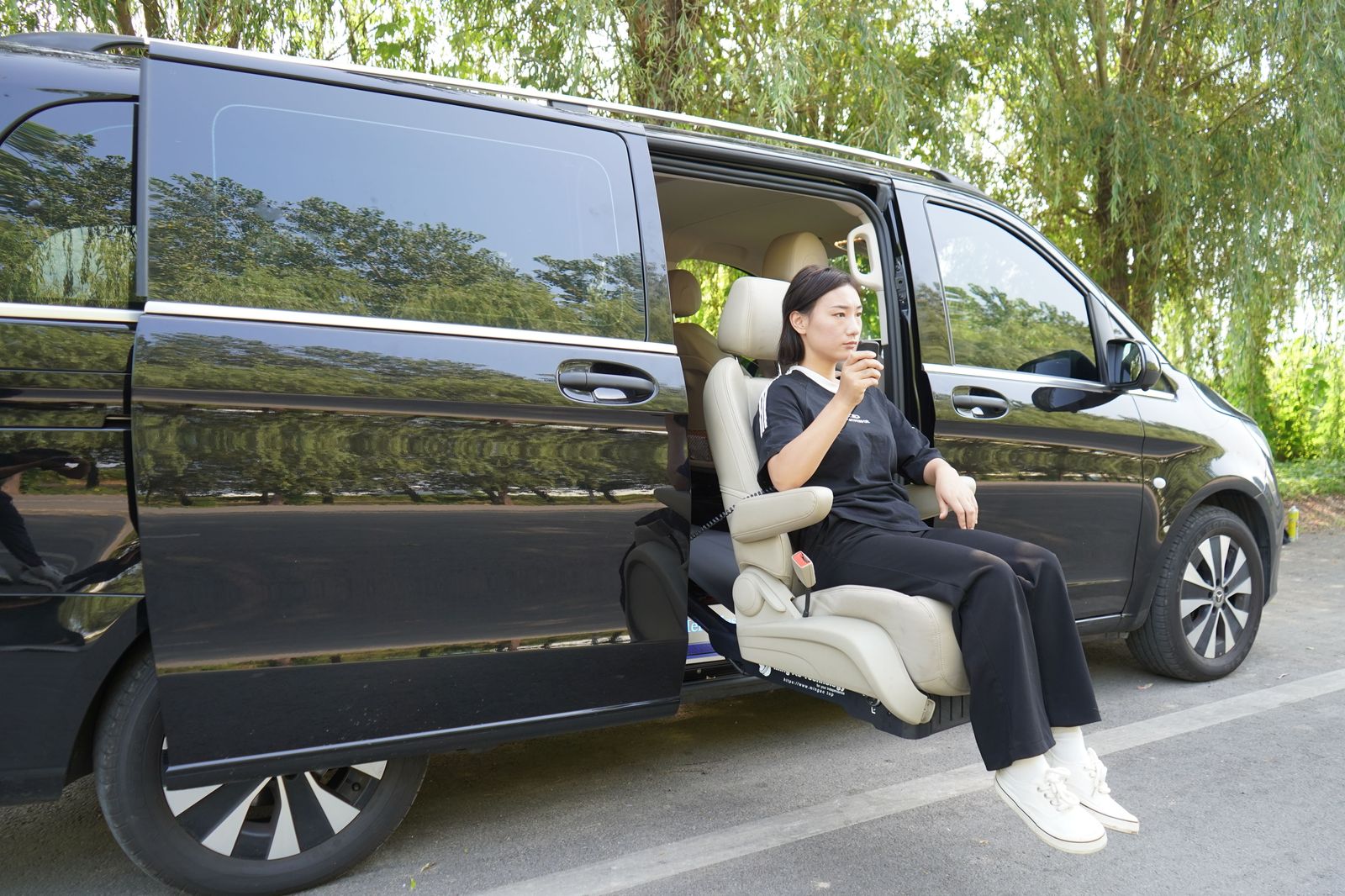
| Reduced mobility or a long walk to the station | Car, with a wheelchair-accessible vehicle booked ahead | Door to door; tell us about the wheelchair or scooter |
| A connection that cannot be missed | Car, with margin | You choose the margin, and the car does not stop at every station |
If more than one row in the table describes you, the car is probably the better day. If none do, take the train and enjoy the ride.
How early should you reach Union Station for a VIA train?
That is VIA's rule, not ours, and it depends on your ticket class and your baggage. Read the rules on the VIA Rail Toronto station page and in your own booking. On that page VIA lists the station's opening hours, a baggage checkroom with its own hours, a business lounge and accessibility assistance: passengers with special accessibility needs are asked to report at least 30 minutes before departure in the Great Hall, and curbside assistance is requested in advance. Hours and rules change, so check the page for your date.
What we add is the drive. From Barrie plan 75 minutes on a quiet road and up to 105 in a weekday rush, then add VIA's recommended time at the station, then a margin for weather. The chauffeur and dispatch will propose a pickup time when you book.
What does a day timeline from Barrie to a VIA departure look like?
Here is an illustration, not a timetable. Suppose your VIA train leaves Union at 10:00 a.m. and you want to be on the platform comfortably early.
- 5:45 a.m. Chauffeur at your Barrie door. Bags in, coffee in hand.
- 6:00–7:45 a.m. The 400 south, then the 401 or the 407 ETR, then the downtown approach. This is the heavy window: plan 90–105 minutes.
- 7:45–8:15 a.m. Drop-off at the station entrance agreed in your confirmation, with margin before VIA's check-in guidance.
- Evening return. A second booking, with the chauffeur tracking the train you arrive on, so the pickup follows the real arrival.
If your start is later in the morning, the weekday rush eases and the same drive can be closer to 80 minutes. If the day begins on a snowy January morning, bring the pickup forward by 30–45 minutes. A VIA train does not wait for a car stuck on the 400.
How does a car meet you off a late train back at Union Station?
Station pickups are train-tracked, so the chauffeur is positioned for your actual arrival and not the timetable. Included waiting on a station pickup is 15 minutes from the actual arrival, then 15-minute blocks, and dispatch tells you before extra time begins. Your confirmation says where the car waits, because Union is a busy building with limited kerb space and the best spot changes by time of day.
This is where a car beats a connection: the train from Montreal runs late, you walk out with a suitcase, and a chauffeur you already know about is outside. Nobody checks a GO timetable at midnight. Our Union Station page covers the station end in more detail.
What about Barrie South GO and Allandale Waterfront GO?
If the train is the right choice for the long leg, the car can still do the short ones. Within Barrie a business sedan is a planning range of $110–125 (up to 10 km, 5–20 minutes), and short local trips carry per-class minimums, so the car is most sensible with luggage, an early departure or a late return after the buses have stopped. Our pages for Allandale Waterfront GO and Barrie South GO cover each station.
Some travellers use a hybrid: a car from home to Barrie South at dawn, GO to Union, and a car home from Union at night after a long day. It is the most common way people mix the two, and it costs less than the car both ways.
Can a car take you to a cruise departure in Toronto?
Yes. The Port of Toronto's cruise terminal hosts seasonal Great Lakes sailings, and the Toronto Port Authority's cruise page lists the operators that call there, including Hapag-Lloyd, Pearl Seas Cruises, Plantours, Ponant, Victory Cruise Lines and Viking. Check your cruise line's documents for the embarkation time and the exact terminal address.
A cruise embarkation is a luggage day: big cases, a planned arrival window and sometimes a long wait at the other end. Use the Union Station figure above as a guide to the planning range for downtown Toronto and let the engine price the terminal address itself. A business SUV carries five passengers and five bags, an executive SUV six and six. For the trip home, give dispatch your disembarkation window and ask about waiting. Our travel desk can arrange the flights and hotel nights around a sailing.
What if your journey continues beyond Union by rail?
Many Barrie travellers use Union as the first stage of something bigger: a corridor train to Ottawa or Montreal, a Kingston wedding, a university move. For luggage-heavy trips, ask whether the whole route is better as a car. Barrie to Ottawa is about 410 km and 4.25–5 hours, and our Ottawa distance guide lays out when a car beats a train change and when it does not.
If the train is the plan, the chauffeur's job is the platform, not the whole route. A coordinator can discuss a vetted partner at the other end of a trip through the LimousineWorldwide.Directory network, and we say plainly when a vehicle is a partner's.
Is an hourly chauffeur better for a day in Toronto before the train?
Sometimes. Say you have meetings in the city and a late train home: an hourly chauffeur keeps one car and one chauffeur with you from a 3-hour minimum, at planning figures of $135–160 an hour for a business sedan, $175–205 for a business SUV and $225–265 for an executive SUV, all-in plus HST. A four-hour sedan booking is $540–640. The car waits while you are in a meeting, holds your coat and bags and puts you at the platform on time.
It does not replace the train for the long leg; it replaces the waiting around. Our hourly and point-to-point guide walks through the choice.
What about luggage, children, pets and accessibility?
A business sedan carries three people and three bags, a business SUV five and five, an executive SUV six and six. Child seats are from $25 each, added at booking. Pets need prior approval: request it at booking and wait for written confirmation, and note that VIA has its own pet rules to check. Service animals are welcome and should be mentioned at booking.
A wheelchair-accessible vehicle is available if you book in advance and tell us about the wheelchair or scooter. We do not claim a model or ramp specification; the booking conversation settles what you need. Alcohol is not allowed in our vehicles.
What about a student heading to university by train?
September and January are the busy weeks for students, and Georgian College's Barrie campus is only one of the starting points; others are heading to Kingston, Ottawa or Montreal with a winter coat, a lamp and four bags. Two bags are a train problem; four bags and a parent are a car problem. A business SUV (five passengers, five bags) or a luxury minivan, quoted by the engine, handles the first leg, and the student boards at Union with one trip's worth of lifting instead of three. Tell us the number of bags at booking and the engine suggests the right vehicle.
How do Sunday evenings and long weekends change the plan?
From Victoria Day to Thanksgiving, cottage-country traffic builds on the 400 northbound on Friday afternoons and southbound on Sunday afternoons, worst on long weekends. If your VIA train leaves on a Sunday afternoon, expect the southbound drive to Union to sit at the top of our 75–105 minute range, and add margin accordingly. For the return north on a Sunday evening the direction is kinder, but a long-weekend Monday afternoon is not. Dispatch looks at the day when you book and suggests a time; the cost of an hour's extra margin is small beside a missed departure.
How do cancellations and delays work on a connection trip?
More than 72 hours before pickup, no charge. At 72 hours or less, 10 %; 48 hours or less, 50 %; 24 hours or less or a no-show, 100 %, all measured from the scheduled pickup. A late train is handled by tracking, not by a cancellation, and the chauffeur moves with you. Your VIA ticket has its own change rules, so read them before you book the car, and book the car with the same time margin you would add to a flight.
How do you book a car for a VIA Rail connection from Barrie?
Booking is direct on BarrieLimo.net, with no app and no aggregator commission. Open the reservation engine, enter your Barrie pickup address and Union Station, or the reverse for a return, choose the date and time, add the train number in the booking notes, pick the vehicle for your party and bags, and read the fixed fare before you confirm.
Other fares from Barrie are on the routes page and the rates page.