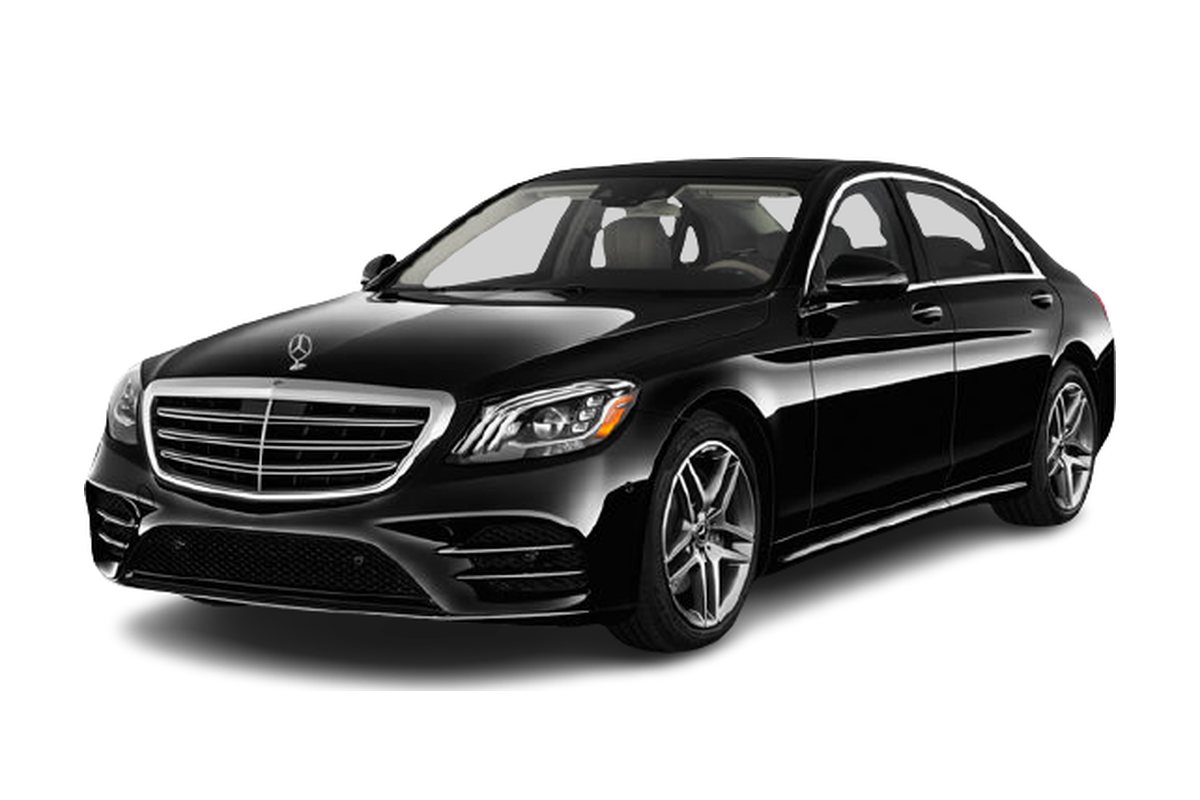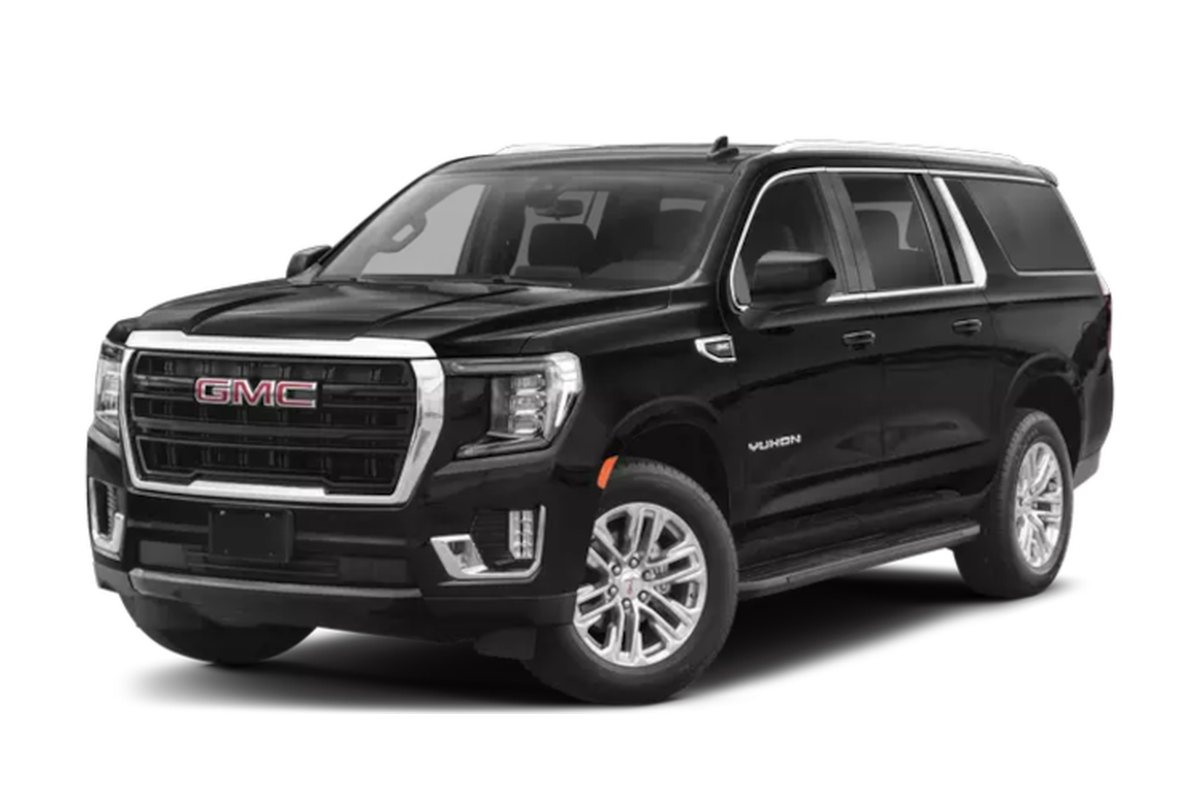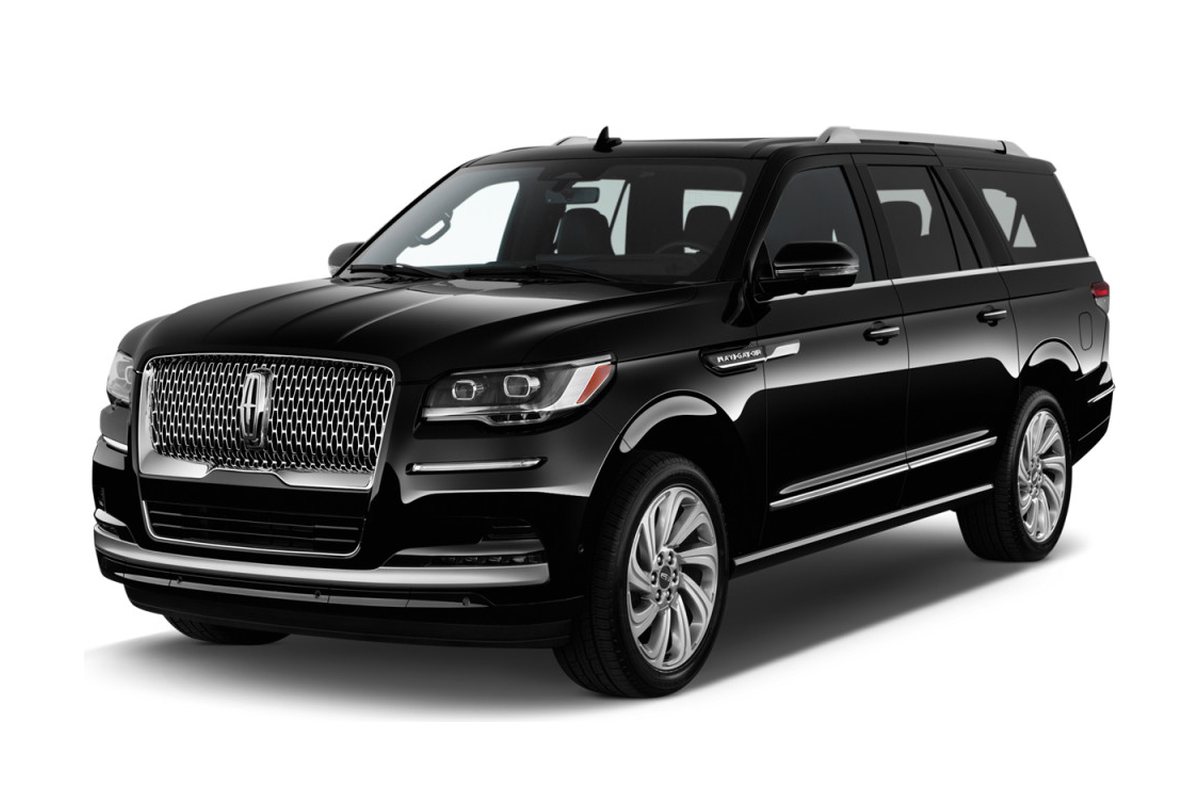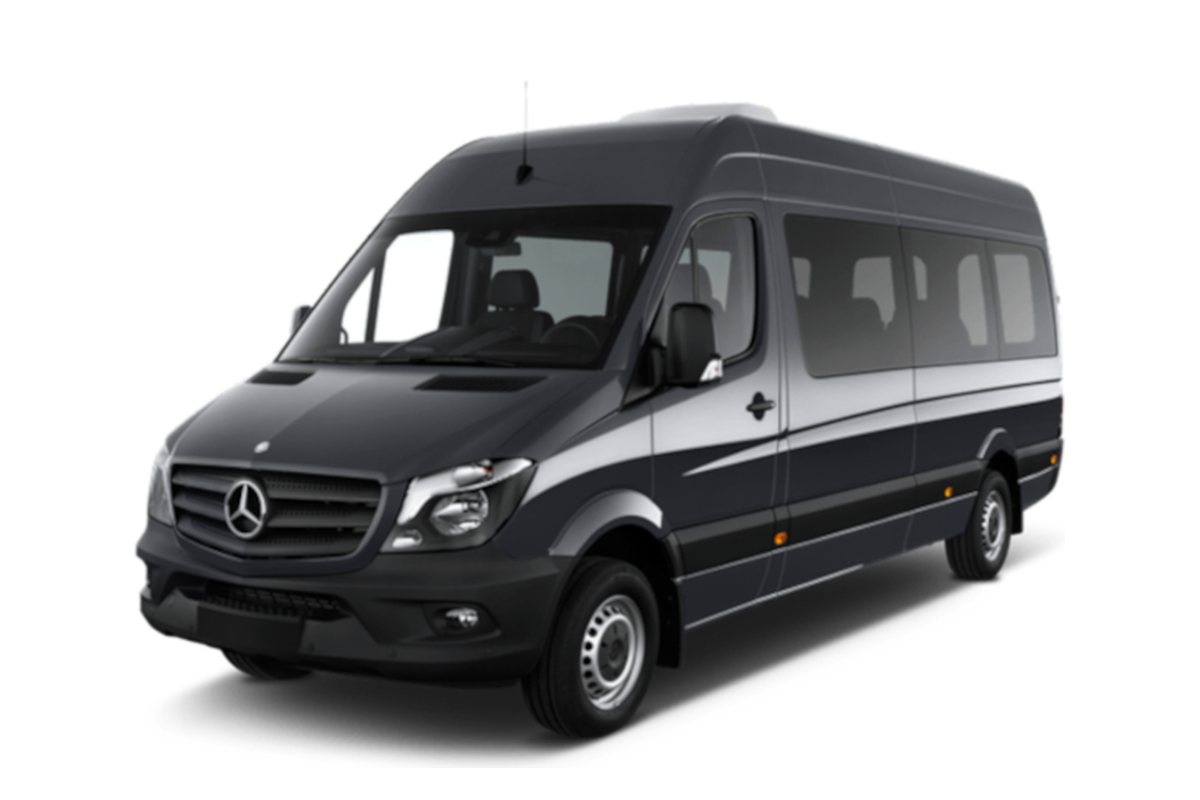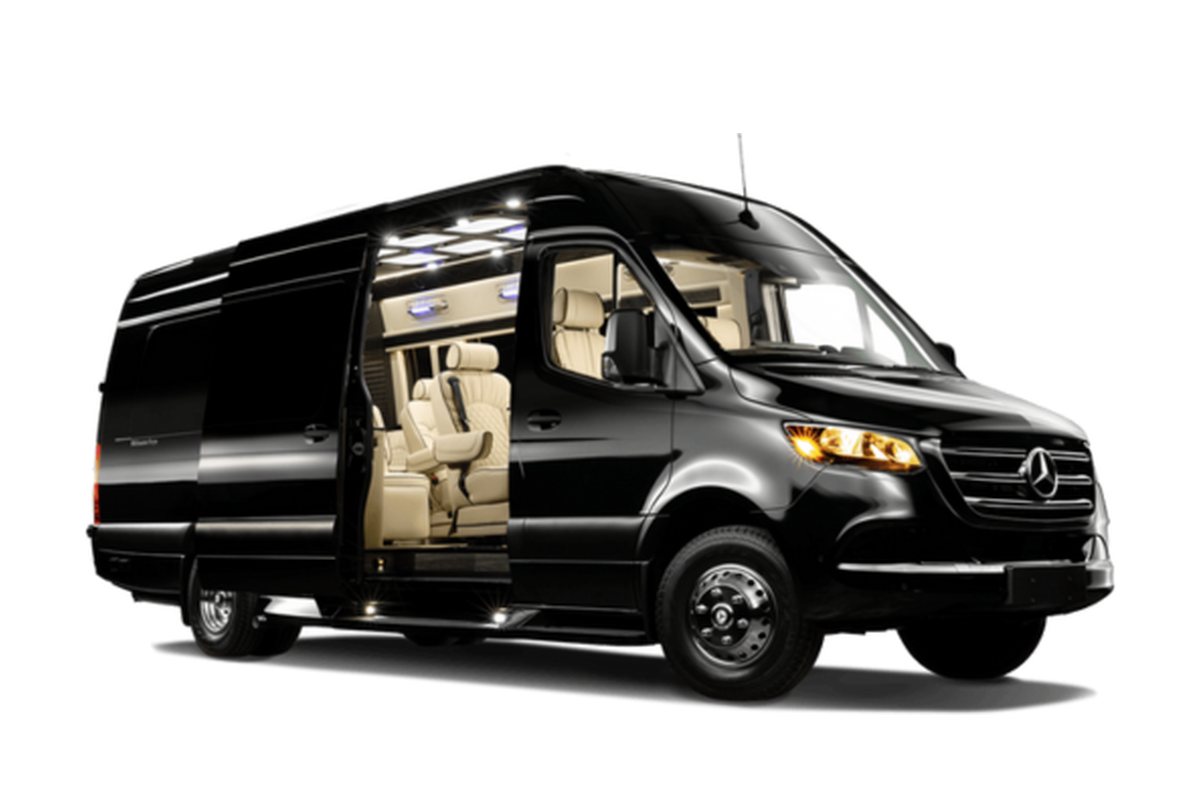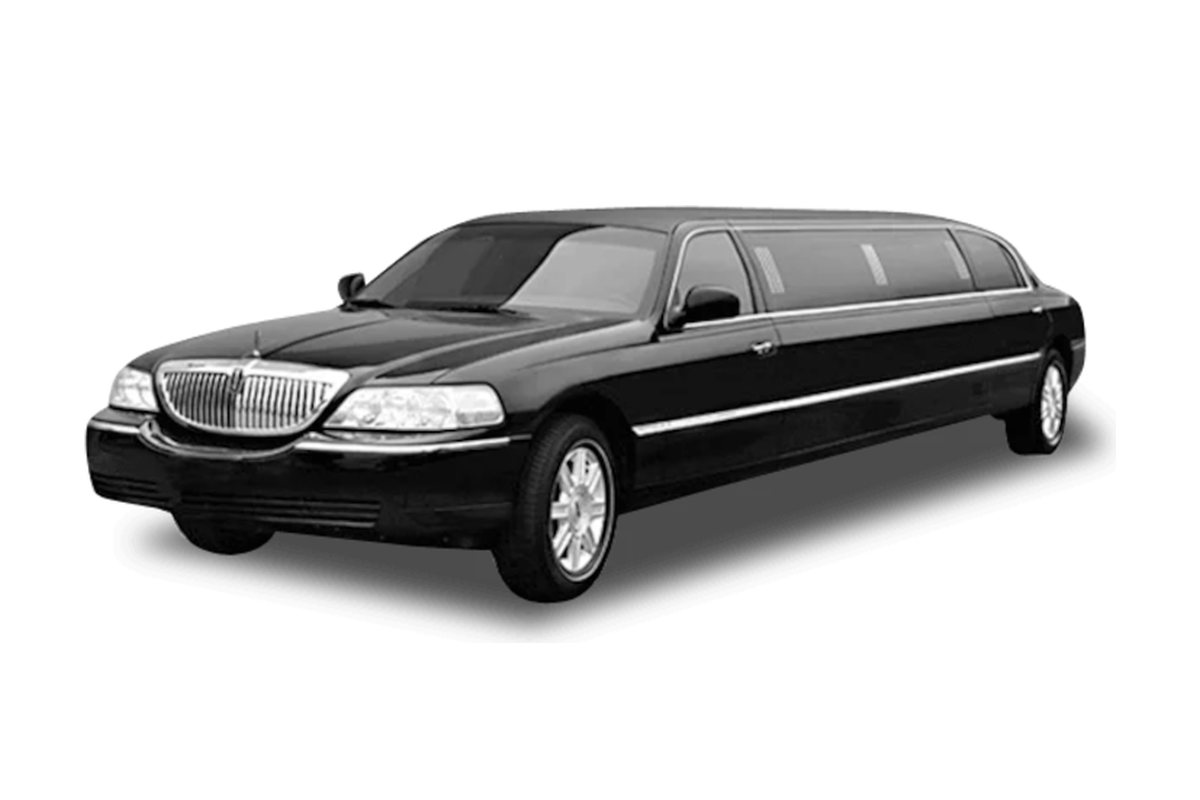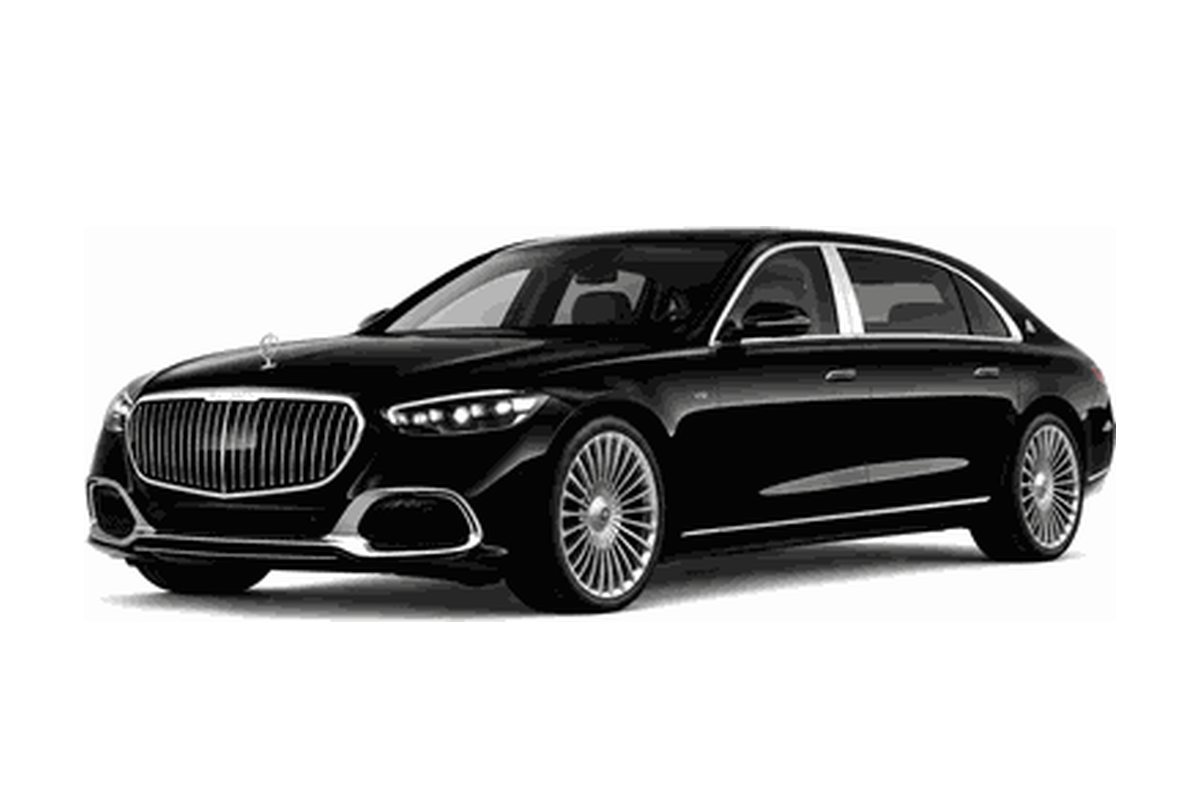

On limo insurance Ontario sets benchmarks for intercommunity vehicles seating one to nine: $2 million of cover up to seven seats and $5 million at eight or nine. Ask any operator for a certificate showing commercial passenger cover, the limit, the dates and the vehicle, and note that Barrie licenses limousines separately. See our Barrie limo company page and book direct.
What should you check on limo insurance Ontario operators carry?
Four things, all on one document. Ask for a certificate of insurance and read it for the company name, the effective and expiry dates, the vehicle and the liability limit, and confirm that the policy is for carrying paying passengers and not a private car policy with a business use box ticked. A genuine operator sends it within minutes, because they have it to hand.
Then compare the limit with the benchmarks in Ontario's own rules, set out below. None of this makes you an underwriter, and this guide is not legal advice. It simply turns a vague worry into four things you can verify before you pay.
Which licences apply to a limousine in Barrie?
The City of Barrie's Business Licensing (Transportation) By-law, number 2006-265, regulates transportation businesses carried on within the municipality. Its by-law page lists the categories that need a City of Barrie business licence: limousine (each), limousine driver, limousine company, taxi cab company, private transportation company and driver for hire company.
In practice that means three questions: is the company licensed, is the vehicle licensed, and is the chauffeur licensed. The City refers detailed questions to its enforcement services, and the by-law itself is the document to read. An operator should be able to tell you which of these licences it holds and what each covers.
What does Ontario require beyond the City?
The province regulates what it calls intercommunity passenger transportation: services for compensation that operate across a municipal boundary. Its page on intercommunity passenger transportation splits vehicles into two groups, buses that can carry ten or more passengers, and smaller vehicles with a seating capacity of one to nine, known as under-10s.
Municipally licensed vehicles for hire, such as taxis, are exempt from the under-10 permit but remain subject to municipal requirements. So there are two layers: the municipal licence and, for trips between municipalities, the provincial rules. A Barrie to Pearson run crosses boundaries, so the question to ask is plain: which regime covers the vehicle that will collect me, and how is it met?
What is the under-10 rule in plain words?
For vehicles with a seating capacity of one to nine passengers offering paid transportation between municipalities, Ontario's page sets these requirements:
- Insurance of $2 million for one to seven seats and $5 million for eight or nine seats, plus $5,000 for damage to passengers' property.
- A safety inspection twice a year at a licensed Motor Vehicle Inspection Station.
- A visible inspection sticker on the outside of the vehicle, so people can identify under-10 vehicles.
- A fire extinguisher on board.
- A driver with a full class G Ontario licence or higher, aged 18 or over.
- Registration by declaration at a ServiceOntario location.
The capacity that counts is the vehicle's seating capacity, not how many people booked, and a long-wheelbase SUV can be listed for eight seats. That is one more reason to ask how a vehicle is classified.
What changes at ten passengers and above?
Larger vehicles move into the bus category. The province's page says operators of intercommunity buses with ten or more passengers must comply with the Highway Traffic Act, hold a valid Commercial Vehicle Operator's Registration certificate, make sure drivers hold the appropriate licence for the vehicle, and carry a fire extinguisher.
The province's commercial vehicle safety page adds that vehicles with seating capacities of ten or more passengers, not including the driver, such as buses, large passenger vans and limousines, need an inspection every six months, as do accessible vehicles. The licence class for a larger vehicle is covered in the bus driver's licence guide.
How do the thresholds compare at a glance?
Seating capacity sets the category, so use it as the lens. This summarizes the province's pages for intercommunity vehicles; municipal rules for licensed vehicles for hire sit on top.
| Seating capacity | Ontario category | Insurance | Inspection | Driver |
|---|---|---|---|---|
| 1 to 7 seats | Under-10 | $2 million | Twice a year, with sticker | Class G or higher, 18 or over |
| 8 or 9 seats | Under-10 | $5 million | Twice a year, with sticker | Class G or higher, 18 or over |
| 10 or more seats | Intercommunity bus | Under the general passenger-vehicle rules | Every six months, plus a CVOR certificate | Licence class appropriate to the vehicle |
How do you ask for proof without being awkward?
Say it as a procedure, not an accusation: "For our records, could you send your certificate of insurance and the City of Barrie licence number for the vehicle?" A professional operator hears it daily from corporate clients, hotel concierges and event planners. If a company bristles, that is information.
Ask at the quote stage, in writing, so the answer is on file. Send the same request to every operator you are comparing, and keep the replies together. A planner booking for a delegation or a family organising a wedding can do the same in a single email, and the habit pays off at the first problem. Our guide to choosing a limo company in Barrie lists nine further checks.
What does a certificate of insurance show?
Typically the insurer, the policy number, the named insured, the dates of cover, the types of cover and their limits, and sometimes the vehicles insured. Check that the named insured matches the company on your confirmation and that the dates cover your trip. A certificate is a snapshot of a policy on the day it was issued, so an old one is not proof for your date.
If the certificate shows a general business liability policy but nothing for the vehicles, ask where the vehicle cover sits. The question is not unreasonable: an accident involves a car, passengers and a road, and the policy should have been written for that.
What about driver licensing and screening?
For under-10 vehicles Ontario requires a full class G licence or higher and a minimum age of 18. For larger vehicles the driver needs the licence class appropriate to the vehicle, and the province's bus licence page explains the classes. Ask the operator which class its chauffeurs hold for the vehicle you are booking.
Beyond licences, ask about screening and conduct. Our chauffeurs are screened before their first trip and hold the Ontario licence class required for the vehicle they drive; both points form part of the written standards we accept as members of LimousineAssociation.International. See the chauffeurs page.
How do inspection stickers work?
Ontario's under-10 program requires a visible identifier on the outside of the vehicle: a semi-annual inspection sticker on the front lower corner of the passenger window. It exists so that anyone can spot an under-10 vehicle at a glance.
Municipally licensed vehicles for hire follow their municipality's requirements instead, so a missing sticker is a question, not proof of a problem. Ask the operator which regime the vehicle is under, and what the inspection record looks like. A clear answer takes a sentence.
Do partner vehicles carry the same cover?
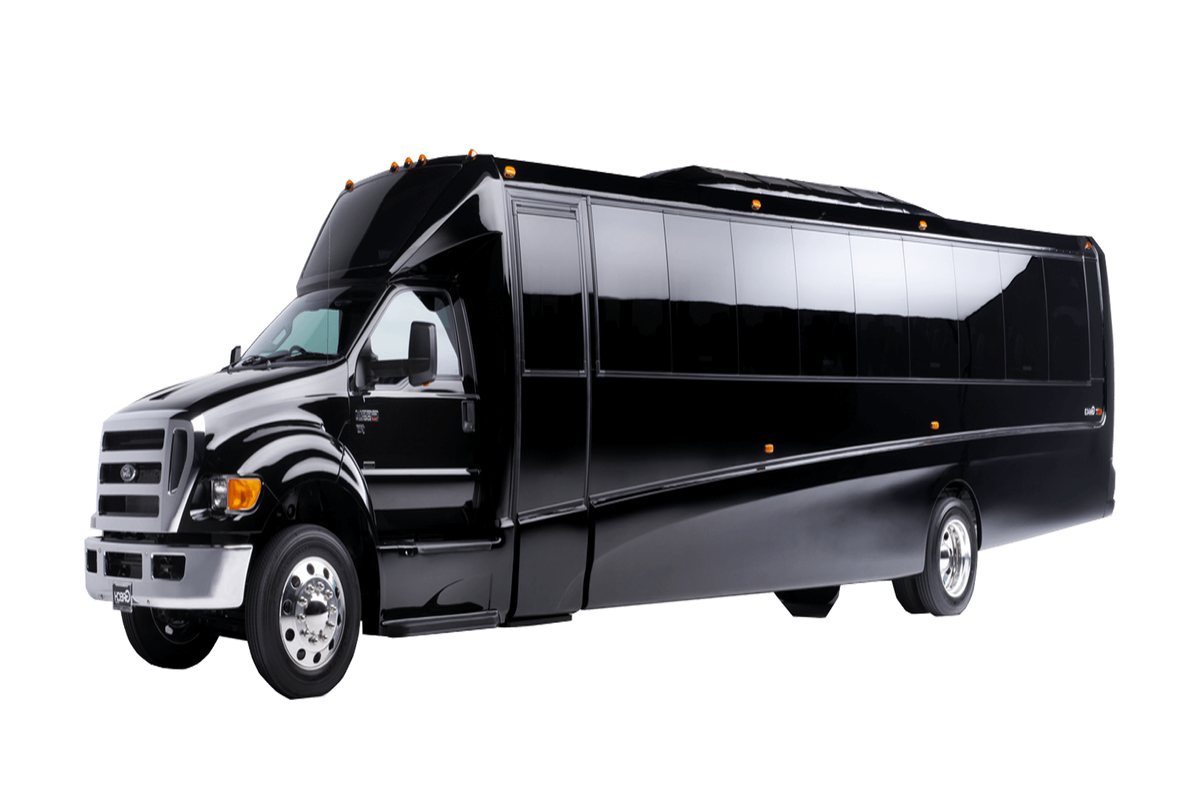
They should, and you should ask. Stretch limousines, party buses and coaches on our bookings are partner vehicles from vetted operators in the LimousineWorldwide.Directory network, contracted to a published standard that covers licensing, commercial passenger insurance, vehicle age and inspection. Partner vehicles are no more than four model years old, and seven for Rolls-Royce, Maybach and Bentley, with the vehicle details sent in writing before the date.
The right question for any operator using partners is the same as for its own fleet: who owns the vehicle, who insures it and whose licence is it under? Our stretch limo capacity guide explains why larger vehicles raise the question.
Do airports and venues add their own rules?
Often. Airports run their own ground-transportation arrangements, and Toronto Pearson publishes them on its transportation page; venues and festivals set pickup points. The fare we quote includes curbside pickup at the terminal's commercial pickup area, and meet and greet inside arrivals is an optional add-on.
The question for any operator is whether it is set up to pick up at the airport you are using, and where the car will stop. It is a practical question as much as a legal one: a car that cannot reach the pickup area is a missed flight.
What if the trip leaves Ontario?
Ask specifically whether the licence and insurance extend to a trip that crosses the border. Our border runs to Buffalo, Niagara Falls, New York and Detroit can be arranged with a NEXUS-holding chauffeur on request, and passengers carry their own documents; the Canada Border Services Agency publishes the current requirements.
Do not assume that cover written for Ontario roads follows the car into another country. A good operator can tell you the answer and, if it matters to you, put it in writing before the date.
Which warning signs matter most?
- The operator cannot say which licence or regime covers the vehicle.
- A refusal, or a delay of days, in sending a certificate of insurance.
- A certificate that names a different company from the one on your confirmation.
- A certificate that expired before your trip.
- A promise that the paperwork is fine, with nothing in writing.
A hurried answer is not a warning on its own. A series of vague ones is.
How should a corporate planner document this?
Collect the certificate and the licence details once, note the expiry date and file them with the supplier record. Ask for a fresh certificate when the old one lapses, and ask whether anything has changed in the fleet. For recurring travel, a standing account with one operator makes this a once-a-year task rather than a trip-by-trip one.
The corporate page explains how accounts work, and the travel desk can pair ground transport with flights and hotels on the same file.
Does compliance affect the price?
Yes, and honestly. Licences, commercial insurance, twice-yearly inspections and screened drivers cost money, and a fare that reflects them will not match one that does not. We do not name or compare other companies, and we do not claim any quote is non-compliant. We suggest you ask what a very low quote leaves out.
For orientation, our planning ranges from downtown Barrie, one way, business sedan: Pearson $380–440 for about 97 km and 60–85 minutes, and an hourly chauffeur $135–160 per hour with a three-hour minimum. See the rates page.
How does BarrieLimo.net approach it?
Every vehicle on a BarrieLimo.net booking, ours or a partner's, carries commercial passenger insurance, and our chauffeurs hold the Ontario licence class for the vehicle assigned. Membership of LimousineWorldwide.Directory and LimousineAssociation.International commits us, and every affiliate, to written standards on licensing, insurance, vehicle age and inspection, and chauffeur screening.
Ask us the questions in this guide as you would ask anyone else. Dispatch can answer them, and the answers belong in writing before you pay.